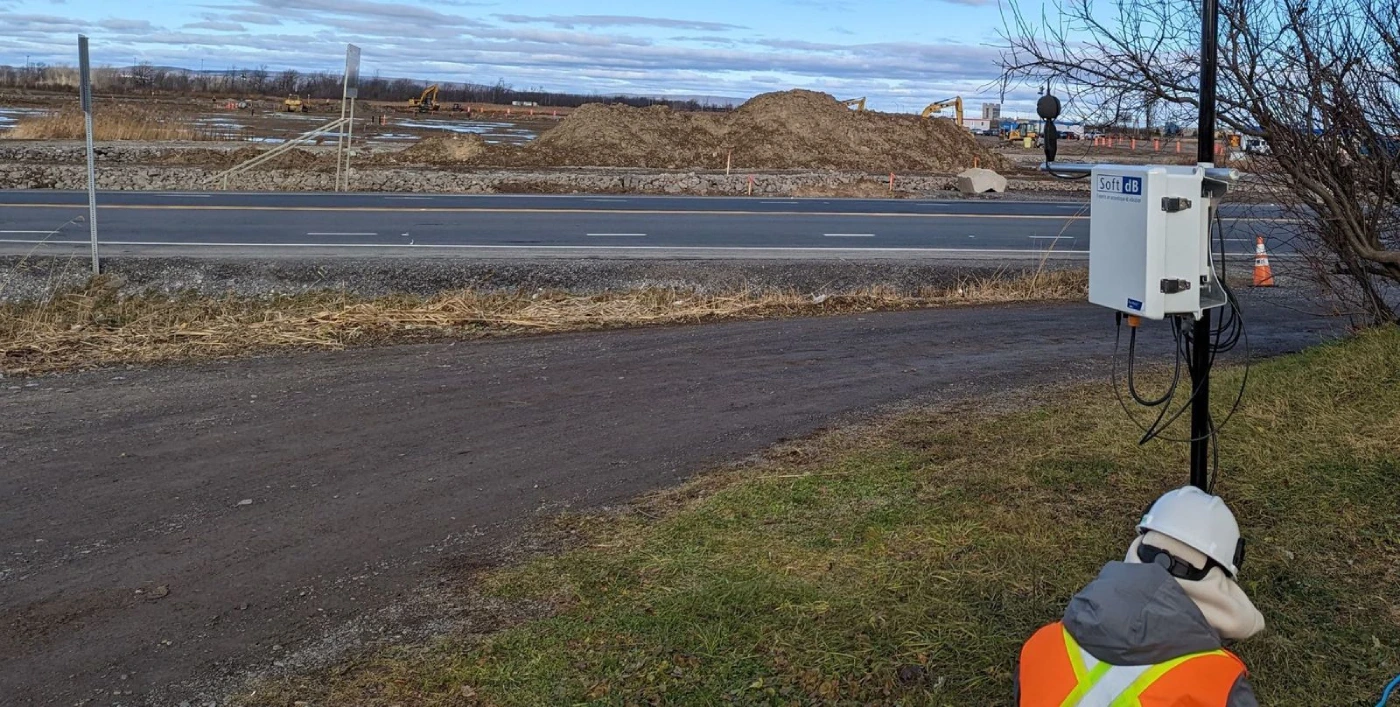








Vibration management involves measuring, assessing, and controlling ground or structural vibrations generated by construction, remediation, or industrial activities. In Australia, it’s essential for compliance with environmental and planning regulations—protecting nearby buildings, infrastructure, and communities from damage or nuisance.
Vibration management is the process of monitoring, assessing, and mitigating vibration levels from site activities (such as piling, compaction, demolition, or blasting) to ensure they remain within regulatory and project-specific limits. It combines technical monitoring, predictive modelling, and control measures to safeguard structures, human comfort, and environmental compliance.
Vibration management is a critical component of environmental and construction compliance because uncontrolled vibration can cause both physical damage and community disturbance.
Ground vibrations from construction, compaction, demolition or tunnelling can damage nearby buildings, retaining walls, utilities, and sensitive assets such as heritage structures or instrumentation. Monitoring ensures vibration remains below damage thresholds set by Australian Standards.
Excessive vibration causes annoyance, sleep disturbance and reduced workplace comfort for nearby residents or occupants. Managing vibration maintains good stakeholder relations and compliance with occupational health and safety requirements.
Most large projects and remediation works in Australia must demonstrate vibration control as part of Environmental Management Plans (EMP) or Construction Environmental Management Plans (CEMP). State planning authorities and EPAs set out vibration criteria in environmental licences, approvals and project conditions. Vibration monitoring data provides evidence that works comply with those limits, preventing regulatory breaches or stop-work notices.
Vibration rarely occurs in isolation—it’s often linked with noise, air quality, and ground movement impacts. Effective vibration management supports broader environmental compliance, aligning with frameworks such as the Environmental Planning and Assessment Act 1979 (NSW) and Environment Protection Act 2017 (VIC).
At Nova Group Pacific, we design and implement tailored vibration management solutions that help clients comply with environmental regulations and protect both assets and community amenity.
Our vibration management services include:
Contact Nova Group Pacific to ensure your project’s vibration management approach is compliant, defensible and aligned with environmental best practice.
Whether you need site assessment, remediation, or environmental consulting, our expert team is here to guide your project from planning to completion with precision and care.
Whether you're early-stage or ready to build, this tool helps you work out what reports you need — and how to bundle them into a single site visit.
Fast. Free. Custom to your stage.


We provide sustainable contaminated land, remediation, and geotechnical consulting services across Australia.



.jpeg)