








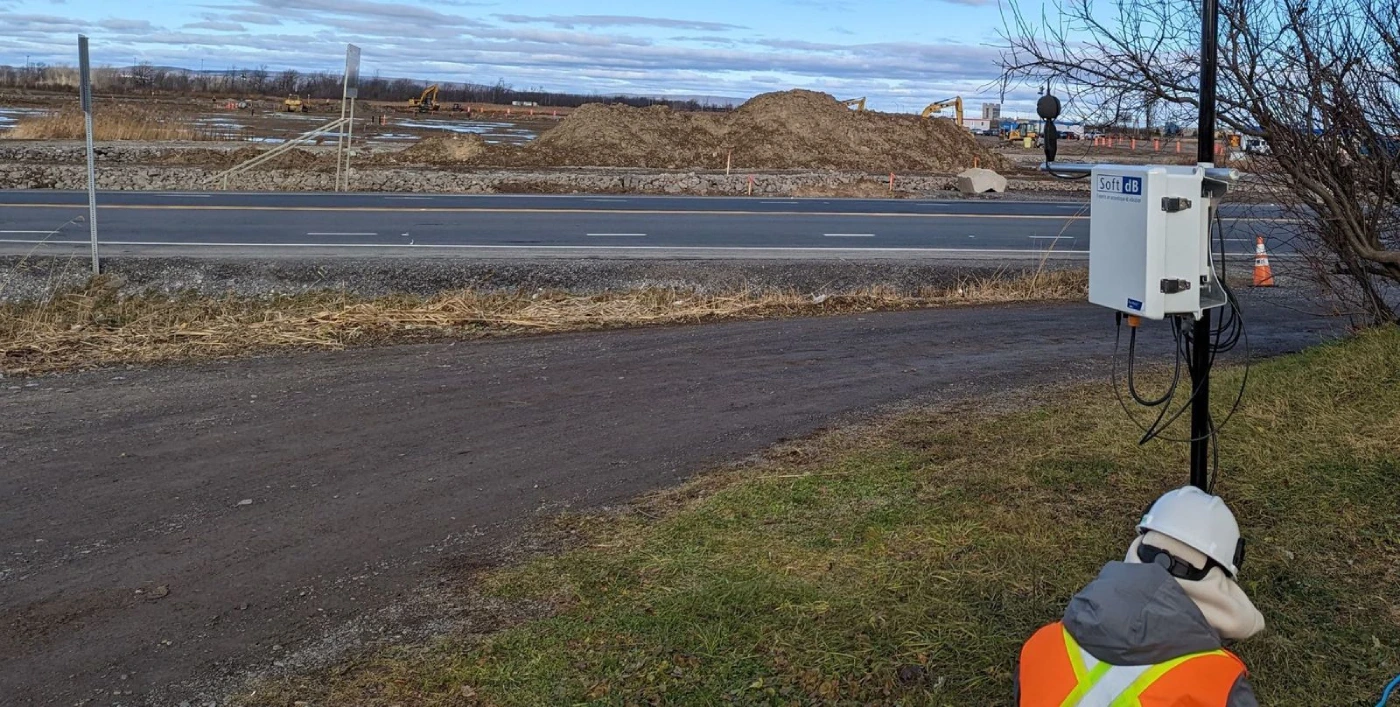
Construction activity near heritage-listed and sensitive structures requires more than just careful planning—it demands precision monitoring. One of the most effective risk mitigation strategies is vibration monitoring, which helps safeguard fragile assets from damage caused by piling, excavation, or heavy vehicle movement.
Whether you’re delivering infrastructure upgrades, infill developments, or remediation works near older or delicate structures, understanding how vibration affects buildings—and how to control it—is key to staying compliant, reducing liability, and maintaining project momentum.
Explore Nova Group Pacific Vibration Monitoring Services
Why Is Vibration Monitoring Essential for Heritage and Sensitive Structures?
Heritage buildings—particularly those constructed from materials like sandstone, lime mortar, or aged brick—are far more vulnerable to vibration-related damage than newer concrete structures. Even low-level ground vibrations can lead to:
- Cracking of internal or external walls
- Damage to decorative finishes or plasterwork
- Destabilisation of foundations or retaining walls
- Compromised structural integrity
Sensitive structures like schools, hospitals, galleries, and public infrastructure (e.g., tunnels, culverts) also require additional protection, especially where continuous operation or high occupancy is involved.
Vibration monitoring serves as a proactive measure to detect and manage vibration levels in real time, helping contractors respond before any thresholds are exceeded or damage occurs.
What Are Safe Vibration Limits and How Are They Determined?
Safe vibration limits are guided by standards such as DIN 4150-3, which outlines threshold values for ground vibrations affecting buildings based on their construction type and sensitivity.
Typical thresholds include:
- 2–5 mm/s PPV for heritage and very sensitive structures
- 5–10 mm/s PPV for general buildings like residences and commercial properties
- >10 mm/s PPV for industrial structures with robust foundations
These thresholds refer to Peak Particle Velocity (PPV), which measures how quickly the ground moves during a vibration event. A vibration monitoring system detects and logs these values in real-time, triggering alerts if the limit is breached.
Thresholds are customised per site based on pre-construction building condition assessments, material types, proximity to works, and construction method.
What Are the Risks of Skipping Vibration Monitoring?
Without vibration monitoring, you face a range of costly risks:
- Structural damage claims from property owners
- Insurance complications due to lack of baseline data
- Delays in approvals or site shutdowns from regulatory bodies
- Negative community or media attention around damage to heritage assets
In some cases, this could result in works being halted until independent assessments are completed. Having robust vibration data helps resolve disputes swiftly and defends your construction methodology with evidence.


