







What Is the Difference Between Greenfield and Brownfield Sites? (Quick Answer)
When choosing where to build, most developers end up comparing greenfield and brownfield sites.
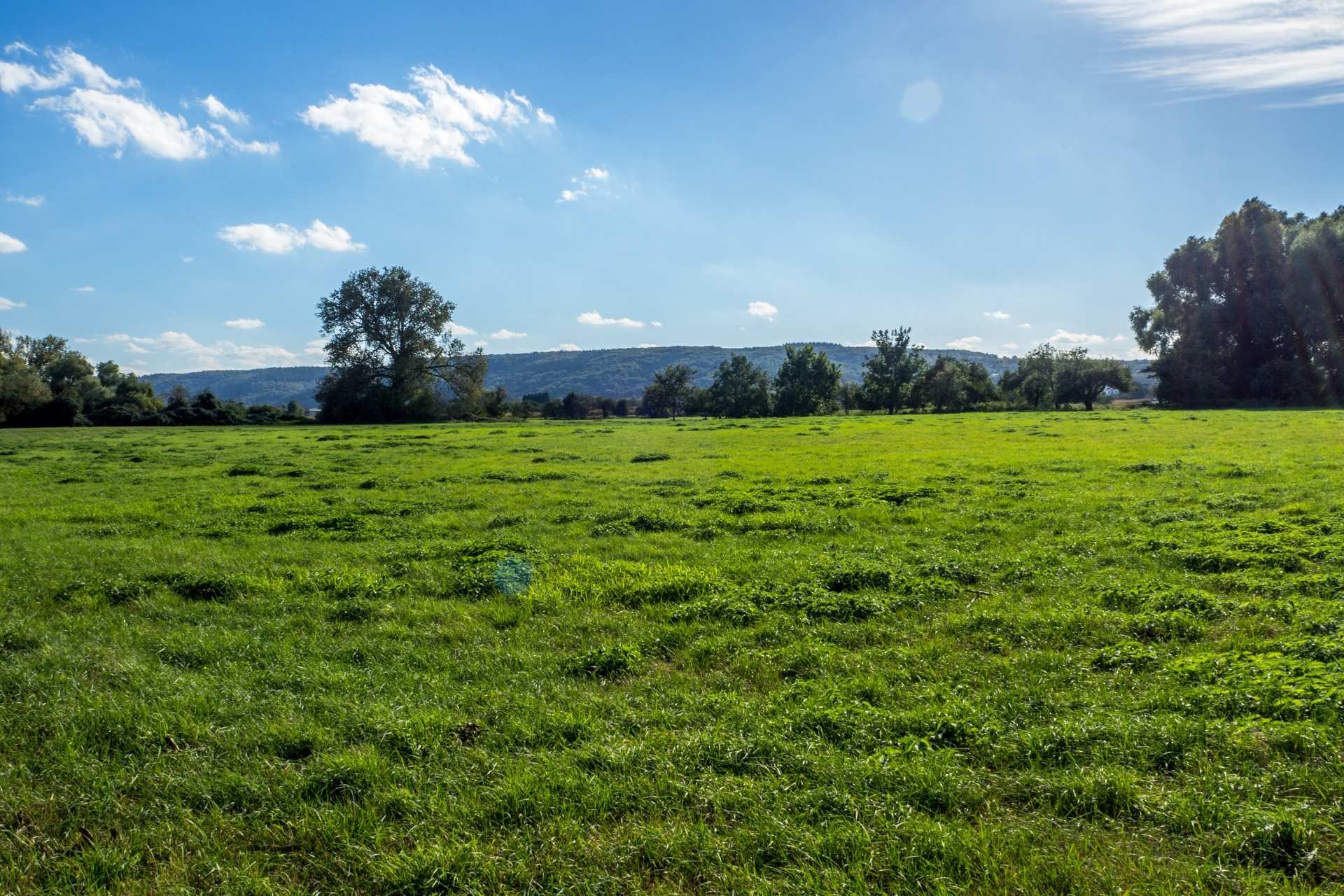
A greenfield site is land that hasn’t been developed before. Think city fringes or growth corridors.
A brownfield site has been used in the past. It might be an old factory, warehouse, or service station, and it may come with contamination risks.
In simple terms, greenfields give you a clean slate but need new infrastructure. Brownfields are well located but can come with hidden issues.
The right choice comes down to cost, risk, and timing.
What Is a Greenfield Site in Australia?
Definition and typical locations
Greenfield sites are undeveloped land. You’ll usually find them on the edges of cities or in regional growth areas.
They offer a blank canvas. No existing buildings. No legacy contamination.
Common greenfield development types
These sites are often used for large-scale projects.
Think housing estates, industrial parks, or transport hubs.
They work well when you need space and flexibility.
Key advantages of greenfield development
- Design freedom: You can plan everything from scratch.
- Cleaner starting point: Lower risk of contamination.
- More predictable costs: Once constraints are understood, costs are easier to plan.
Key risks and constraints
- Infrastructure costs: You’ll need to build roads, utilities, and services.
- Planning overlays: Flood, bushfire, or environmental rules can limit development.
- Location challenges: They’re often far from jobs and services.
- Approvals: Rezoning and planning can take time.
What Is a Brownfield Site? Definition, Contamination and Redevelopment
Definition under Australian frameworks
Brownfield sites have been used before. They may be vacant or underused.
Some carry contamination. Others just have perceived risk.
They play a big role in urban infill and redevelopment.
Types of brownfield sites
Common examples include:
- Old factories
- Service stations
- Rail yards
- Warehouses
- Abandoned retail sites
Why brownfield redevelopment matters
Reusing land in existing areas reduces urban sprawl. It also makes better use of infrastructure and brings life back to older areas.
Common risks
- Contamination: Possible presence of hazardous materials.
- Unknown ground conditions: Buried tanks or unstable fill can be an issue.
- Demolition requirements: Older buildings may contain asbestos or lead.
- Complex approvals: More reports, more stakeholders, more time.
Greenfield vs Brownfield Sites: Key Differences Comparison
Here’s how they compare:
Cost
- Greenfields need infrastructure.
- Brownfields may need remediation.
Risk
- Greenfields have planning and servicing risks.
- Brownfields have contamination and legacy risks.
Location
- Greenfields are on the outskirts.
- Brownfields are usually central.
Infrastructure
- Greenfields start from scratch.
- Brownfields already have services nearby.
Environmental impact
- Greenfields affect natural land.
- Brownfields reuse existing land.
Approvals
- Greenfields often need rezoning.
- Brownfields need environmental clearance.
Greenfield vs Brownfield Cost Comparison: Infrastructure vs Remediation
Greenfield costs
You’ll need to fund roads, utilities, and earthworks.
Costs are high upfront, but easier to predict once the site is understood.
Brownfield costs
You may save on purchase price.
But you’ll likely spend on investigations, demolition, and cleanup.
Cost certainty vs hidden risks
Greenfields are more predictable.
Brownfields can surprise you.
Long-term value
Brownfields often perform well due to location.
Greenfields can grow in value, especially in high-growth corridors.
Environmental Impact of Greenfield vs Brownfield Development
Loss of green space
Greenfield development can reduce biodiversity and increase sprawl.
Contamination risks
Brownfields may pose environmental and health risks if not managed properly.
Sustainability considerations
Reusing land is generally more sustainable.
Brownfields often align better with ESG goals.
Government policy
There’s growing support for brownfield redevelopment across Australia.
Brownfield Remediation in Australia: Process, Risks and Regulations
What is contamination?
Contamination happens when soil or groundwater contains harmful substances.
Remediation is required when there’s a risk to people or the environment.
Regulatory framework
Australia follows a national framework for assessing and managing contaminated land.
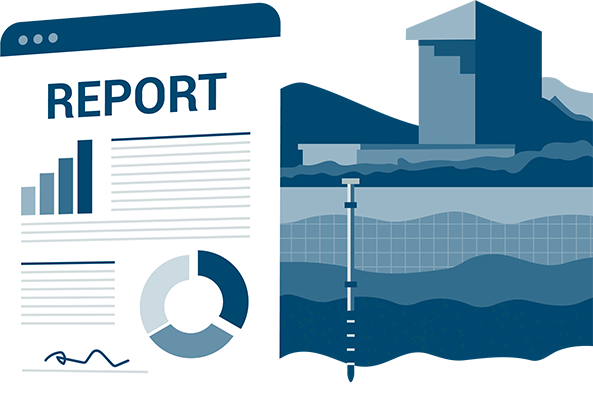
Site assessments
- Phase 1: Desktop review and site history.
- Phase 2: Sampling and testing.
Common remediation methods
- Excavation and disposal
- In-place treatment
- Containment or capping
- Soil washing
- Natural processes with monitoring
Timeframes and costs
These vary widely. They depend on contamination type, site conditions, and chosen method.
Air Quality Risks in Construction and Remediation Projects
Airborne contaminants
Excavation can release VOCs and fine particles. These can affect both workers and nearby communities.
Health risks
Exposure can lead to respiratory issues and other health problems.
Monitoring requirements
Air quality must be monitored to meet Australian standards.
Managing dust and emissions
Common controls include:
- Water spraying
- Dust suppressants
- Covering stockpiles
- Limiting vehicle movement
Real-time monitoring helps keep things under control.
Geotechnical Considerations: Soil Conditions, Stability and Site Constraints
Soil conditions
Greenfields can vary but are generally more predictable. Brownfields often contain mixed or uncontrolled fill.
Ground risks in brownfields
You may deal with contamination, weak soils, or buried materials.
Risks in greenfield sites
Slope, groundwater, and settlement need careful management.
Site investigations
Combining geotechnical and environmental studies gives a clearer picture early.
Planning Approvals and Zoning: Greenfield vs Brownfield in Australia
Approval pathways differ: Greenfield sites often need rezoning and full planning approvals. Brownfields may already be zoned but need environmental clearance.
Community concerns can affect both.
Pros and Cons of Greenfield vs Brownfield Development
Greenfield pros
- Flexible design
- Cleaner conditions
- More predictable costs
Greenfield cons
- High infrastructure costs
- Longer approvals
- Environmental impact
Brownfield pros
- Better location
- Existing infrastructure
- Supports urban renewal
Brownfield cons
- Contamination risk
- Unknown conditions
- Potential delays
When Should You Choose a Greenfield vs Brownfield Site?
Best use cases for greenfields
- Large projects
- Staged developments
- Logistics or industrial hubs
Best use cases for brownfields
- Urban infill
- Mixed-use developments
- Projects needing strong location access
Risk and strategy
If you want predictability, greenfields are often easier.
If you can manage complexity, brownfields can offer strong upside.
Step-by-Step Site Assessment Checklist for Developers
- Review site history
- Check infrastructure access
- Identify planning constraints
- Estimate total costs
- Make a clear go or no-go decision
Bring in experts early. It saves time later.
Real-World Examples of Greenfield and Brownfield Developments
Greenfield sites example
Large housing estates on the outskirts of major cities.
These require significant planning and infrastructure investment.
Brownfield sites example
Urban renewal projects like old industrial areas turned into mixed-use precincts.
These show what’s possible with proper remediation and planning.
Common Mistakes When Choosing Between Greenfield and Brownfield Sites
- Underestimating remediation costs.
- Assuming approvals will be simple.
- Ignoring long-term costs.
- Not planning for future expansion.
Most of these issues come down to gaps in early planning and site understanding.
Conclusion
Choosing between greenfield and brownfield isn’t straightforward. Each comes with different risks, costs, and delivery challenges.
The earlier you understand those risks, the better your decisions will be.
If you’re assessing a site or weighing up options, it’s worth getting a clear view early. That means looking at contamination risk, ground conditions, approvals, and realistic delivery costs.
If you want a second opinion or need help working through a site, book a consultation with our experts. We can help you identify risks early and make a more confident call before you commit.