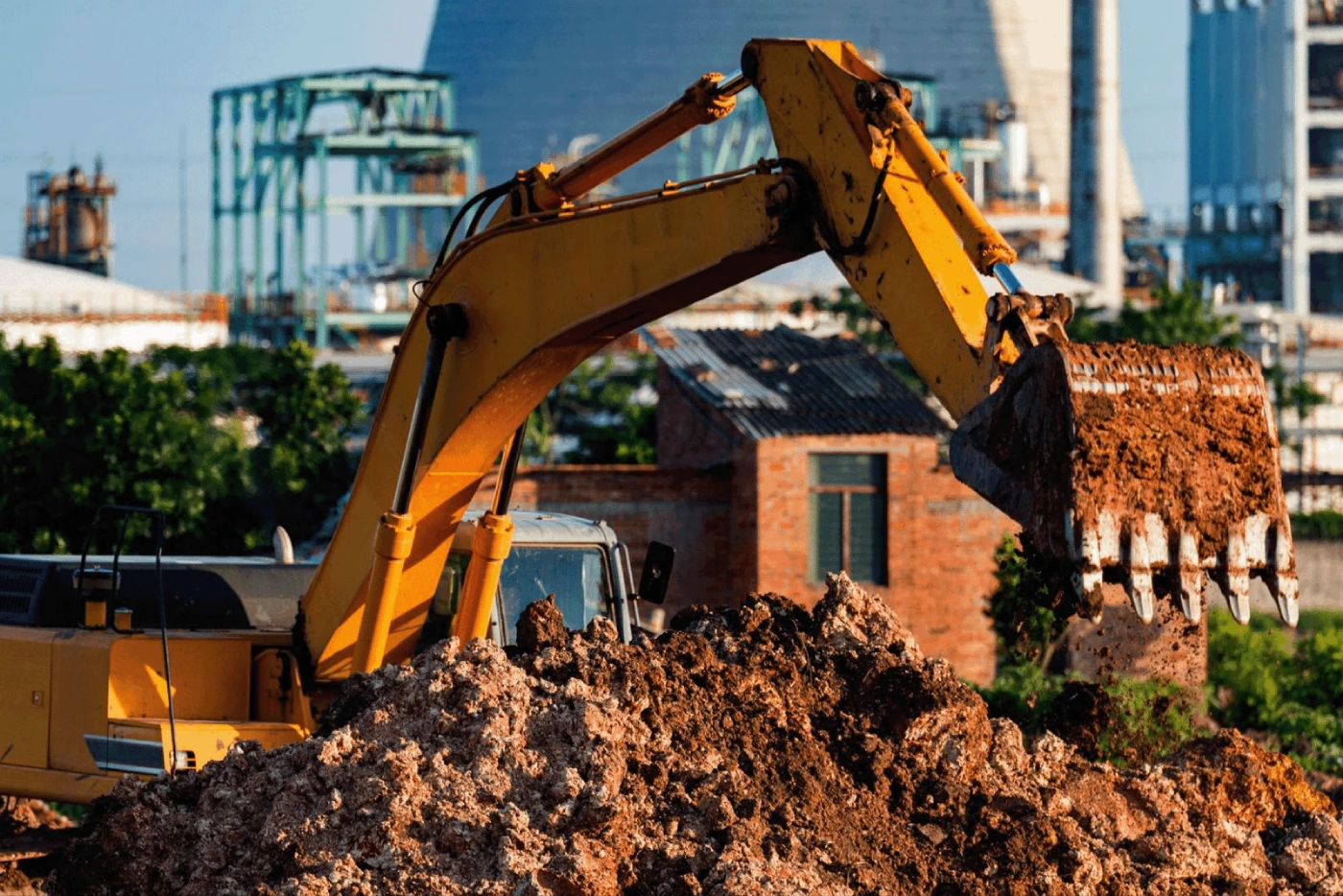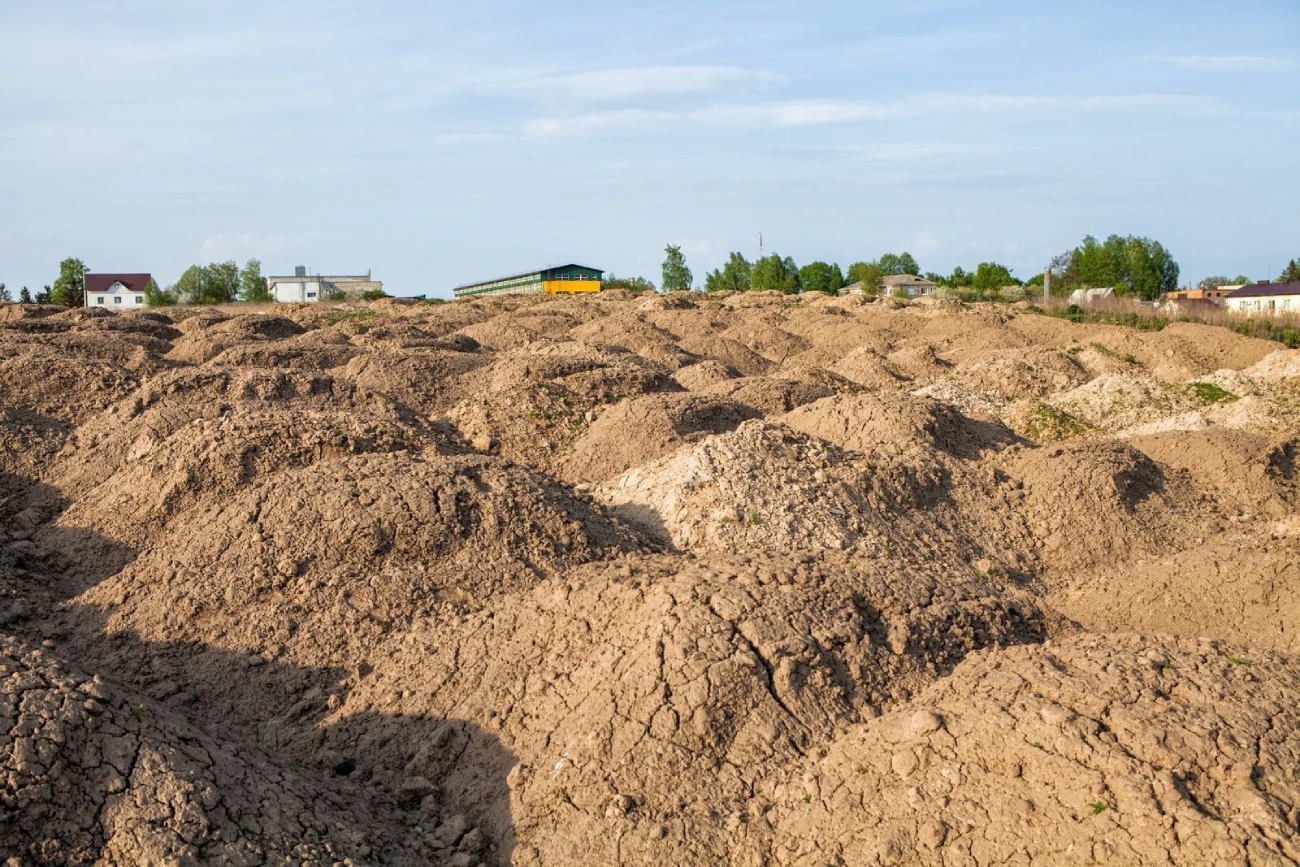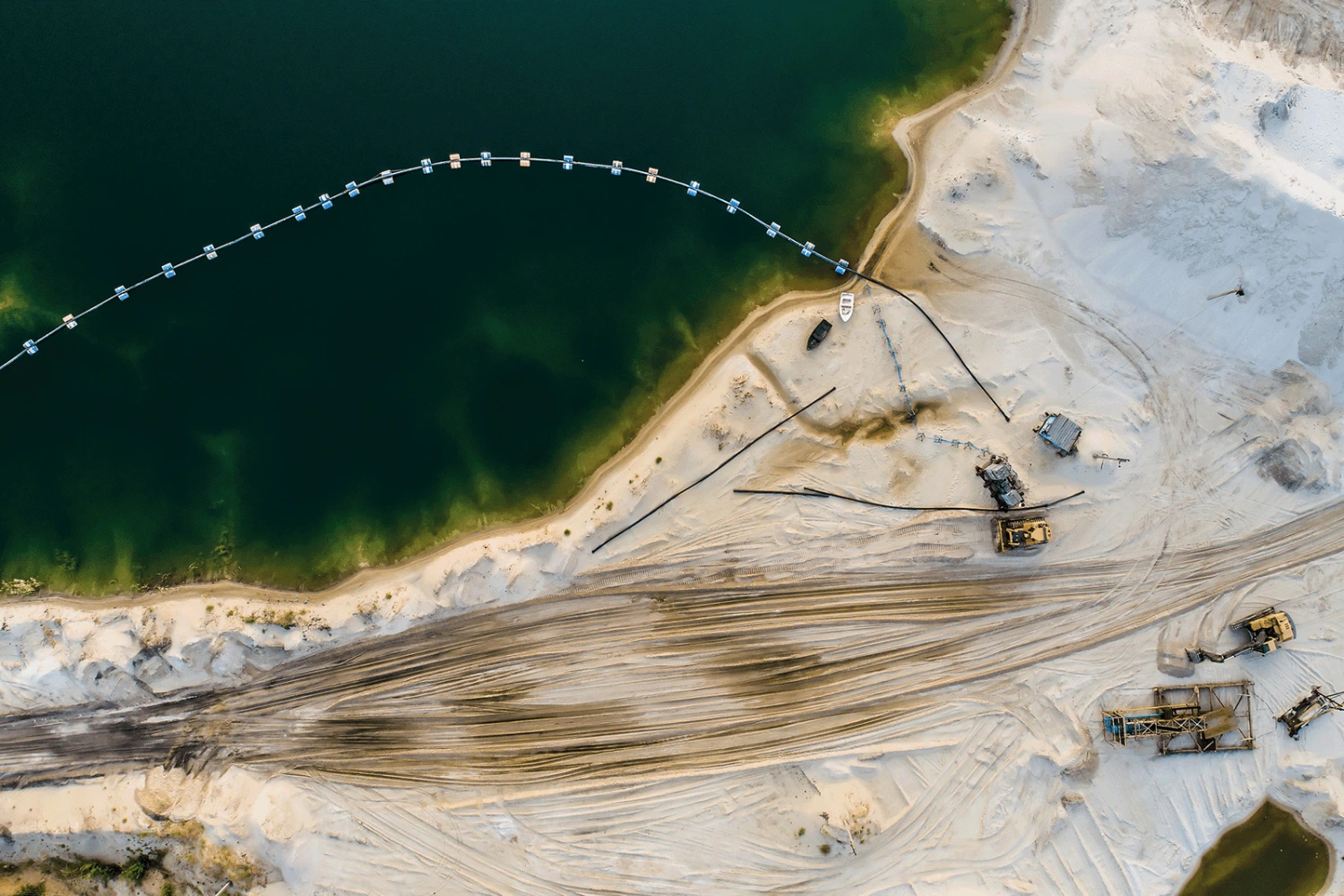





Site remediation refers to the processes used to remove, reduce, contain, or manage contamination in soil, groundwater, and other environmental media. It enables land to be made safe, compliant, and suitable for its intended future use—whether redevelopment, construction, or ongoing operations.
Site remediation is the implementation of physical, chemical, biological, or engineering methods to address contamination and reduce environmental or human health risks to acceptable levels. Remediation may involve removal, treatment, containment, or management measures and must align with relevant legislation, guidelines, and regulatory expectations.
Site remediation is a cornerstone of contaminated land management in Australia. Poorly managed contamination can harm people, damage ecosystems, affect groundwater resources, and delay or stop development projects.
Effective remediation ensures:
Remediation strategies are informed by risk assessment, hydrogeology, waste classification, engineering design, and stakeholder expectations. Common regulatory frameworks influencing remediation include:
Site remediation is required whenever contamination exceeds guideline levels or poses a risk to human health, the environment, or proposed land uses. Typical triggers include:
When contamination is confirmed through soil, groundwater, soil vapour, or sediment sampling.
Rezoning, construction, and development approvals often require remediation before works can proceed.
Regulators may mandate remediation following spills, illegal dumping, or historical contamination.
Discovery of contaminated soil, asbestos, odorous material, or impacted groundwater can trigger immediate remediation requirements.
Hydrocarbon plumes, PFAS, heavy metals, or other contaminants may require groundwater treatment, long-term monitoring, or containment.
Large or high-risk projects may require remediation as part of their environmental impact mitigation commitments.
Childcare centres, schools, residential developments, and open space land uses require higher standards of site suitability.
Nova Group Pacific delivers comprehensive remediation services that integrate environmental science, hydrogeology, engineering, and regulatory expertise.
Our remediation capabilities include:
Common remediation methods we implement or design include:
Explore related topics that support site remediation understanding and regulatory compliance:
Whether you need site assessment, remediation, or environmental consulting, our expert team is here to guide your project from planning to completion with precision and care.
Whether you're early-stage or ready to build, this tool helps you work out what reports you need — and how to bundle them into a single site visit.
Fast. Free. Custom to your stage.


We provide sustainable contaminated land, remediation, and geotechnical consulting services across Australia.