Summary
Volatile organic compounds (VOCs) are carbon-based chemicals that readily evaporate at ambient conditions and can migrate through air, soil and groundwater. In the context of Australian environmental consulting, land remediation and compliance, VOCs are significant contaminants that require careful investigation, monitoring and management to meet approval and remediation objectives.
Definition
Volatile organic compounds (VOCs) are organic chemical compounds with a vapour pressure greater than 0.01 kPa at 20 °C that participate in atmospheric photochemical reactions. In practical terms for environmental site work, VOCs include solvents, fuels, chlorinated hydrocarbons, aromatic compounds and other semi-volatile or volatile chemicals which may persist or migrate in soil, vapour or groundwater pathways.
Why It Matters
In the Australian environmental consulting, remediation and compliance space, VOCs are important due to the following:
- Contaminant mobility and vapour intrusion risk — VOCs can move from soil or groundwater into the vapour phase and migrate into indoor air, presenting risks to human health and requiring investigation through vapour intrusion assessment.
- Regulatory and environmental risk — VOCs may exceed screening or guideline values for groundwater, soil or air and accordingly trigger remediation, monitoring or validation requirements under frameworks like the National Environment Protection (Assessment of Site Contamination) Measure (NEPM 2013) or state EPA guidance.
- Link to site assessment and remediation — For sites with historical industrial use, fuel storage, chemical use or fill of unknown provenance, the presence of VOCs often drives the need for a detailed environmental investigation, soil and waste classification and groundwater monitoring.
- Human health and workplace safety — Some VOCs are toxic, carcinogenic or irritating; they may enter the body via inhalation, dermal contact or ingestion.
- Approval and redevelopment implications — Redevelopment of sites known or suspected to have VOC contamination may face risks of exposure, remedial cost escalation or refusal of consent if VOC pathways (soil-vapour, groundwater) are not managed.
By understanding VOCs early in project planning, environmental professionals, developers and regulators can design appropriate investigation programmes, control measures and compliance documentation.
When It’s Required
Project-triggers
- Historical industrial or chemical use — Sites with solvent-using facilities (dry-cleaners, chemical plants, printing works), fuel/oil storage, degreasing operations or buried fill may have VOC contamination warranting investigation.
- Groundwater or soil vapour concerns — When groundwater is impacted or vapour intrusion into buildings is possible, VOC sampling, monitoring and management are required.
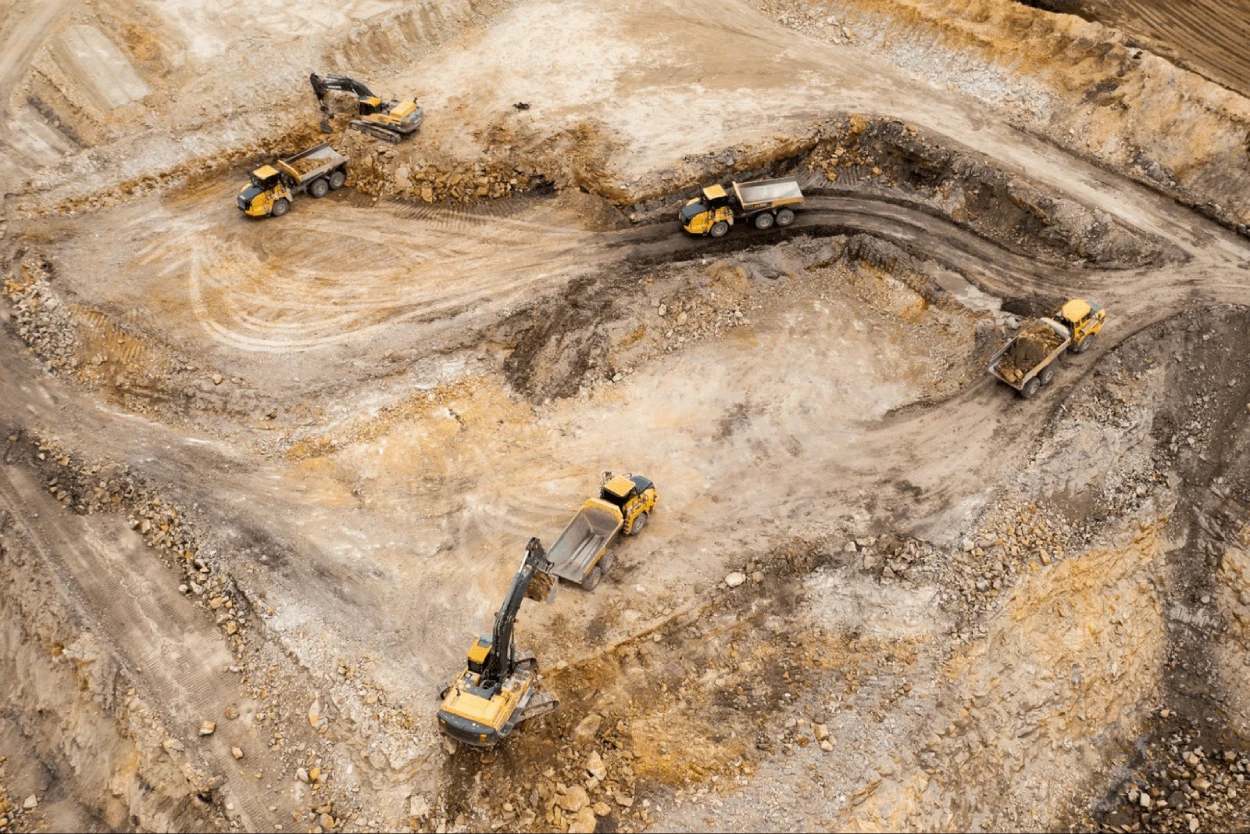
- Excavation or earthworks — Excavation of fill or contaminated soils that may contain VOCs requires classification, management and possibly off-site disposal.
- Development & change-of-use applications — When land use changes (for example from industrial to residential) and there is past VOC risk, approvals may require proof of no unacceptable VOC risks or ongoing monitoring.
- Approval conditions — Environmental licences, remediation plans or development consents may mandate VOC monitoring or validation after remedial works.
Regulatory & guideline context
- The Federal National Pollutant Inventory (NPI) defines Total VOCs (TVOCs) for reporting under the NPI threshold.
- State EPAs provide guidance on soil vapour intrusion, groundwater VOC screening and assessment—aligned with the NEPM 2013.
- Investigation standards require validated sampling and analytical methods to detect VOCs at relevant low concentrations.
How We Can Help
At Nova Group Pacific, our environmental consulting services include VOC-capable workflows integrated into our land remediation and compliance offerings:
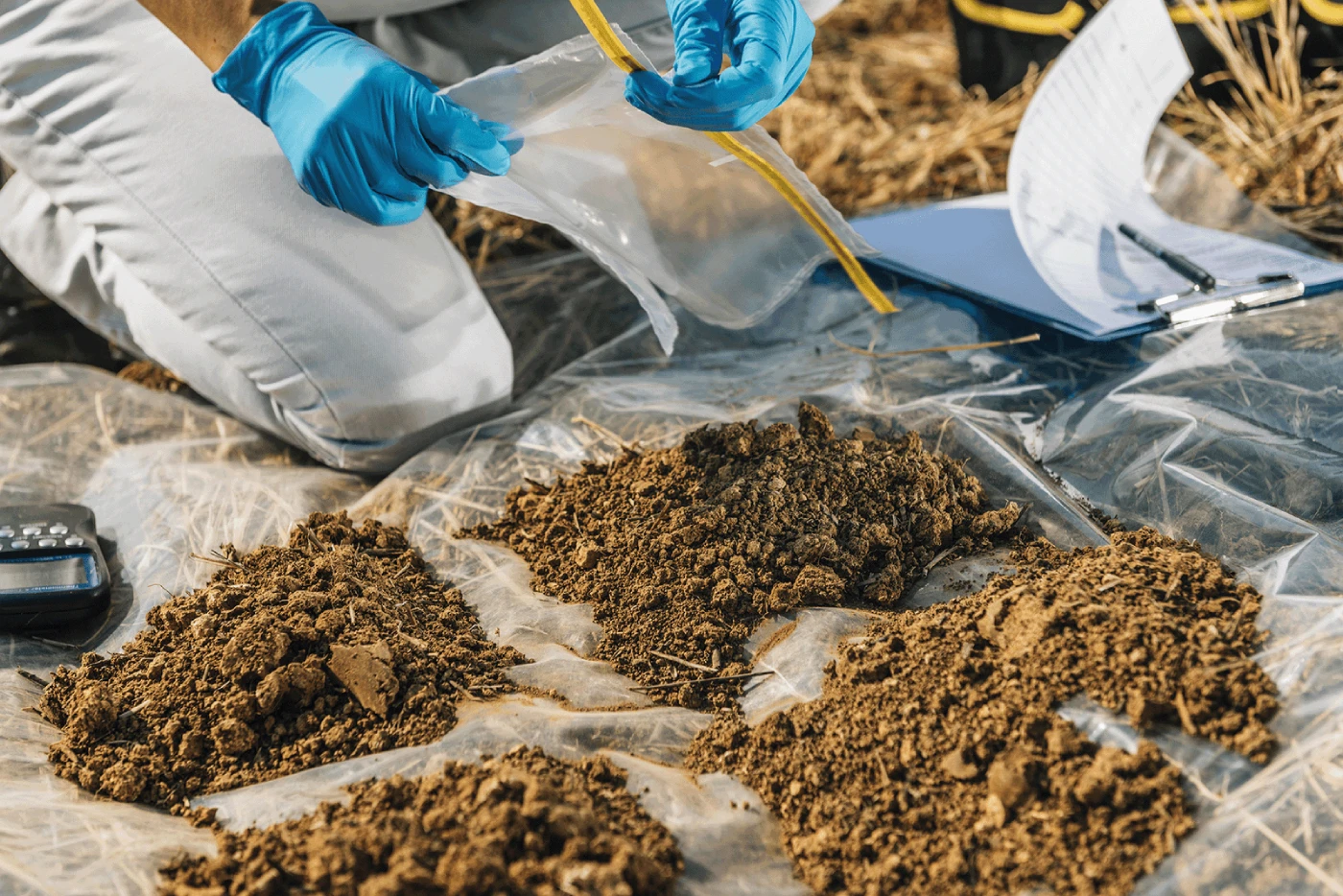
- VOC investigation programmes – We design and execute soil, groundwater and vapour sampling campaigns that target VOC pathways and align with regulatory requirements.
- Analytical liaison and interpretation – We coordinate with NATA-accredited laboratories for VOC suites, interpret results relative to guideline values and integrate findings into site conceptual models.
- Remediation and management strategy – If VOCs are identified, we support remedial design (soil excavation, vapour mitigation, groundwater treatment) and link into our remediation services.
- Compliance documentation and approvals – We prepare reporting to satisfy regulators, certifiers and stakeholders, including validation of controls or monitoring strategies.
Contact our team today to ensure your project’s VOC pathways are assessed, managed and documented — reducing risk and improving approval outcomes.
Related Terms and Concepts
- Soil & Waste Classification – Classification of excavated materials containing VOCs for reuse or disposal.
- Groundwater Monitoring Well – Monitoring infrastructure often needed where VOCs migrate in groundwater.
- Environmental Site Assessment (ESA) – The investigation process that may identify VOC contamination and drive further assessment work.
- Remediation Action Plan (RAP) – The strategic plan for managing VOC-impacted soil, groundwater or vapour.
- Validation Report – Prepared after remediation or controls are implemented to confirm VOC-related objectives have been met.
- Dust & Air Monitoring – Some VOCs may volatilise into air; monitoring may be required in works involving soil or vapour pathways.
- Indoor Air Quality (IAQ) – Defines the condition of air within buildings and its potential impact on human health, comfort, and regulatory compliance.









.jpeg)