








Introduction
Whether you’re developing a site or preparing for acquisition, understanding soil health is critical. Soil contamination testing helps identify potential risks, supports regulatory compliance, and informs safe site management.
This article answers five commonly asked questions about soil testing during Preliminary and Detailed Site Investigations.
What Is Soil Contamination Testing?
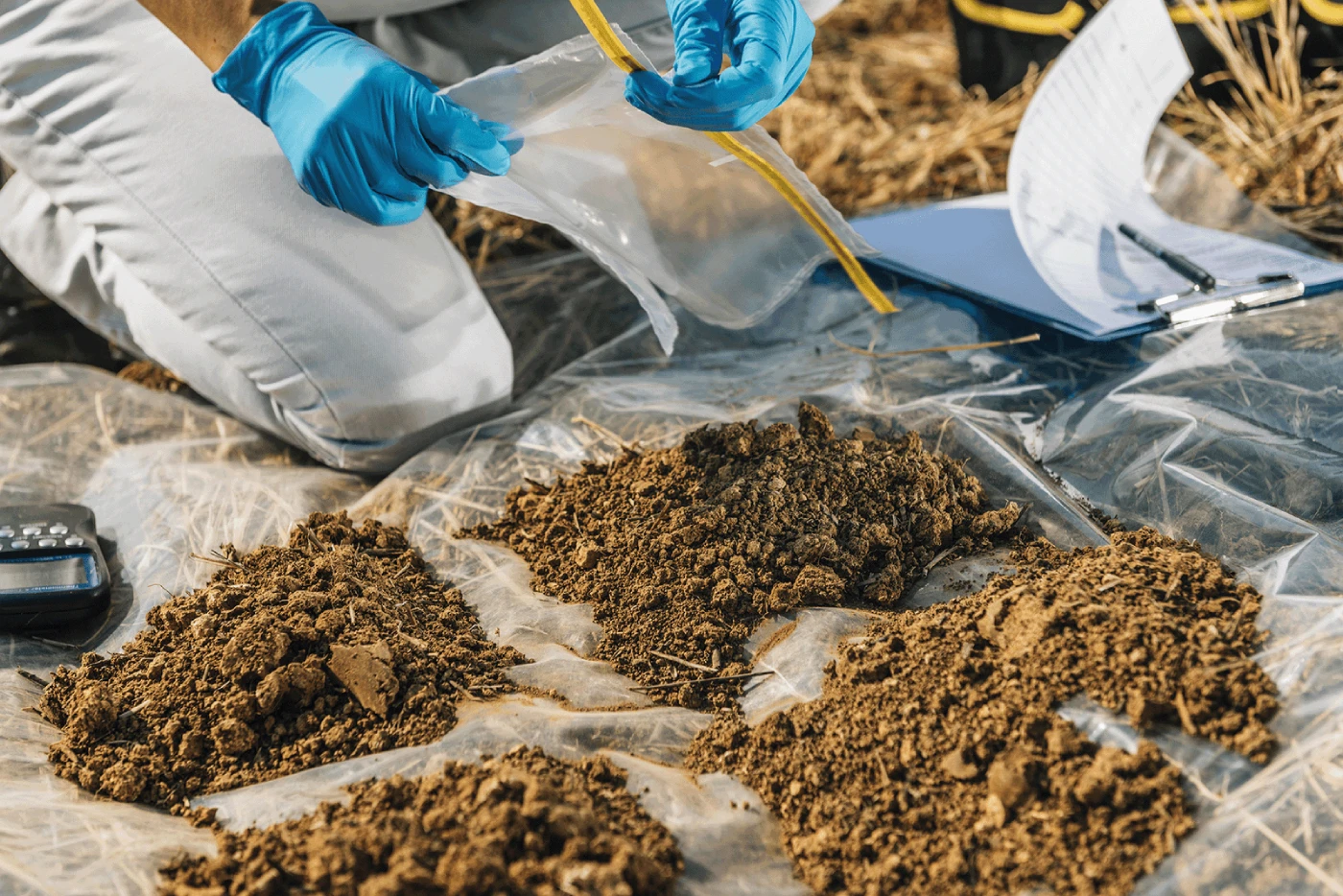
Soil contamination testing involves collecting and analysing soil samples to detect the presence of pollutants such as heavy metals, hydrocarbons, pesticides, asbestos, or industrial chemicals.
This process is a cornerstone of environmental due diligence, particularly for sites with past industrial, agricultural, or commercial use. The goal is to determine whether the soil poses risks to human health or the environment – and whether remediation is required.
When Is Soil Testing Required in a Site Investigation?
Soil testing is a mandatory component of both Preliminary Site Investigations (PSI) and Detailed Site Investigations (DSI) under NSW EPA guidelines and the National Environment Protection (Assessment of Site Contamination) Measure 1999 (NEPM).
- During a PSI: Historical data, site walkovers, and desktop studies may indicate a need for soil sampling if potential contamination is suspected.
- During a DSI: Soil sampling is conducted to quantify contamination and assess its distribution and potential impact on receptors like groundwater or human users.
Soil testing is often required before land rezoning, development approvals, or transfers of potentially contaminated land.
How Is Soil Testing Carried Out?
Soil testing typically follows a systematic, phased approach:
- Site history and desktop review – to identify possible contamination sources
- Sampling design – mapping out where and how many samples are required
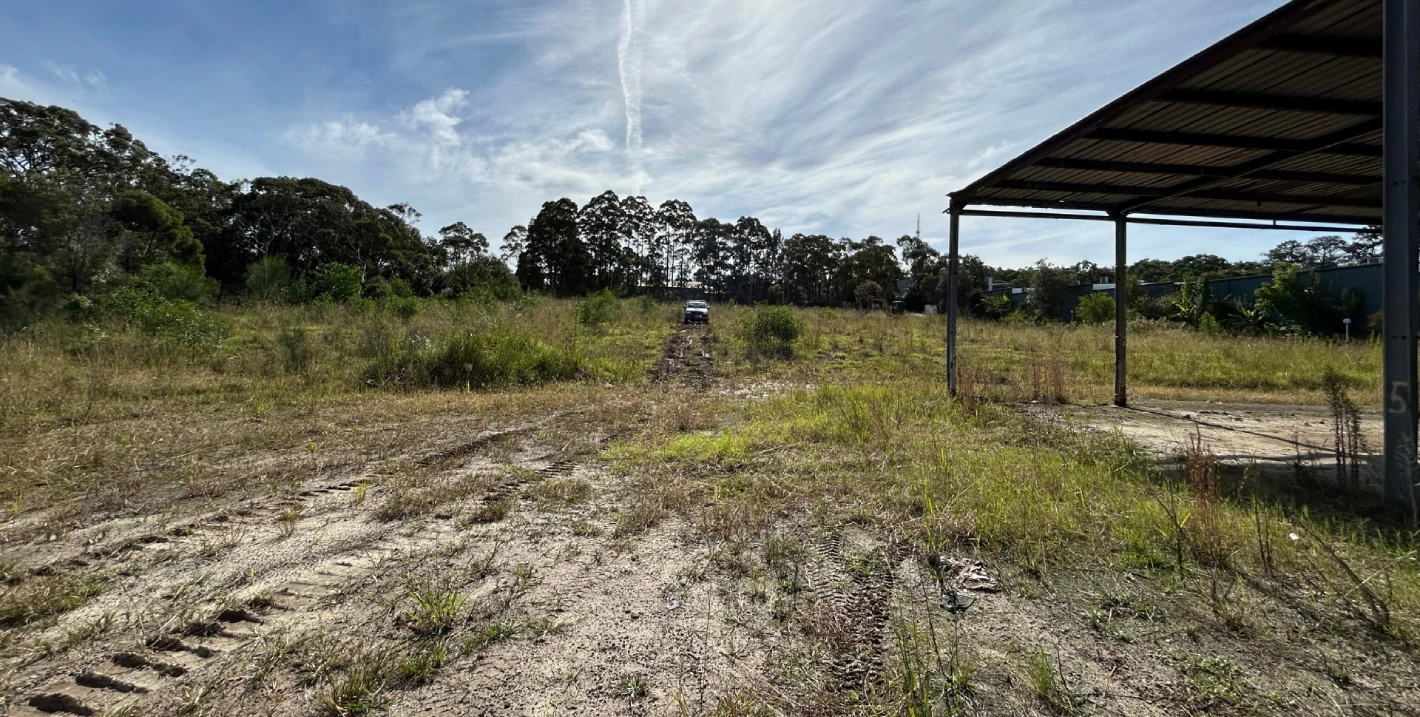
- Fieldwork – using hand augers, direct push rigs, or drilling equipment to collect samples at specified depths
- Laboratory analysis – accredited labs test for contaminants according to national guidelines
- Interpretation and reporting – results are compared against relevant health-based and ecological criteria
At each stage, sampling must be conducted in line with EPA protocols and occupational health and safety standards to ensure accurate, defensible data.

.jpg)


