








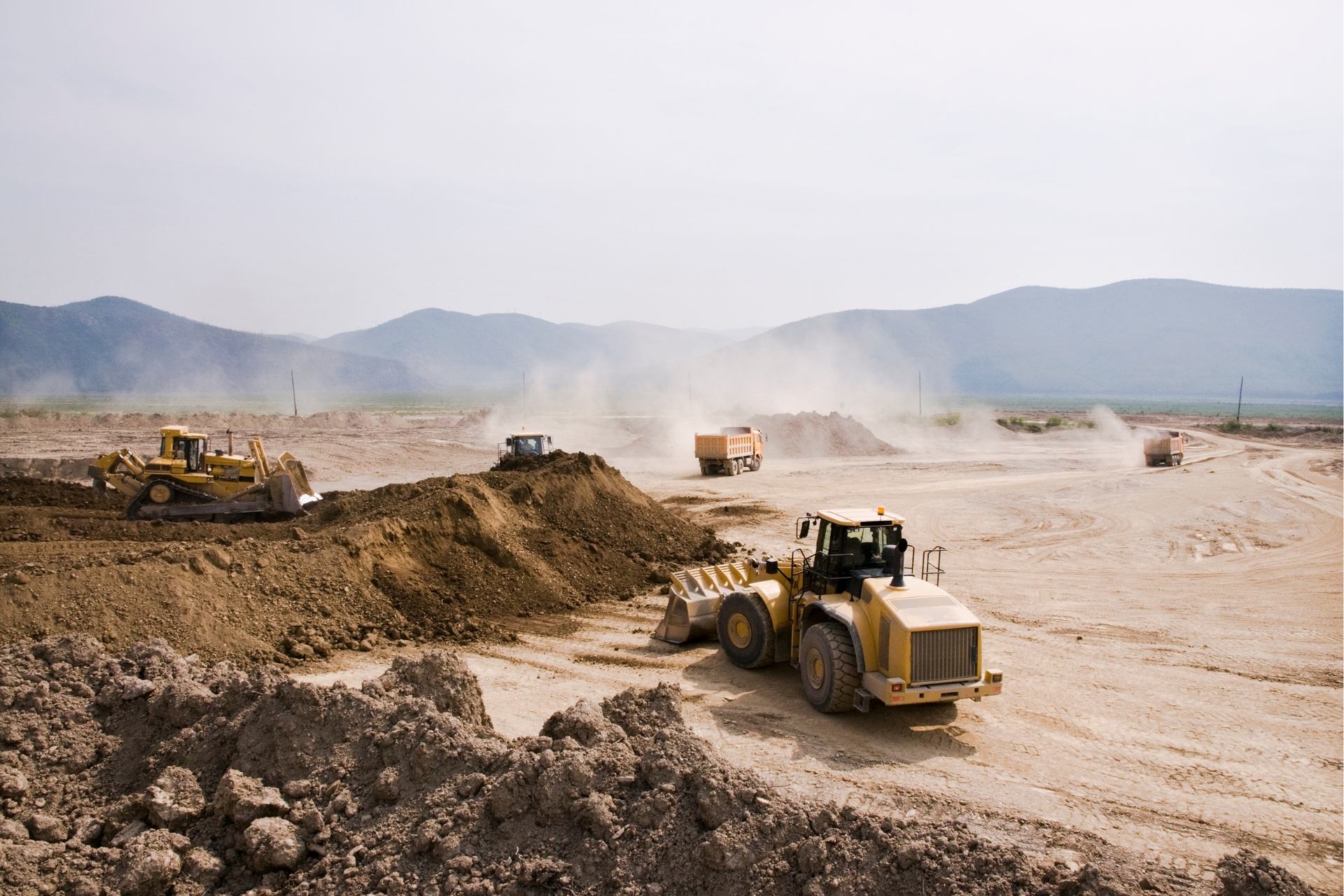
Article Summary: Earthworks verification is the process by which a geotechnical engineer confirms that filling, compaction, and ground preparation meet the project specification before construction proceeds. It covers compaction testing, fill material quality, layer thickness, and drainage conditions. Without formal verification, there is no documented basis for the performance of the prepared ground beneath the structure.
Why Earthworks Verification Matters
When a project involves imported fill, site regrading, or the construction of embankments, the ground preparation phase carries significant engineering risk. The quality of compacted fill beneath a slab, pavement, or footing directly affects how the finished structure performs over its life.
Earthworks verification is the process that confirms ground preparation has been completed to the required standard. It produces the documented evidence that designers, certifiers, and lenders need before construction proceeds to the next stage. For a broader overview of where earthworks verification fits within the full range of geotechnical construction support services, the Nova Group Pacific guide for developers and project managers covers each service in detail.
What Is Earthworks Verification?
Earthworks verification is a systematic process of field inspection and testing carried out during and after the earthworks construction phase. A qualified geotechnical engineer or engineering geologist attends on site to assess compaction, confirm fill quality, measure layer thicknesses, and review drainage conditions.
Verification is distinct from general construction observation. It produces a formal record — either a geotechnical inspection report at each inspection stage, or a geotechnical completion report at the end of the earthworks phase — confirming that the works meet the project specification and design requirements.
When Is Earthworks Verification Required?
Development Consent Conditions
Many development consents include an explicit condition requiring earthworks verification. This is particularly common on residential subdivisions, commercial developments, and infrastructure projects where engineered fill forms part of the foundation system. The condition will typically reference the relevant Australian Standard and require the verification report to be submitted before the next construction stage proceeds.
Geotechnical Report Requirements
The geotechnical report prepared for the project will generally specify verification requirements as part of the earthworks specification. This includes the minimum relative compaction to be achieved, the testing frequency, and the maximum layer thickness for fill placement. These requirements flow from the engineer's assessment of the foundation conditions and the sensitivity of the proposed structure.
AS 3798 — the Standard Behind the Requirement
AS 3798:2007 is the Australian Standard most commonly referenced in consent conditions and geotechnical reports as the basis for earthworks verification requirements. It defines inspection and testing categories based on the risk profile of the project, and sets requirements for compaction testing, fill material acceptance, and supervision. Projects must comply with the relevant category, as specified in the geotechnical report or consent conditions.
What Does the Inspector Check?
Compaction Testing
Compaction is the most critical parameter in earthworks verification. The inspector carries out field density testing — typically using a nuclear density gauge or sand replacement method — to confirm that the compacted fill achieves the minimum relative compaction specified in the geotechnical report. For most commercial and residential projects, the specification will require 95% standard compaction or better, depending on the project category under AS 3798 and the intended use of the fill.
A failing test result triggers investigation and remediation before fill placement continues. A single non-compliant area in the wrong location can have significant consequences for the long-term performance of the structure above.
Fill Material Quality and Classification
Not all fill material is suitable for use in compacted fill. The inspector assesses whether the material being placed matches the specification, including visual assessment and field soil classification — identifying the material type, plasticity, and particle size characteristics — to confirm suitability before placement proceeds. The inspector also checks for deleterious material such as organics, clay lumps, oversized particles, or debris. Where imported fill is used, source documentation may also be reviewed to confirm the material is acceptable before it is placed and compacted.
Layer Thickness
Fill must be placed in controlled lifts to achieve uniform compaction throughout each layer. If fill layers are too thick, the compaction energy from the roller cannot penetrate to the full depth of the layer, resulting in under-compacted zones that are not detectable from the surface.
The inspector checks that fill is being placed at the specified layer thickness at each inspection visit, not just at the end of the works. Retrospective verification of layer thickness is not possible once fill has been placed and compacted.
Drainage and Moisture Conditions
The moisture content of fill material at the time of compaction has a direct effect on the compaction achieved. Fill placed at moisture contents significantly above or below the optimum will not compact to the required density, regardless of the compaction effort applied.
The inspector assesses moisture conditions in the field and may direct the contractor to moisture-condition the material before compaction if conditions fall outside the acceptable range. Drainage of the working platform is also checked, as standing water beneath or within the fill can compromise compaction and introduce long-term settlement risk.
What Happens After Verification?
Following each inspection visit, the geotechnical engineer issues a geotechnical inspection report documenting the findings. This records the areas inspected, the compaction test results, any non-compliant areas and the remediation actions taken, and confirmation that earthworks in the inspected areas meet the specification.
At the completion of the earthworks phase, a geotechnical completion report is issued. It summarises all inspection and testing results across the full earthworks programme and confirms that the completed works meet the design requirements. This is the formal sign-off that structural engineers, certifiers, and lenders require before the project progresses to the foundation construction phase.
The geotechnical completion report is a standard requirement for construction loan progressive drawdown at the earthworks stage. Certifiers also commonly require it before structural works above the prepared platform can commence.
Earthworks Verification and Project Certification
Earthworks verification sits within a broader certification pathway that runs from development consent through to structural completion. Each geotechnical inspection report and the final completion report form part of the documented record that satisfies the principal certifier, the structural engineer, and any lender requirements.
Where the same geotechnical firm conducts both the geotechnical investigation and the earthworks verification, that documentary chain is cleaner and more defensible. The engineer who set the design parameters is also the one confirming they have been met in practice — removing any ambiguity about intent, scope, or interpretation if questions arise later.
Conclusion
Earthworks verification is not a tick-box exercise. It is the mechanism by which the engineer confirms that the ground beneath a structure will perform as the design assumes. Without it, there is no documented basis for the compaction, fill quality, or drainage conditions that the structural design depends on.
Carrying out verification correctly protects the developer, the builder, and the structural engineer if questions arise about performance later. That means the right testing frequency, a qualified engineer on site at the right times, and complete documentation throughout.
Speak to a Geotechnical Engineer
We carry out earthworks inspections and verification for residential subdivisions, commercial developments, and infrastructure projects across Australia. Our team issues geotechnical inspection reports and geotechnical completion reports that satisfy AS 3798, development consent conditions, and construction finance requirements.
Contact us to request a scope and fee proposal for your project.


