
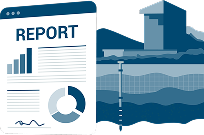




Property Condition Assessments (PCAs) are independent evaluations that document the existing condition of buildings, structures, and surrounding assets before construction or remediation works commence. They establish a defensible baseline to manage risk, resolve disputes, and support compliance requirements.
A Property Condition Assessment (PCA) is a structured inspection that records the current condition of buildings, infrastructure, and surrounding assets to identify pre-existing defects prior to nearby construction, excavation, vibration, or remediation activities. PCAs provide evidence-based documentation through written reports, photographs, and (where relevant) monitoring data.
PCAs are a critical risk-management tool for developers, contractors, insurers, and property owners. Construction and remediation activities can cause—or appear to cause—damage to adjacent structures. Without a documented baseline condition, project teams face increased liability, delays, and costly dispute resolution.
PCAs help to:
PCAs are often paired with Noise & Vibration Management Plans (NVMPs), vibration monitoring programs, or geotechnical assessments on complex projects.
Property Condition Assessments are most commonly required in areas where construction or remediation activities may influence nearby structures. Typical triggers include:
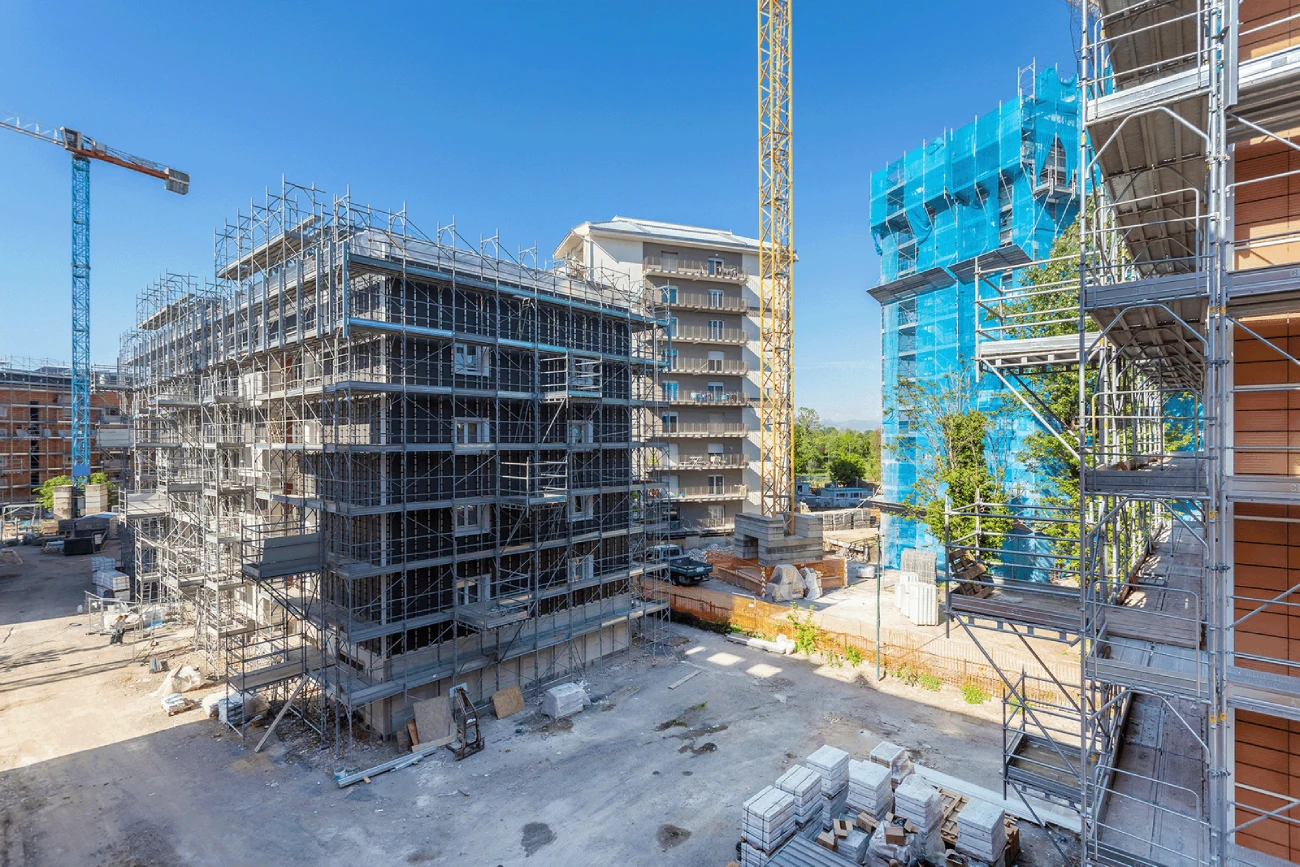
Basement construction, shoring installation, tunnelling, and major cut-and-fill activities often require PCAs for adjacent buildings.
Piling, compaction, rock-breaking, and blasting may generate vibration levels that impact surrounding properties.
Consent authorities may require PCAs as part of risk management and community protection conditions.
Where remediation activities involve excavation, groundwater extraction, or encapsulation cell construction, PCAs help verify that nearby assets are unaffected.
Buildings with aged materials, settlement risk, or heritage significance require additional diligence and documentation.
Insurers, lenders, or principal contractors may mandate PCAs to support project risk frameworks.
Nova Group Pacific provides thorough, independent Property Condition Assessments tailored to construction, remediation, and infrastructure environments.
Our services include:
Explore related glossary entries to strengthen understanding of construction and environmental risk management:
Whether you need site assessment, remediation, or environmental consulting, our expert team is here to guide your project from planning to completion with precision and care.
Whether you're early-stage or ready to build, this tool helps you work out what reports you need — and how to bundle them into a single site visit.
Fast. Free. Custom to your stage.


We provide sustainable contaminated land, remediation, and geotechnical consulting services across Australia.


.jpeg)
.jpeg)


