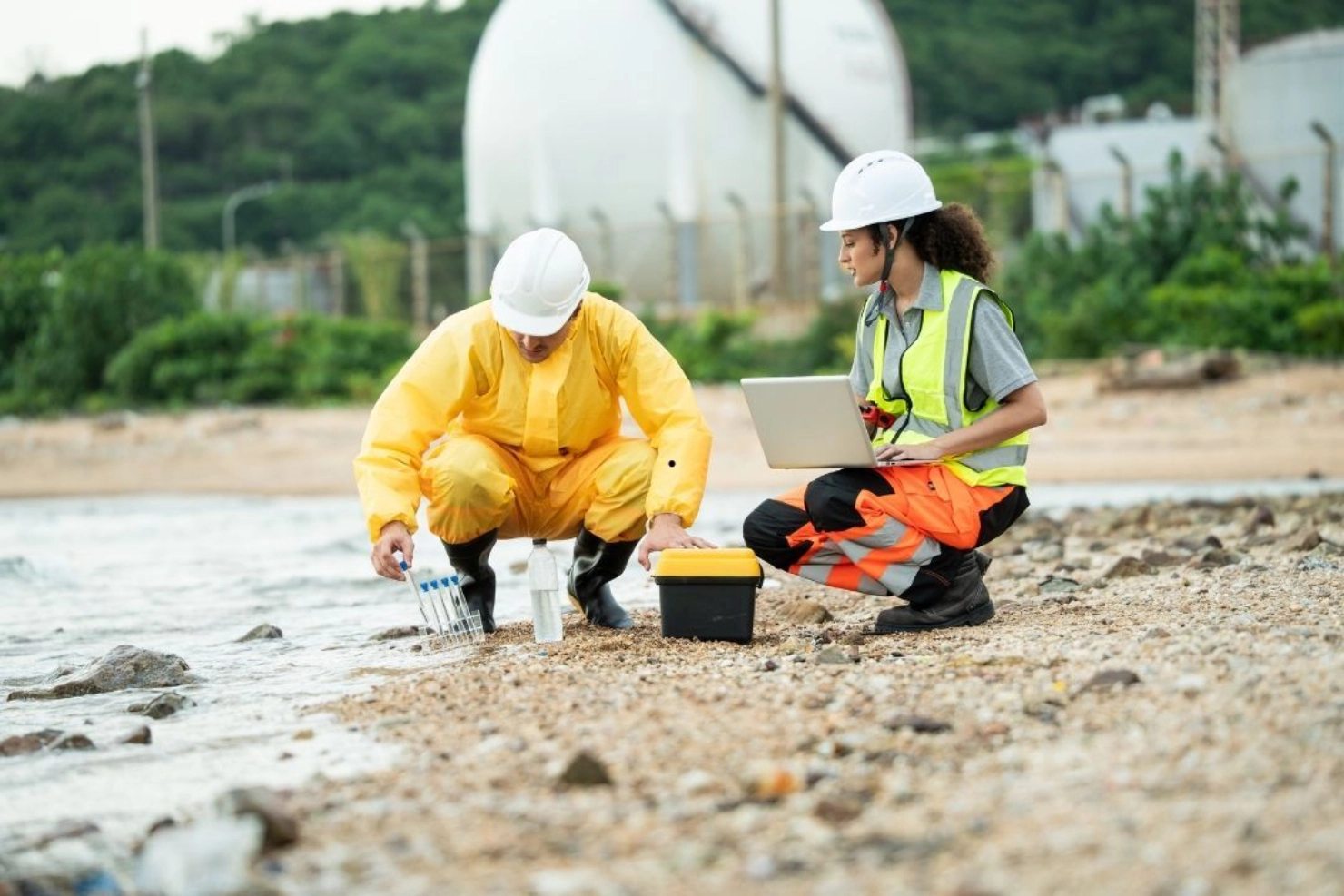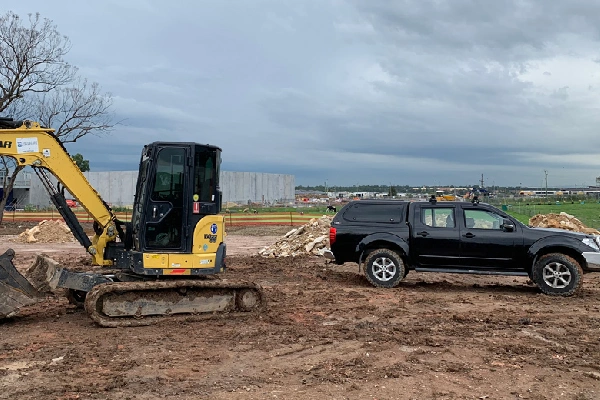





Environmental compliance trigger events are specific site activities, conditions, or changes that activate additional regulatory requirements, monitoring, notifications, or management actions. They help ensure environmental risks are identified early and managed in line with approval conditions and legislation.
Environmental compliance trigger events are predefined conditions or thresholds that, when met or exceeded, require a project to implement additional environmental controls, undertake monitoring, notify regulators, or amend management plans. These triggers are established through regulatory approvals, environmental management plans, risk assessments, or licence conditions.
Trigger events are critical for maintaining compliance and preventing environmental harm during construction, remediation, and operational activities. They act as an early-warning system, ensuring that project teams respond promptly when environmental risks increase or when site conditions change.
Key reasons they matter include:
Trigger events are commonly embedded within:
Compliance trigger events are used in projects where environmental risks must be actively tracked and managed. Common trigger categories include:
Exceedances of particulate limits (e.g., PM10, PM2.5), dust deposition rates, or visible dust generation may require immediate mitigation and monitoring adjustments.
Triggers may relate to groundwater drawdown levels, dewatering discharge quality, turbidity, pH, or contaminant concentrations. Exceedances often require actions outlined in a Dewatering Management Plan (DMP) or water-quality monitoring plan.
When noise or vibration levels exceed approved thresholds, works may need to be modified, paused, or shifted to compliant hours.
Discovery of:
These events typically activate specific stop-work and notification procedures.
Nova Group Pacific supports clients in identifying, defining, monitoring, and managing environmental compliance trigger events to ensure projects meet regulatory obligations and avoid environmental harm.
For support implementing environmental compliance trigger events on your project, contact our team.
Whether you need site assessment, remediation, or environmental consulting, our expert team is here to guide your project from planning to completion with precision and care.
Whether you're early-stage or ready to build, this tool helps you work out what reports you need — and how to bundle them into a single site visit.
Fast. Free. Custom to your stage.


We provide sustainable contaminated land, remediation, and geotechnical consulting services across Australia.