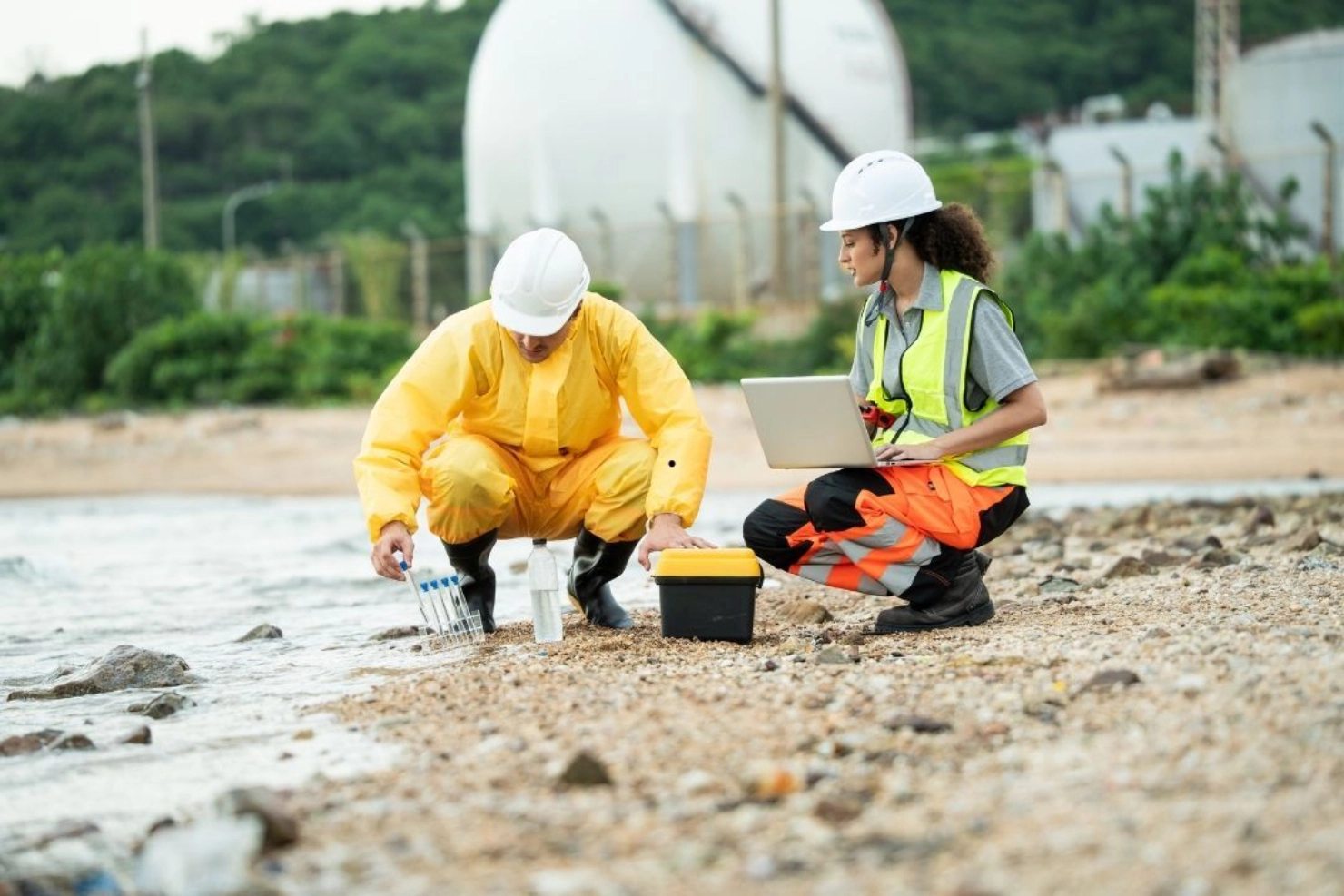








Event-based monitoring involves targeted environmental monitoring triggered by specific activities, site conditions, or environmental events. It provides rapid, high-resolution data to assess risks, demonstrate compliance, and inform responsive management actions during dynamic project stages.
Event-based monitoring is the targeted collection and analysis of environmental data initiated when predetermined events occur—such as heavy rainfall, dewatering activities, excavation milestones, threshold exceedances, or unexpected contamination. It supplements routine monitoring and ensures environmental risks are assessed precisely when they are most likely to occur.
Event-based monitoring enables project teams to manage environmental risks proactively, especially during high-risk or variable site activities. Regulators increasingly require it as part of environmental approvals, Construction Environmental Management Plans (CEMPs), and contaminated land remediation programs because it provides reliable, real-time insight into changing site conditions.
This monitoring approach helps to:
It is widely used in projects with complex hydrology, variable environmental conditions, or contamination risks.
Event-based monitoring is triggered by scenarios where environmental impacts may increase or become unpredictable. Common triggers include:
Monitoring turbidity, sediment loads, pH, dissolved metals, or contaminated runoff following major rainfall events where erosion or mobilisation risks are high.
Assessing water quality, discharge impacts, or drawdown effects when groundwater pumping begins, changes flow rate, or reaches threshold volumes. Often tied to a Dewatering Management Plan (DMP).
Monitoring dust, asbestos fibres, odour, or volatile compounds during excavation of contaminated soils or landfill materials.
Environmental monitoring may be required when:
These events often activate protocols outlined in a Construction Environmental Management Plan (CEMP) or Environmental Compliance Trigger Events framework.
Monitoring is required where works occur near waterways, wetlands, residences, hospitals, schools, or ecologically sensitive areas.
Event-based monitoring is commonly mandated under:
Nova Group Pacific provides comprehensive, responsive event-based monitoring tailored to environmental risks and regulatory expectations.
Key complementary services include:
Strengthen your understanding of environmental monitoring and compliance management with related glossary entries:
Whether you need site assessment, remediation, or environmental consulting, our expert team is here to guide your project from planning to completion with precision and care.
Whether you're early-stage or ready to build, this tool helps you work out what reports you need — and how to bundle them into a single site visit.
Fast. Free. Custom to your stage.


We provide sustainable contaminated land, remediation, and geotechnical consulting services across Australia.
.jpeg)