






Technical due diligence (TDD) is the structured evaluation of environmental, geotechnical, structural, and compliance risks associated with a property or project. It supports informed decision-making for acquisitions, financing, redevelopment, and construction planning.
Technical Due Diligence is a comprehensive review of a site’s physical, environmental, and regulatory conditions to identify risks, liabilities, constraints, and opportunities that may affect property value, development feasibility, or project delivery. TDD integrates environmental science, engineering, planning, and regulatory analysis to deliver a clear risk profile for investors and project stakeholders.
Technical due diligence is essential for mitigating financial, environmental, and regulatory risk—particularly for complex or high-value property transactions. Without a thorough assessment, buyers and financiers may unknowingly inherit costly liabilities or face delays and compliance issues.
TDD helps stakeholders:
In Australia, TDD is especially important for brownfield sites, industrial assets, infrastructure corridors, and redevelopment precincts where environmental and geotechnical constraints can significantly impact feasibility.
Technical due diligence is typically undertaken before acquiring, financing, or redeveloping a property or infrastructure asset. Common triggers include:
Investors or tenants require assurance that a site is free from significant environmental or structural risks.
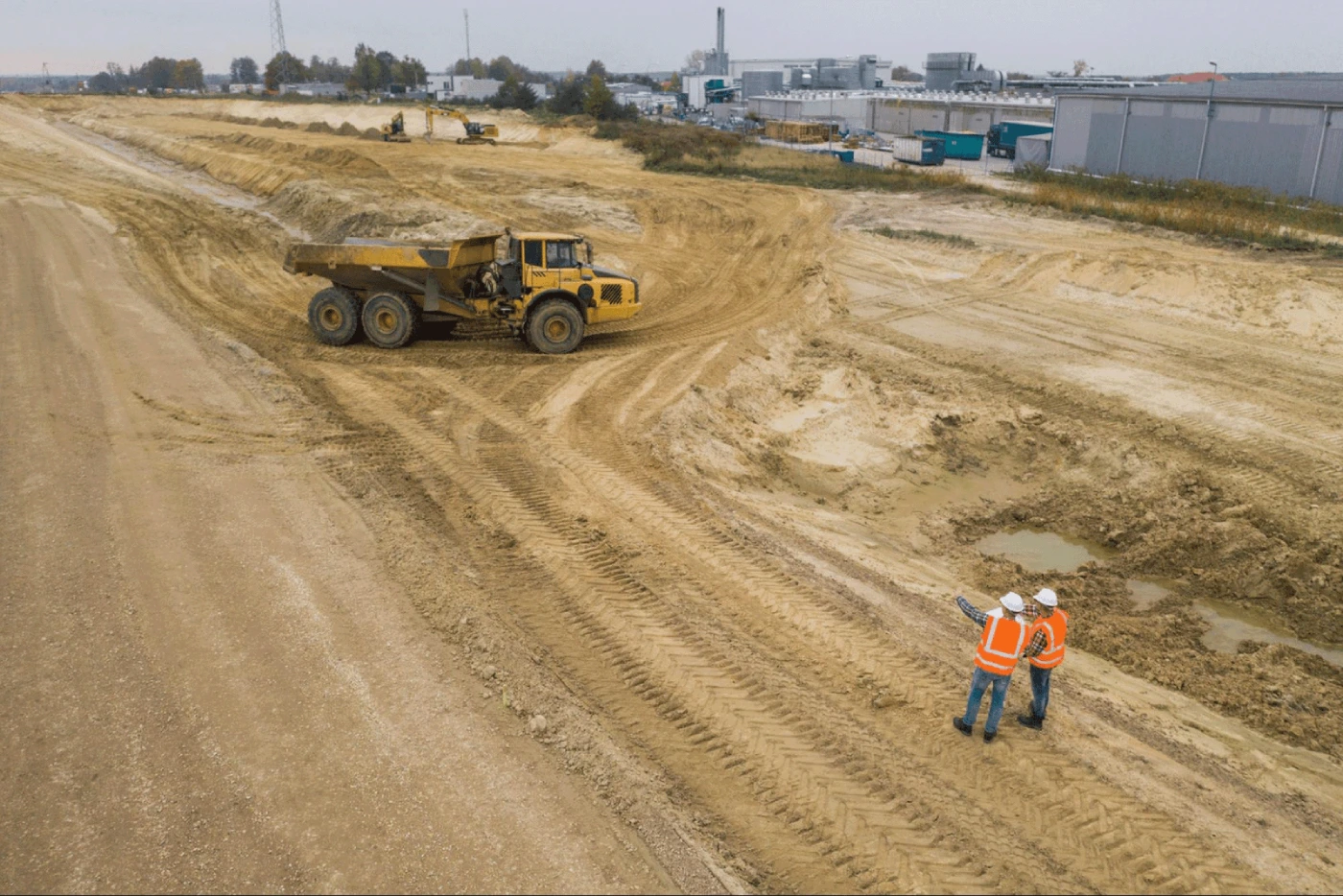
Sites with historical industrial or commercial uses often require detailed investigations to assess contamination, landfill conditions, and geotechnical stability.
Route selection, design feasibility, and risk evaluation often rely on comprehensive TDD inputs.
Banks and equity partners frequently require technical due diligence to quantify liabilities and validate project assumptions.
Understanding approvals, constraints, and site sensitivities informs staging and cost planning.
EPA notices, audit recommendations, or compliance risks may require specialist due diligence to inform remediation or closure strategies.
Nova Group Pacific provides multidisciplinary technical due diligence services tailored to acquisitions, redevelopment projects, and infrastructure planning.
Our services include:
Explore related glossary terms that support property risk assessment and project feasibility:
Whether you need site assessment, remediation, or environmental consulting, our expert team is here to guide your project from planning to completion with precision and care.
Whether you're early-stage or ready to build, this tool helps you work out what reports you need — and how to bundle them into a single site visit.
Fast. Free. Custom to your stage.


We provide sustainable contaminated land, remediation, and geotechnical consulting services across Australia.