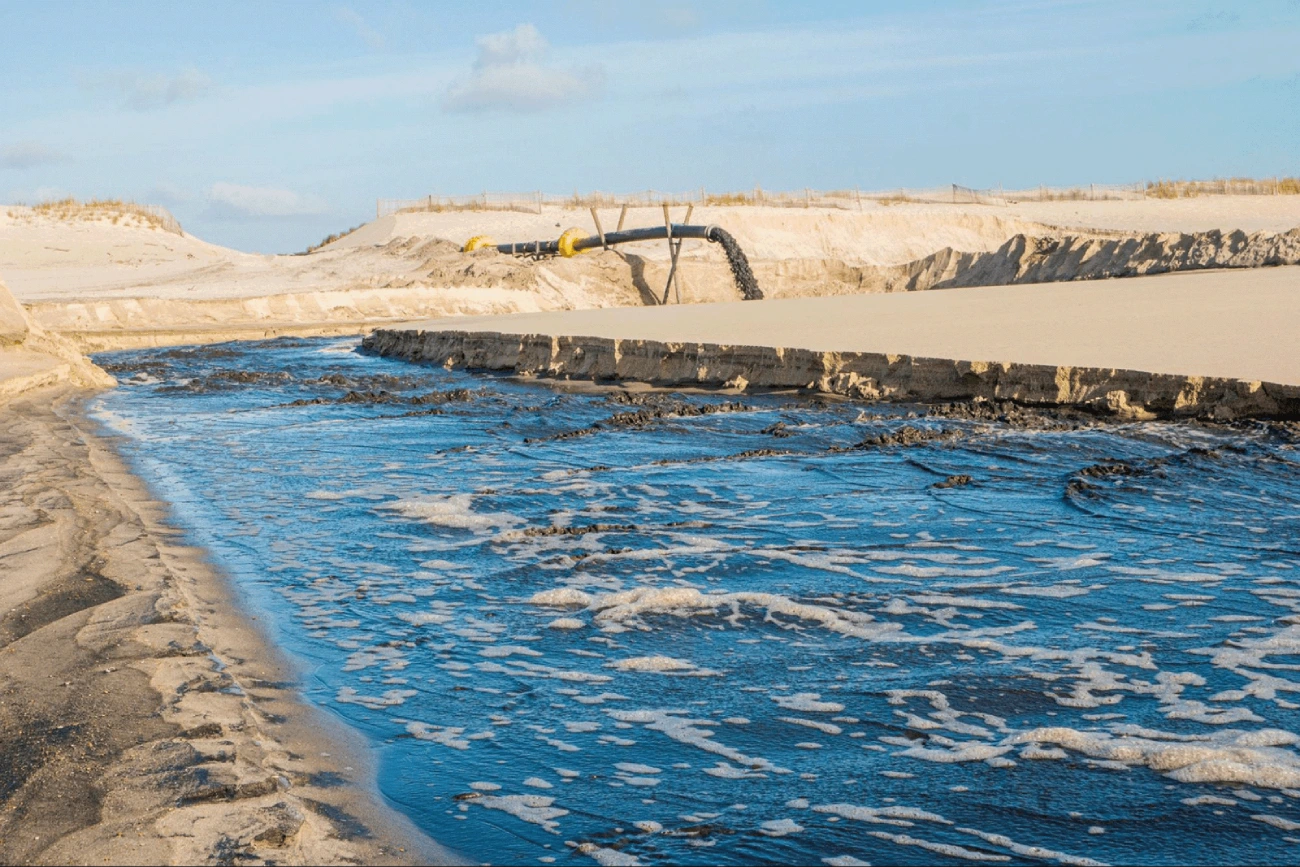






Landfill leachate risks refer to the environmental and human health hazards associated with contaminated liquid generated within landfills or historical fill sites. Effective assessment and management are essential to protect groundwater, waterways, ecosystems, and development outcomes.
Landfill leachate risks relate to the potential for contaminated water—formed when rainwater or waste moisture percolates through landfill material—to migrate into soil, groundwater, or surface water environments, causing pollution or harm. Leachate often contains a complex mix of organic compounds, heavy metals, nutrients, pathogens, and dissolved solids.
Leachate is one of the most significant environmental concerns associated with modern and historical landfills.
Poorly managed leachate can:
Australian environmental regulators—including EPA NSW, EPA Victoria, and QLD DEPW—require thorough assessment and management of leachate, particularly where redevelopment or construction intersects with former landfill sites.
Leachate risks are closely linked to landfill gas, hydrology, waste composition, groundwater elevation, and engineered containment integrity (liners, capping, drainage systems).
Leachate risk assessment, monitoring, or management is required whenever works occur on or near former landfills, waste disposal areas, or filled land. Common triggers include:
Planning authorities typically request leachate investigations as part of contaminated land or groundwater assessments.
Earthworks can alter drainage pathways or expose leachate-affected material, increasing risk to workers and the environment.
Leachate can migrate into aquifers, requiring monitoring wells and long-term groundwater quality assessment.
Engineered containment systems must manage leachate generation and prevent off-site migration.
Operational and closed landfills are typically subject to EPA-mandated leachate monitoring frameworks.
Leachate may drive contaminant migration, influencing the design of remediation strategies and environmental controls.
Sites located near waterways, wetlands, drinking water catchments, or residential areas typically require enhanced leachate risk assessment.
Nova Group Pacific provides comprehensive assessment, monitoring, and management solutions to understand and mitigate landfill leachate risks.
Our multidisciplinary services include:
Explore associated landfill and environmental risk-management concepts:
Whether you need site assessment, remediation, or environmental consulting, our expert team is here to guide your project from planning to completion with precision and care.
Whether you're early-stage or ready to build, this tool helps you work out what reports you need — and how to bundle them into a single site visit.
Fast. Free. Custom to your stage.


We provide sustainable contaminated land, remediation, and geotechnical consulting services across Australia.