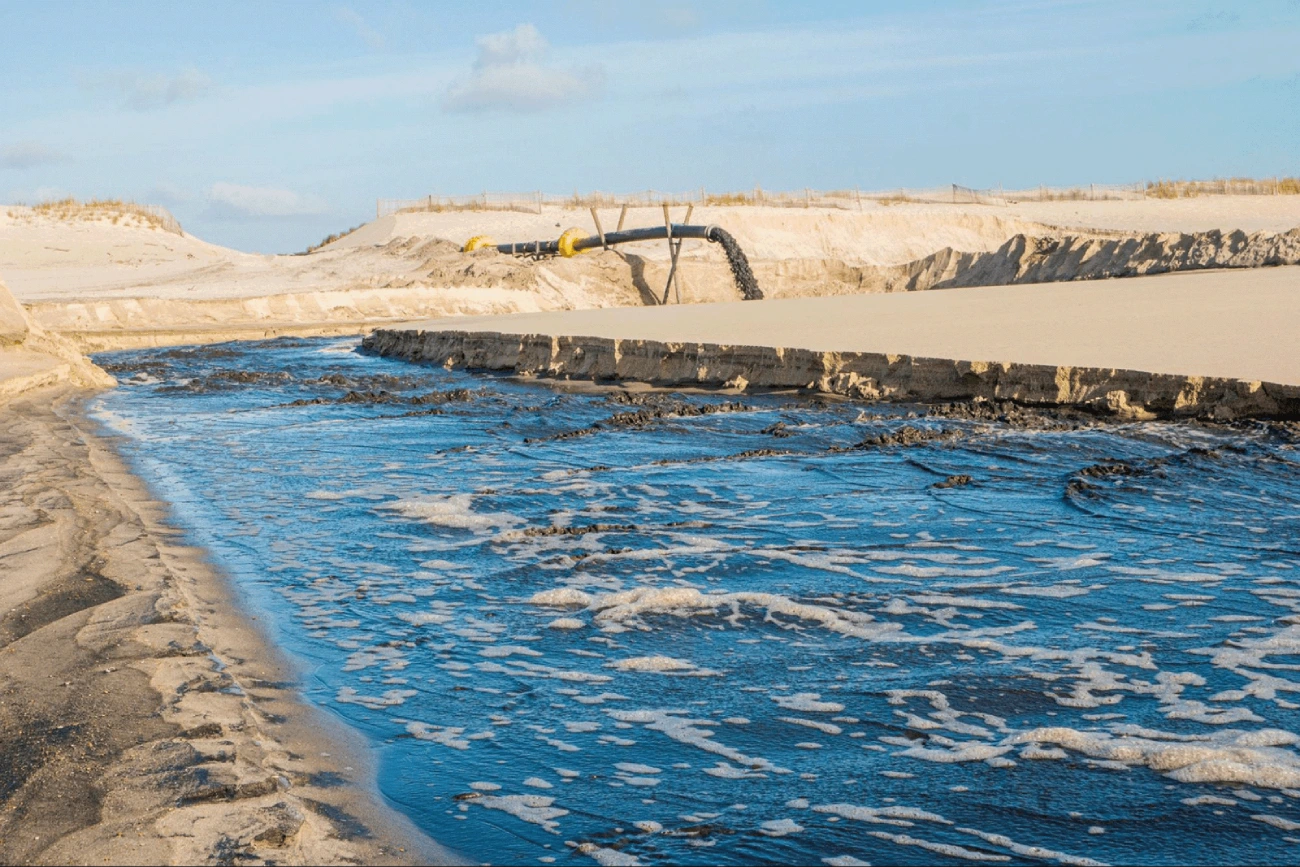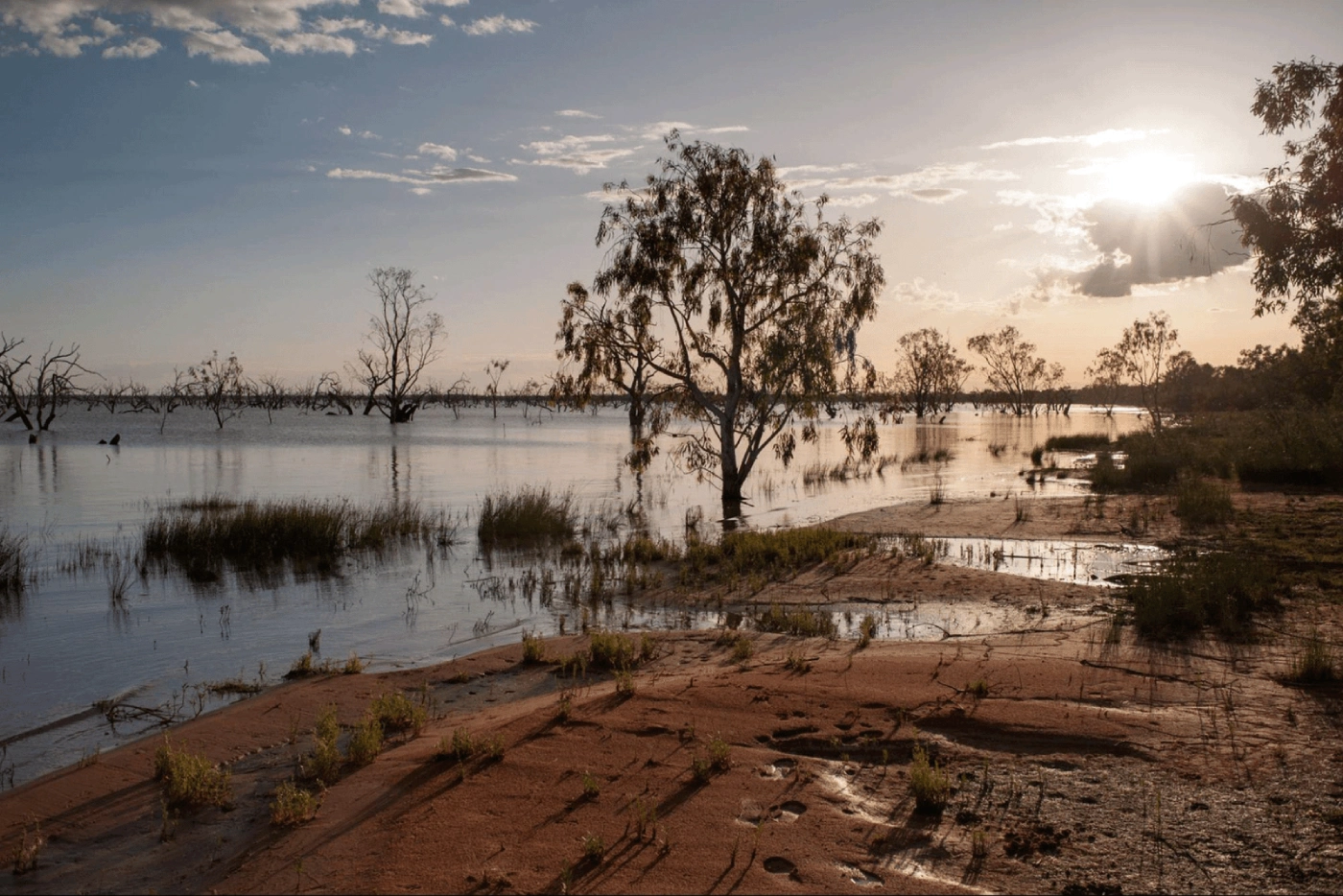




Leachability refers to the potential for contaminants within soil, waste or other materials to dissolve and migrate when exposed to water. It’s a key concept in Australian environmental consulting, land remediation and waste management—used to assess environmental risk, classify materials and determine safe disposal or reuse options.
Leachability is the measure of a material’s ability to release contaminants (such as heavy metals, salts or organic compounds) into leachate—the liquid that drains or “leaches” through it—under natural or test conditions. In environmental practice, leachability is assessed through laboratory testing (such as leachate extraction or elutriate tests) to evaluate how pollutants could migrate into groundwater or surface water.
Leachability plays a critical role in Australia’s environmental risk assessments, remediation planning and waste-classification frameworks.
Leachability determines whether contaminants within soils, fill or waste could dissolve and move through infiltration, posing risks to groundwater and ecosystems. High leachability indicates potential contamination pathways and may require containment or treatment.
Australian EPA frameworks classify waste based not only on total contaminant concentration but also on leachable concentrations.
For example, the NSW EPA Waste Classification Guidelines (2014) and equivalent state guidelines use leachability results (often from Toxicity Characteristic Leaching Procedure—TCLP—or Australian Standard Leaching Procedure—ASLP tests) to determine whether waste is:
These categories dictate whether material can be reused, sent to landfill, or must be treated before disposal.
In contaminated-land management, leachability helps determine whether residual contaminants pose long-term risks after remediation. Materials with low total concentrations but high leachability may still impact groundwater. Testing informs whether capping, immobilisation or removal is required.
Developers, consultants and regulators use leachability data in:
Leachability assessment is typically required when materials have the potential to release contaminants through contact with water.
At Nova Group Pacific, our environmental scientists and remediation specialists integrate leachability testing and interpretation into waste classification, remediation and validation programs.
Our services include:
Contact our team for expert guidance on managing leachability risks, achieving regulatory approval and ensuring sustainable material outcomes.
Whether you need site assessment, remediation, or environmental consulting, our expert team is here to guide your project from planning to completion with precision and care.
Whether you're early-stage or ready to build, this tool helps you work out what reports you need — and how to bundle them into a single site visit.
Fast. Free. Custom to your stage.


We provide sustainable contaminated land, remediation, and geotechnical consulting services across Australia.