







Introduction
Groundwater plays a crucial role in sustaining ecosystems, supplying drinking water, and supporting agriculture and development across Sydney, Wollongong, and Byron Bay. Yet increasing urbanisation and climate pressures make protecting this vital resource more complex than ever. This article answers five commonly asked questions about effective groundwater protection strategies used across our regions.
What Causes Groundwater Contamination in Urban Areas?
In growing regions like Western Sydney and the Illawarra, contamination sources often include industrial runoff, leaky underground storage tanks, and stormwater infiltration. Construction projects near former landfill sites can also disturb existing contaminants. In Byron Bay, high tourism and wastewater mismanagement contribute to rising nutrient loads and pathogen risks in shallow aquifers.
How Is Groundwater Monitoring Carried Out Locally?
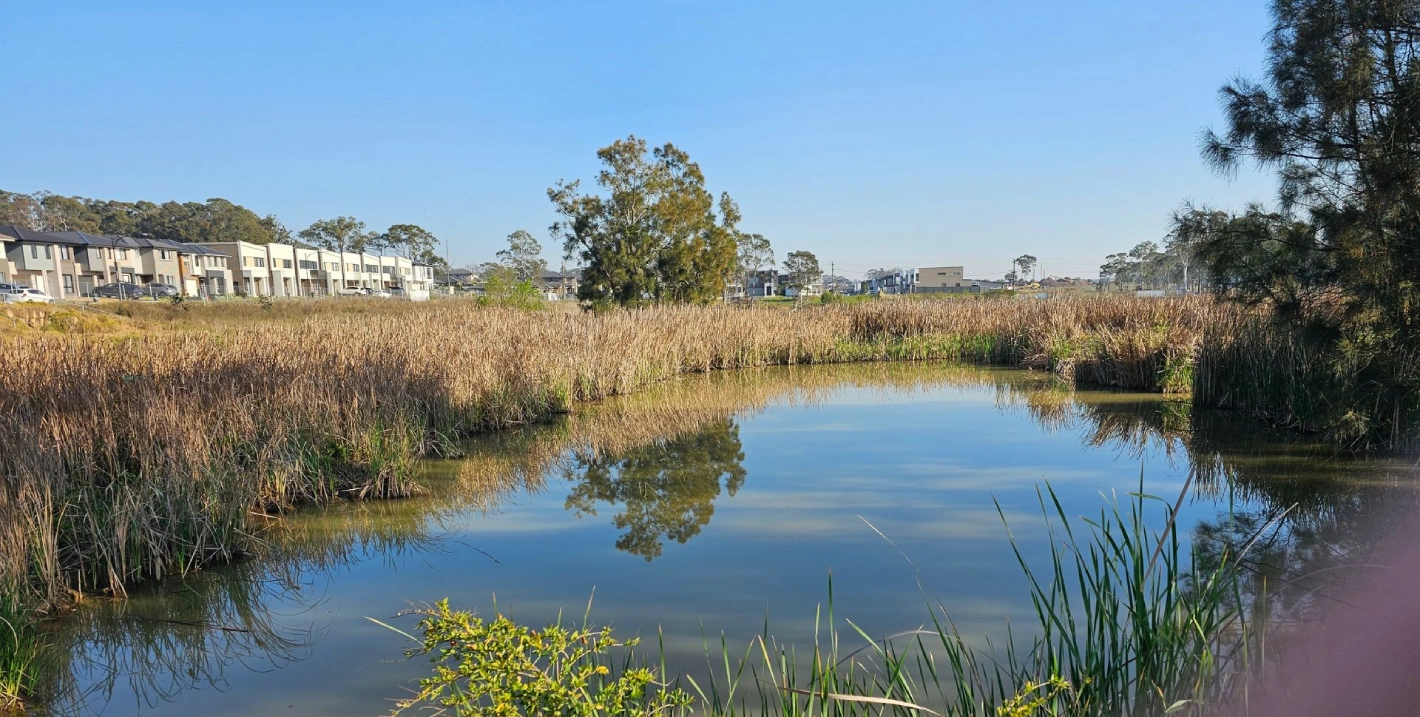
Monitoring programs in NSW involve the use of long-term groundwater bores, piezometers, and automated logging systems. These tools track fluctuations in water levels, chemical signatures, and contaminant movement. For instance, Nova Group Pacific’s recent work in Riverstone used permanent well installations with automated data collection to monitor stormwater-basin interactions with underlying aquifers.
What Groundwater Protection Measures Work Best Near Construction Sites?
Effective construction-related strategies include:
- Site-specific exclusion zones around sensitive recharge areas
- Sediment and erosion control barriers to reduce runoff infiltration
- Bunded chemical storage zones to prevent spills
- Groundwater monitoring before, during, and after excavation
These approaches are tailored to local hydrogeological conditions and are often required as part of an approved CEMP (Construction Environmental Management Plan).