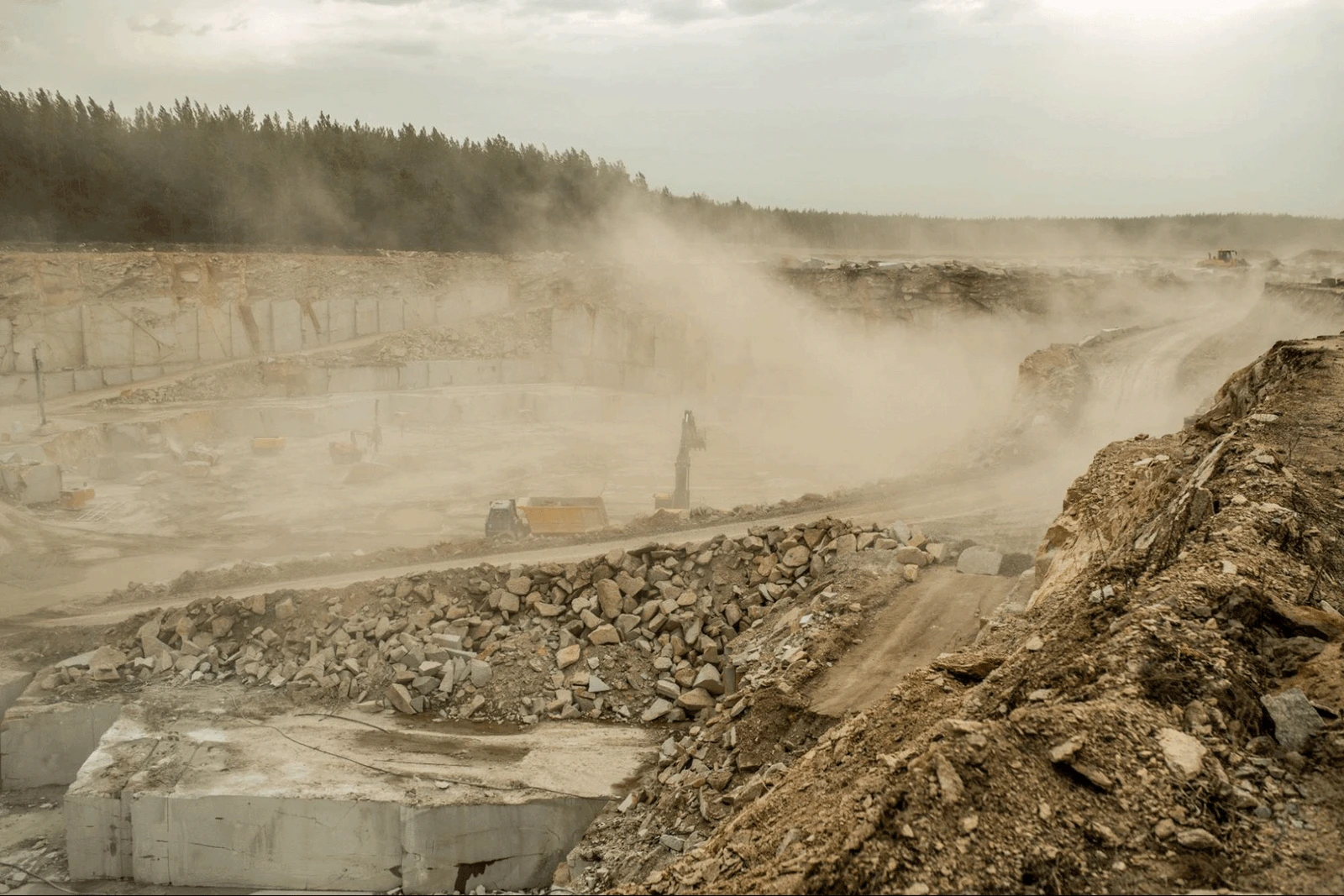








A Dust suppression strategy outlines the controls, monitoring, and management actions used to minimise dust generation during construction, remediation, or earthworks activities. It helps protect human health, air quality, nearby receptors, and regulatory compliance across project sites in Australia.
A Dust suppression strategy is a site-specific plan that identifies dust risks and describes the mitigation measures, monitoring requirements, and response actions necessary to control dust emissions during construction, excavation, or remediation works. It ensures dust is managed in accordance with environmental regulations, workplace health and safety standards, and project approval conditions.
Dust emissions are a major environmental and safety consideration for construction and remediation projects, particularly in urban, industrial, and sensitive locations.
Unmanaged dust can:
A well-designed Dust Suppression Strategy supports compliance with:
By proactively managing dust, project teams reduce risk, maintain productivity, protect site workers and neighbours, and demonstrate environmental due diligence.
A Dust Suppression Strategy is typically required when activities have the potential to generate airborne dust or particulate matter. Common scenarios include:
Bulk earthworks, excavation, road construction, trenching, and demolition frequently require dust control to manage risks to workers and nearby properties.
Where soil contains contaminants such as asbestos, heavy metals, or hydrocarbons, dust suppression becomes critical to limiting off-site movement and ensuring safe excavation and handling.
Environmental conditions that increase dust lift—such as drought, exposed soils, or high vehicle activity—often trigger additional management requirements.
Hospitals, schools, aged-care facilities, waterways, residential areas, or ecological sites may require enhanced dust control measures and continuous monitoring.
Dust management is commonly mandated in:
Nova Group Pacific supports clients with technically sound, regulatory-aligned Dust Suppression Strategies tailored to site conditions, contaminants, and project requirements.
For tailored dust management support, contact our team to develop a compliant, effective Dust Suppression Strategy for your project.
Whether you need site assessment, remediation, or environmental consulting, our expert team is here to guide your project from planning to completion with precision and care.
Whether you're early-stage or ready to build, this tool helps you work out what reports you need — and how to bundle them into a single site visit.
Fast. Free. Custom to your stage.


We provide sustainable contaminated land, remediation, and geotechnical consulting services across Australia.