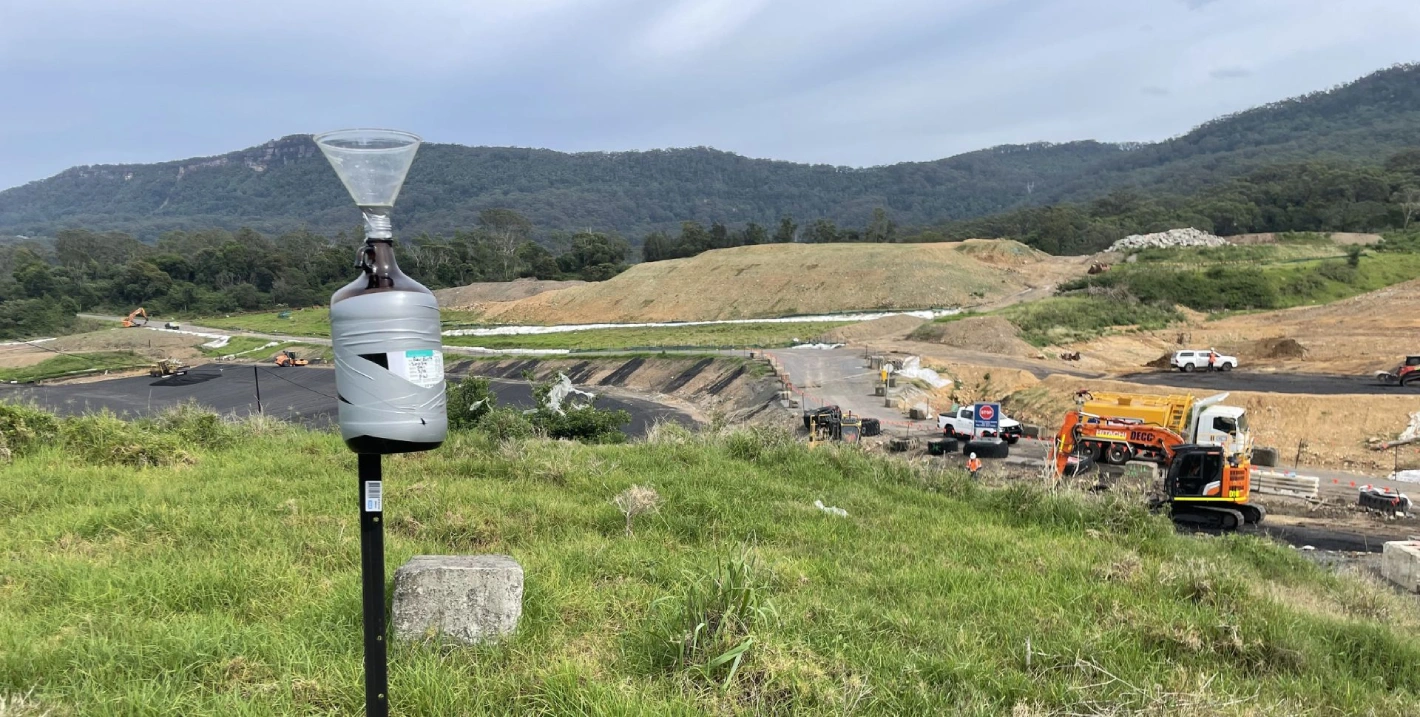








The Importance of Dust Control Compliance
Dust emissions from construction sites, waste facilities, and industrial operations pose significant health and environmental risks. Failing to comply with Australia’s strict dust control regulations can lead to substantial fines, operational shutdowns, and legal liabilities. Regulatory bodies such as Safe Work Australia and the NSW Environmental Protection Authority (EPA) have stringent guidelines in place to mitigate airborne pollutants and protect workers and surrounding communities.
In this article, we’ll explore the latest regulatory requirements, effective compliance strategies, and real-world applications of dust suppression techniques to help businesses maintain compliance and avoid costly penalties.
Read more in our article Silica Dust Regulation in Australia: 2025–2026 Compliance Guide
Understanding Australia’s Dust Control Regulations
Australia’s dust control regulations are designed to prevent occupational lung diseases, environmental contamination, and air quality degradation. Key regulations include:
- Safe Work Australia Standards: Mandates workplace air quality thresholds, requiring businesses to implement dust suppression measures.
- NSW EPA Dust Management Guidelines: Governs air quality compliance, with strict requirements for industries generating fine particulate emissions.
- National Environment Protection (Ambient Air Quality) Measure (NEPM): Establishes exposure limits for airborne particles, including PM10 and PM2.5.
Failure to adhere to these guidelines can result in penalties, legal action, and reputational damage. Keeping up with regulatory changes is crucial for businesses in high-risk industries such as construction, mining, and waste management.
Read more in our article Haul Road Environmental Controls for Dust, Water & Sediment
Strategies to Ensure Compliance
Achieving dust control compliance requires a proactive approach. Here are some key strategies businesses can implement:
Comprehensive Dust Risk Assessments
Regular site assessments help identify high-risk areas and determine appropriate mitigation strategies. Engaging environmental consultants to conduct air quality monitoring and compliance audits ensures that businesses stay ahead of regulatory requirements.
Implementing Effective Dust Suppression Techniques
Choosing the right suppression method depends on site conditions, regulatory requirements, and operational constraints. Some of the most effective methods include:
- Water spraying and misting systems: Regular application of water can prevent dust from becoming airborne. This method is commonly used in construction and landfill sites.
- Chemical dust suppressants: These agents help bind dust particles together, reducing their ability to disperse into the air.
- Vegetation barriers: Planting trees and shrubs can act as a natural dust barrier, reducing wind-driven dispersion.
- Limiting vehicle movements: Heavy machinery and trucks generate significant dust. Reducing vehicle activity or maintaining designated haul roads can minimise emissions.
- Covering stockpiles and exposed soil: Using tarps, geofabric, or other coverings helps prevent dust lift-off from open surfaces.