








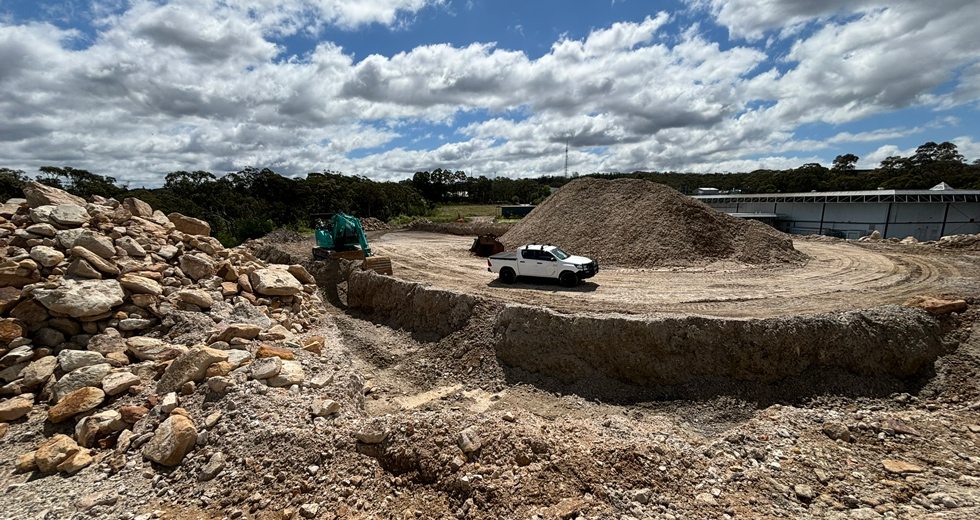
Dust Management, Dust Suppression, and Dust Control are critical components of environmental management in various industries. These practices are vital for maintaining a clean, safe, and environmentally responsible workspace. Understanding when and how to implement them is essential for industries where dust can pose health and environmental risks.

Dust management and suppression are essential across various industries and scenarios. They play a vital role in construction sites, controlling the significant dust generated during activities like demolition and excavation. Road construction and vehicular traffic in urban areas also contribute to dust emissions, making dust suppression crucial for improved air quality and road safety. Furthermore, dust control practices benefit residential areas by enhancing overall quality of life through the reduction of allergens.
A Dust Management Plan is a best practice for organisations that regularly deal with dust-related challenges. Construction sites, development projects, and demolition activities will benefit greatly from a proactive approach, with a plan outlining strategies, methodologies, and a schedule for managing and suppressing dust within the workplace. Implementing a Dust Management Plan is an investment in both the sustainability of your operations and the well-being of your team and the surrounding community through:
Our specialists are ready to guide you through every stage of your project—from initial assessment to final execution. Get expert advice that ensures safety, efficiency, and long-term performance.
Complete the form below and one of our team will get back to you within 24 hours.
Our FAQs are designed to provide clear, concise answers to common questions, helping you better understand our approach, services, and how we support projects from initial assessment through to delivery.
Dust control management involves the implementation of various strategies and techniques to minimise or eliminate the generation and dispersal of airborne dust particles. It aims to protect the environment, human health, and infrastructure from the negative impacts of dust emissions.
The choice of the best method for dust control depends on the specific circumstances. Water-based dust suppression, dust control chemicals, and dust collectors are often considered effective methods. The best method varies based on the type of dust, industry, and environmental factors.
Dust control in the workplace involves practices such as using dust suppressants, providing ventilation and air filtration, maintaining equipment to prevent dust emissions, and implementing proper worker training and safety measures.
Dust suppression refers to the use of various techniques and substances to reduce or eliminate the generation and dispersal of airborne dust particles. It aims to control dust emissions and mitigate their environmental and health impacts.
Dust suppression methods include using water-based sprays, dust control chemicals, windbreaks, vegetation, dust collectors, soil stabilisation, and vehicle/equipment modifications, among others. The choice of method depends on the specific requirements of the situation.
Examples of dust suppression techniques include applying dust control chemicals, using dust collectors, planting vegetative cover, implementing windbreaks, and utilising water-based sprays to reduce dust emissions in various industrial, construction, and environmental settings.
Whether you're early-stage or ready to build, this tool helps you work out what reports you need — and how to bundle them into a single site visit.
Fast. Free. Custom to your stage.


We provide sustainable contaminated land, remediation, and geotechnical consulting services across Australia.


