






Ambient air quality refers to the state of the outdoor air in a specific area, measured by the concentration of pollutants such as particulate matter (PM₁₀, PM₂.₅), ozone, nitrogen oxides, sulphur dioxide and carbon monoxide. Monitoring ambient air quality is essential for assessing environmental performance, protecting community health, and ensuring compliance with national standards in Australia.
Ambient air quality is the quality of the outdoor air surrounding us, determined by measuring pollutant concentrations in the atmosphere against established standards and guidelines. It reflects the combined influence of natural and human activities, including transport, industry, construction and land use. In Australia, ambient air quality is assessed under the National Environment Protection (Ambient Air Quality) Measure (AAQ NEPM), which sets national standards for key pollutants.
Poor air quality contributes to respiratory and cardiovascular diseases, allergies and reduced quality of life. Fine particulate matter (PM₂.₅) and nitrogen dioxide (NO₂) are among the most harmful pollutants, especially in urban and construction areas. Continuous monitoring ensures early detection and mitigation of health risks.
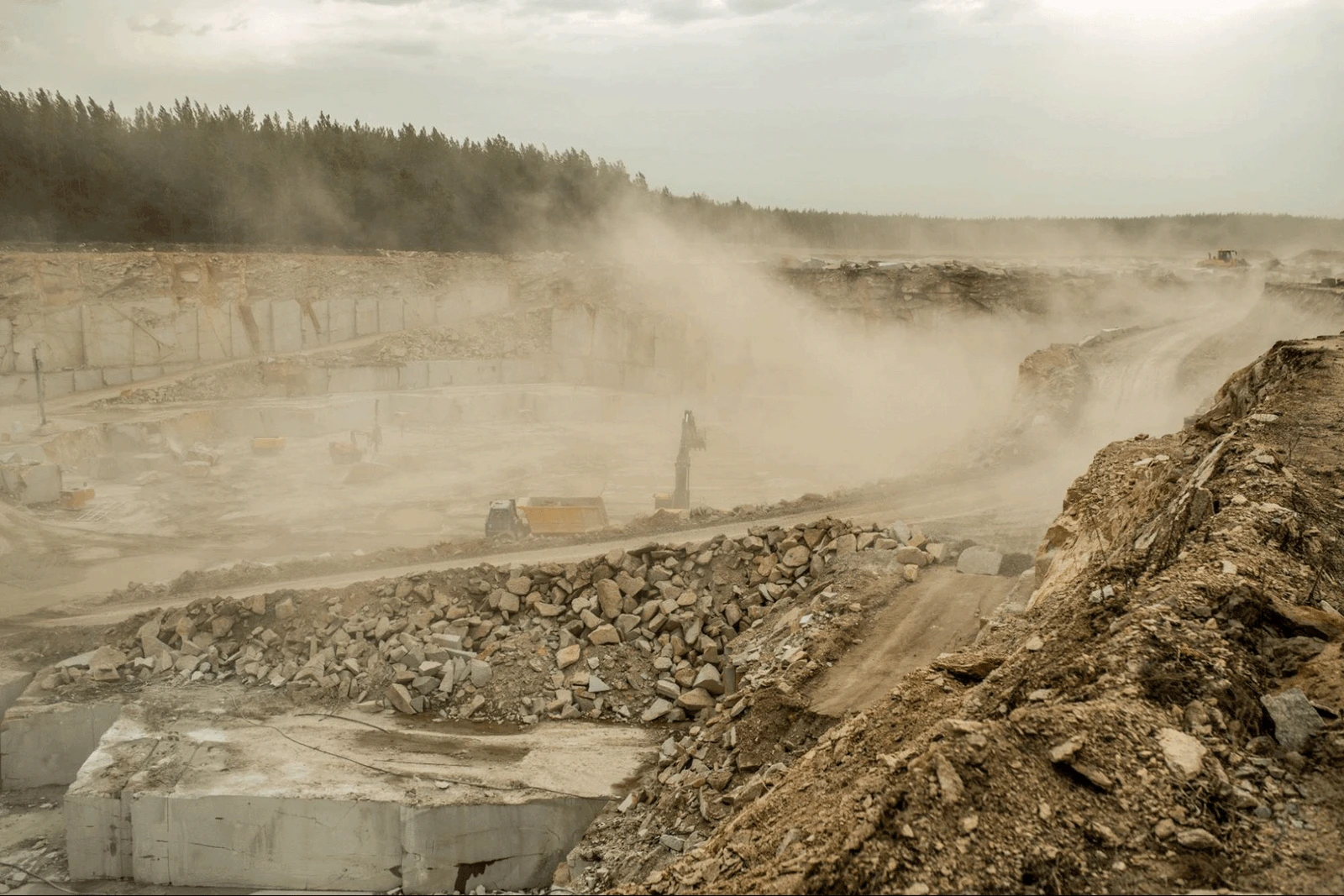
Monitoring ambient air quality ensures that projects meet EPA and planning conditions, particularly where emissions or dust generation could affect surrounding communities, ecosystems or protected areas. In industrial, construction or remediation contexts, maintaining compliance with NEPM and local air-quality objectives is a legal requirement.
Air-quality assessment and management are central to Environmental Impact Assessments (EIA) and project approvals. They demonstrate that emissions, dust and odours will be controlled to avoid breaching the Environment Protection Acts across Australian states. Ambient monitoring is also required during operations or remediation to verify that dust suppression and emissions controls are effective.
Ambient air quality data informs broader sustainability and greenhouse gas reduction initiatives by linking local emissions to atmospheric and climatic impacts.
Ambient air quality is assessed through a network of monitoring stations and project-specific monitoring systems.
Common parameters include:
Results are compared against NEPM standards or site-specific criteria to determine compliance and inform management actions.
At Nova Group Pacific, we deliver integrated air-quality consulting services for projects across Australia, ensuring compliance with national and state standards while supporting health, safety and sustainability goals.
Our services include:
Contact Nova Group Pacific to ensure your air-quality monitoring program meets regulatory standards, protects community health and strengthens environmental performance.
Whether you need site assessment, remediation, or environmental consulting, our expert team is here to guide your project from planning to completion with precision and care.
Whether you're early-stage or ready to build, this tool helps you work out what reports you need — and how to bundle them into a single site visit.
Fast. Free. Custom to your stage.


We provide sustainable contaminated land, remediation, and geotechnical consulting services across Australia.