Introduction: why EPA audit triggers matter
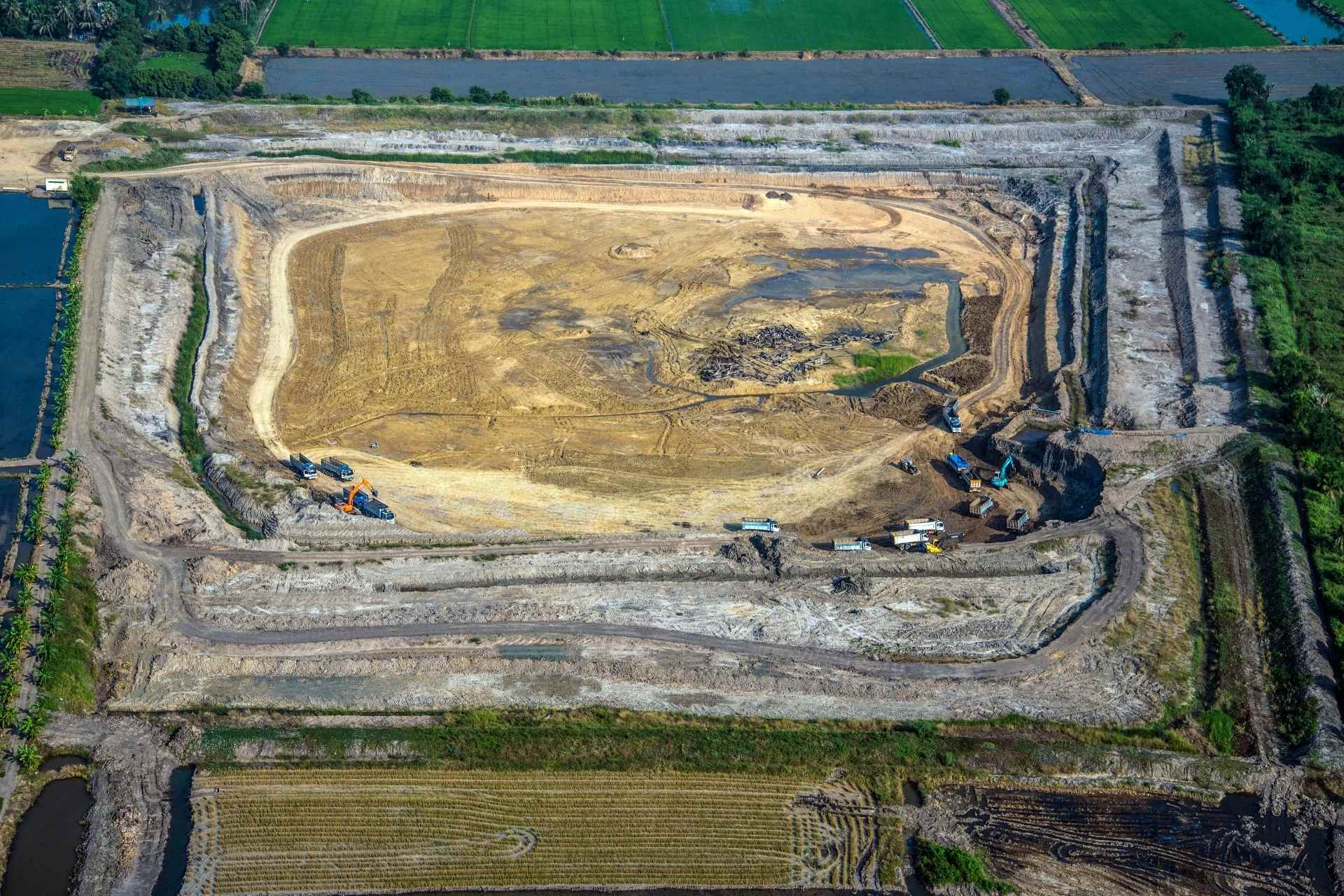
Contaminated land is a well-established risk area in NSW planning and development. While most projects proceed through local council and planning authority processes, certain conditions can prompt increased scrutiny by the NSW Environment Protection Authority (EPA).
These EPA audit triggers on contaminated land developments are not always obvious. In many cases, projects escalate unintentionally due to documentation gaps, remediation uncertainty or poor alignment between planning approvals and environmental controls.
From our experience supporting remediation and compliance projects, the difference between a smooth approval and a stalled development often comes down to preparedness. Knowing when and why the EPA or a site auditor becomes involved allows project teams to manage risk proactively rather than reactively.
Audit trigger points in NSW contaminated land developments
EPA involvement is not random. It is typically driven by specific triggers linked to risk, uncertainty or non-compliance.
High-risk land use changes
One of the most common triggers occurs when a development proposes a sensitive land use on land with known or suspected contamination. This includes transitions to:
- Residential developments
- Childcare, schools or aged care facilities
- Public open space or community uses
Where contaminant profiles or exposure pathways are complex, regulators may seek independent assurance from a site auditor accredited under the NSW Site Auditor Scheme to confirm site suitability.
Incomplete or inconsistent contamination assessments
EPA attention is often triggered when environmental assessment documentation shows gaps or inconsistencies, such as:
- Limited site investigation where historical use indicates higher risk
- Unclear contaminant source or extent delineation
- Mismatch between assessment findings and remediation strategy
- Reliance on outdated or non-site-specific data
These issues increase uncertainty and can prompt a request for auditor involvement or further review.
Remediation complexity or uncertainty
Projects involving complex remediation techniques or long-term management measures are more likely to attract scrutiny. This includes:
- In situ remediation with performance uncertainty
- Use of capping or containment systems relying on future maintenance
- Off-site disposal of contaminated materials with tracking and classification risks
Where remediation outcomes are critical to development approval, a contaminated land audit process may be required to independently verify that objectives have been met.
Regulatory referrals and complaints
EPA audits can also be triggered through external pathways, including:
- Referrals from planning authorities or councils
- Workplace health and safety concerns
- Community complaints or odour, dust or contamination incidents
- Non-compliance identified during unrelated inspections
Once regulatory attention is drawn to a site, the threshold for escalation is significantly lower.
Start with a Smart Compliance Check
Scope Your Site Requirements in Minutes
Whether you're early-stage or ready to build, this tool helps you work out what reports you need and how to bundle them into a single site visit.
Fast. Free. Custom to your stage.
Start Quick Planning Tool
Escalation risks if issues are not managed early
Audit triggers are not static. When early issues are not resolved, they can escalate rapidly, increasing cost, delay and reputational risk.
From planning condition to statutory audit
What begins as a planning condition requiring further investigation can escalate into formal EPA involvement if:
- Timeframes are missed
- Remediation deviates from the approved strategy
- Validation evidence is inadequate or disputed
At this point, the project may be required to undergo a formal remediation compliance audit, with independent verification becoming mandatory rather than optional.
Commercial and program impacts
Escalation has tangible consequences for developers and asset owners, including:
- Construction delays while audit requirements are clarified
- Increased consultant, auditor and legal costs
- Reduced flexibility in remediation methods
- Delays to occupation certificates or subdivision registration
For commercial developments, these impacts often translate directly into holding costs and lost revenue.
Reputational and governance risk
EPA involvement also raises governance expectations. For government, institutional and listed entities, audit findings can affect:
- Environmental, social and governance (ESG) reporting
- Insurance negotiations
- Stakeholder confidence
- Future approvals on other sites
Managing audit risk is therefore not just a technical exercise, but a strategic one.
The role of EPA site auditor involvement
Understanding when and how EPA site auditor involvement occurs is essential for audit-ready planning.
What site auditors do
NSW EPA-accredited site auditors provide independent review and certification of contaminated land work. Their role is not to design remediation, but to verify that:
- Investigations adequately characterise contamination
- Remediation strategies are appropriate for the proposed land use
- Works have been implemented in accordance with approvals
- Validation demonstrates suitability for use
Auditors provide assurance to regulators that decisions are based on robust evidence.
When auditors are typically required
Site auditor involvement may be:
- Mandated as a condition of consent
- Requested by the EPA or planning authority
- Voluntarily engaged to manage risk on complex sites
Early, voluntary engagement often reduces overall risk and improves regulator confidence, particularly on high-profile or sensitive developments.
Common friction points
Projects run into difficulty when auditors are engaged late, after key decisions are already locked in. This can lead to:
- Requests for additional investigation after remediation has commenced
- Challenges to remediation design assumptions
- Disputes over validation criteria
These risks highlight the value of audit-aligned planning from the outset.
Audit-ready preparation: how to reduce EPA risk
Being audit-ready does not mean assuming an audit will occur. It means structuring your project so that, if scrutiny arises, the evidence stands up.
Clear conceptual site models
A defensible conceptual site model underpins all contaminated land decisions. This includes:
- Clear identification of sources, pathways and receptors
- Logical linkage between investigation findings and remediation actions
- Explicit consideration of current and proposed land uses
Auditors and regulators consistently focus on whether decisions flow logically from evidence.
Alignment between planning, remediation and validation
One of the most common audit issues we see is misalignment between documents prepared at different project stages. Audit-ready projects ensure:
- Remediation strategies align with consent conditions
- Validation criteria reflect remediation objectives
- Ongoing management measures are clearly documented
Consistency across reports is critical.
Proportionate but sufficient investigation
Over-investigation is inefficient, but under-investigation creates audit risk. The goal is proportionate assessment that:
- Addresses known and plausible risks
- Justifies data gaps where appropriate
- Clearly explains limitations and uncertainties
This balanced approach is far more defensible than minimal compliance.
Early auditor-informed thinking
Even where a site auditor is not formally engaged, preparing documentation as if it will be independently reviewed improves quality and reduces escalation risk.
This includes:
- Transparent assumptions
- Clear justification for remediation choices
- Robust validation frameworks
From our experience, projects that adopt this mindset are far less likely to trigger formal audits.
Conclusion: managing EPA audit risk is part of good project governance
EPA audit triggers are not something to fear, but they must be understood. In contaminated land developments, audit risk increases where uncertainty, inconsistency or misalignment exists between assessment, remediation and planning outcomes.
By understanding common trigger points, recognising escalation risks, and preparing audit-ready documentation, developers and landowners can significantly reduce delays and compliance challenges.
At Nova Group Pacific, we support clients through the full contaminated land lifecycle, including audit-informed assessment, remediation planning and regulator engagement. If your project involves contaminated land and you want clarity on EPA audit triggers or site auditor requirements, we can help you manage risk proactively and keep your development moving.
Contact our team to discuss audit-ready strategies for your contaminated land development.