Introduction
Environmental compliance is one of the most critical — and often underestimated — risks on Australian construction sites. While approvals and environmental management plans are typically in place before work begins, compliance failures rarely occur because documentation is missing. They occur because environmental risks are not actively managed as site conditions change.
With increasing enforcement by state EPAs and local authorities, construction projects are expected to demonstrate not only compliance on paper, but effective, ongoing environmental risk management in practice.
This article explains what environmental compliance means in a construction context, who is responsible, where projects commonly fail, and how compliance can be realistically maintained, particularly during high-risk activities such as earthworks.
What Is Environmental Compliance on a Construction Site?
Environmental compliance on a construction site means meeting all environmental obligations that apply to the project for the duration of the works.
In Australia, this typically includes compliance with:
- Environmental protection legislation and EPA requirements
- Development approvals and environmental conditions of consent
- Environmental Management Plans (EMPs or CEMPs)
- Pollution prevention, monitoring, and reporting obligations
In practical terms, compliance is about preventing construction activities from causing environmental harm. Construction sites interact directly with soil, groundwater, surface water, and surrounding communities. Without appropriate controls, activities such as excavation, material handling, and vehicle movements can quickly result in pollution incidents or off-site impacts.
Importantly, a site can move in and out of compliance over time. Controls that are adequate during early works may become ineffective as work fronts shift, weather conditions change, or construction programs accelerate.
Read more in our article Environmental Compliance on Operational Infrastructure Sites
Who Is Responsible for Environmental Compliance on Site?
Environmental compliance is a shared responsibility across the project team, but legal accountability is not unclear or optional.
- Developers and principals are responsible for ensuring approval conditions are met
- Head contractors generally hold responsibility for implementing environmental controls and managing day-to-day compliance
- Subcontractors are required to follow environmental requirements relevant to their scope of work
Although responsibilities can be delegated contractually, liability cannot be outsourced. Regulators may take enforcement action against any party whose actions — or inaction — contribute to environmental harm. This is why clear allocation of responsibilities, site inductions, and ongoing oversight are essential.
Start with a Smart Compliance Check
Scope Your Site Requirements in Minutes
Whether you're early-stage or ready to build, this tool helps you work out what reports you need and how to bundle them into a single site visit.
Fast. Free. Custom to your stage.
Start Quick Planning Tool
Environmental Compliance Responsibilities for Contractors
Contractors are responsible for translating environmental approvals and management plans into practical, on-site controls. Because they directly manage construction activities, their role is critical in preventing environmental risks from becoming compliance breaches.
Environmental compliance requires active management throughout the project: contractors must continually assess site conditions and adjust controls accordingly.
Key contractor responsibilities typically include:
- Implementing the Construction Environmental Management Plan (CEMP)
- Delivering environmental inductions and ongoing toolbox talks
- Installing, maintaining, and adjusting environmental controls as works progress
- Monitoring site conditions during high-risk activities
- Maintaining accurate inspection, monitoring, and incident records
- Reporting and responding to incidents, exceedances, and unexpected finds
Projects with strong compliance outcomes are usually led by supervisors who treat environmental risk with the same discipline as safety risk — as something that requires constant attention, not periodic review.
Common Environmental Compliance Issues in Construction
Most environmental compliance issues arise during periods of change rather than during stable construction phases, particularly on complex or fast-moving projects.
Frequent issues include:
- Inadequate erosion and sediment controls leading to off-site impacts
- Disturbance of contaminated soils without proper management
- Dust and noise levels exceeding approval limits
- Poor waste handling or storage of hazardous materials
- Lack of environmental monitoring or incomplete documentation
Many compliance failures occur due to reactive management rather than proactive planning. Addressing environmental risks early significantly reduces the likelihood of regulatory action and project disruption.
Avoid compliance issues before they arise: request a tailored scope and quote for your project.
Environmental Compliance During Earthworks
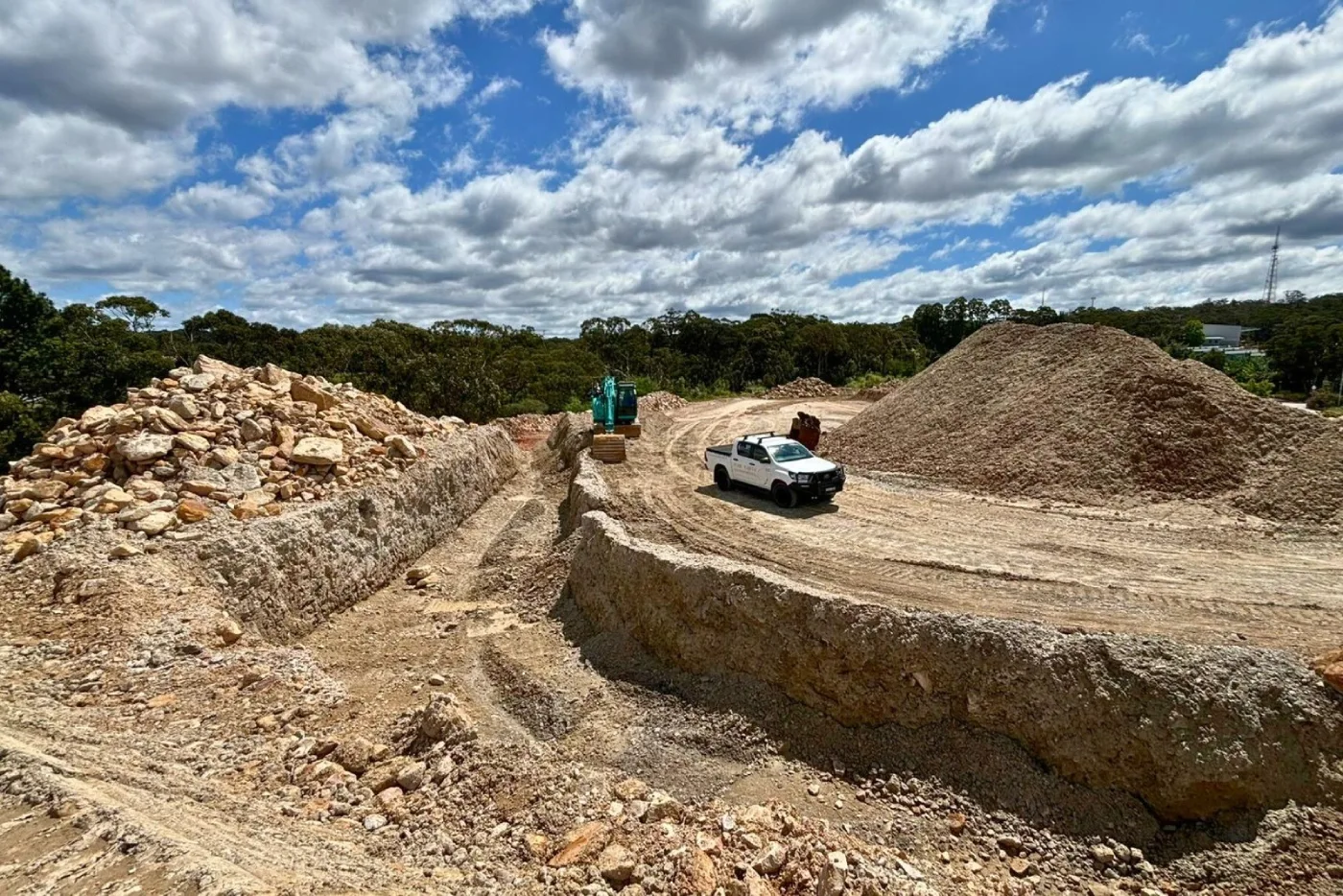
Earthworks consistently present the highest environmental compliance risk on construction projects.
Large-scale soil disturbance increases the likelihood of sediment-laden runoff, dust generation, and exposure of contaminated or acid sulfate soils. Excavation can also intercept groundwater, creating additional obligations around dewatering and discharge.
Effective compliance during earthworks depends heavily on early planning. Environmental and geotechnical investigations undertaken before construction provide critical information about soil conditions, contamination risks, and groundwater behaviour.
Sites that treat earthworks purely as a construction activity, without adequate environmental oversight, are significantly more likely to attract regulatory attention.
How to Maintain Environmental Compliance Throughout a Project
Maintaining environmental compliance requires active management throughout the life of a project.
Projects that consistently perform well typically have:
- Clear, site-specific construction environmental management plans
- Regular inspections tied to construction activities
- Monitoring during high-risk stages such as earthworks
- Accurate records that demonstrate ongoing compliance
Independent environmental oversight at key stages provides an additional safeguard and helps identify emerging risks before they result in non-compliance.
The Role of Environmental Consultants in Construction Compliance
Environmental consultants support construction projects by providing specialist technical advice, independent monitoring, and regulatory guidance. Their involvement is particularly valuable during earthworks, contaminated land management, and projects located near sensitive receptors such as waterways or residential areas.
Engaging environmental specialists early allows compliance requirements to be integrated into construction planning, reducing the likelihood of enforcement action, delays, or costly remediation later in the project.
Conclusion
Environmental compliance on construction sites is not achieved through documentation alone. It requires continuous risk identification, practical controls, and informed decision-making as site conditions evolve.
With increasing regulatory scrutiny across Australia, construction projects that take a proactive, informed approach to environmental compliance are far better positioned to avoid enforcement action, minimise delays, and deliver successful outcomes.
If you need support managing environmental compliance on a construction project, obtaining a clear scope and early advice can help reduce risk before issues arise.
Contact our team to discuss your project requirements and request a tailored scope and quote for environmental and geotechnical support, including compliance monitoring, inspections, and specialist advice during construction.
Frequently Asked Questions
What happens if a construction site is not environmentally compliant?
Environmental non-compliance can lead to EPA notices, fines, stop-work orders, mandatory remediation, and project delays. In more serious cases, regulators may take legal action against the parties responsible for the breach.
Who is responsible for environmental compliance on a construction site?
Environmental compliance is a shared responsibility between the developer, head contractor, and subcontractors. While specific tasks can be delegated, legal accountability for compliance cannot be transferred.
Do all construction projects in Australia require environmental compliance?
Yes. All construction projects in Australia must comply with environmental legislation. The level of compliance required depends on the size of the project, its location, and the environmental risks involved.
What are the most common environmental compliance issues in construction?
Common environmental compliance issues include inadequate erosion and sediment control, dust and noise exceedances, poor waste management, and improper handling of contaminated soils during construction activities.
Why is environmental compliance critical during earthworks?
Earthworks involve significant soil disturbance, which increases the risk of runoff, contamination, and off-site impacts. Proper planning, effective controls, and ongoing monitoring are essential during this stage to prevent compliance breaches.









.jpg)


