







Introduction
Incorrect waste classification can have serious environmental and financial consequences. In New South Wales, mismanagement of contaminated materials not only increases the risk of pollution but also leads to fines, delays, and costly remediation.
In this article, we break down the impacts of waste misclassification and highlight a real project that demonstrates why accurate classification is critical to both compliance and budget outcomes.
What Are the Environmental Consequences of Waste Misclassification?
When waste is incorrectly classified, it may be transported, handled, or disposed of in a way that causes harm to the environment. Key risks include:
- Soil and groundwater contamination from hazardous materials mislabelled as general fill
- Illegal dumping or non-compliant disposal, leading to long-term site degradation
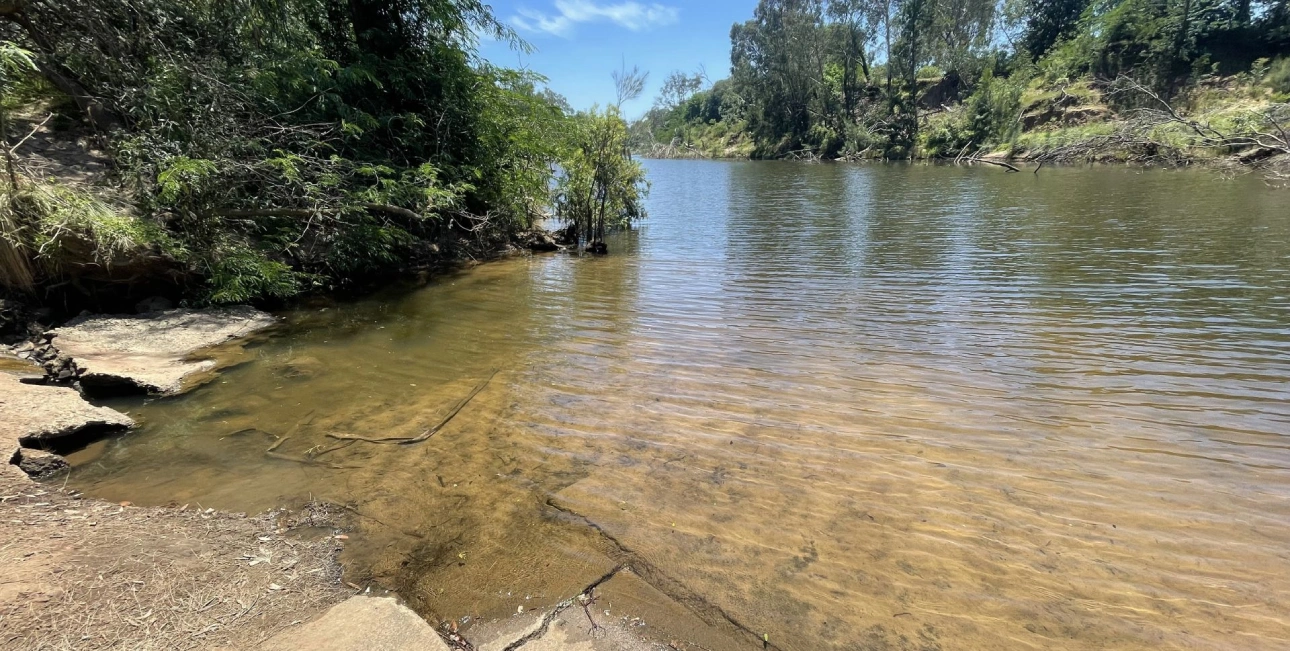
- Ecological harm when pollutants leach into nearby waterways or sensitive habitats
These environmental issues often require extensive remediation — and can trigger regulatory intervention and reputational damage for developers and operators.
How Does Misclassification Affect Project Costs?
The financial implications of poor waste classification can be significant:
- Regulatory fines for non-compliance with NSW EPA guidelines
- Increased disposal costs if waste is unnecessarily sent to licensed facilities
- Project delays caused by disputes over material classification or rejected waste loads
- Remediation and rework to address environmental damage after the fact
Accurate classification not only avoids these risks but also enables smarter, cost-effective material handling and disposal strategies.
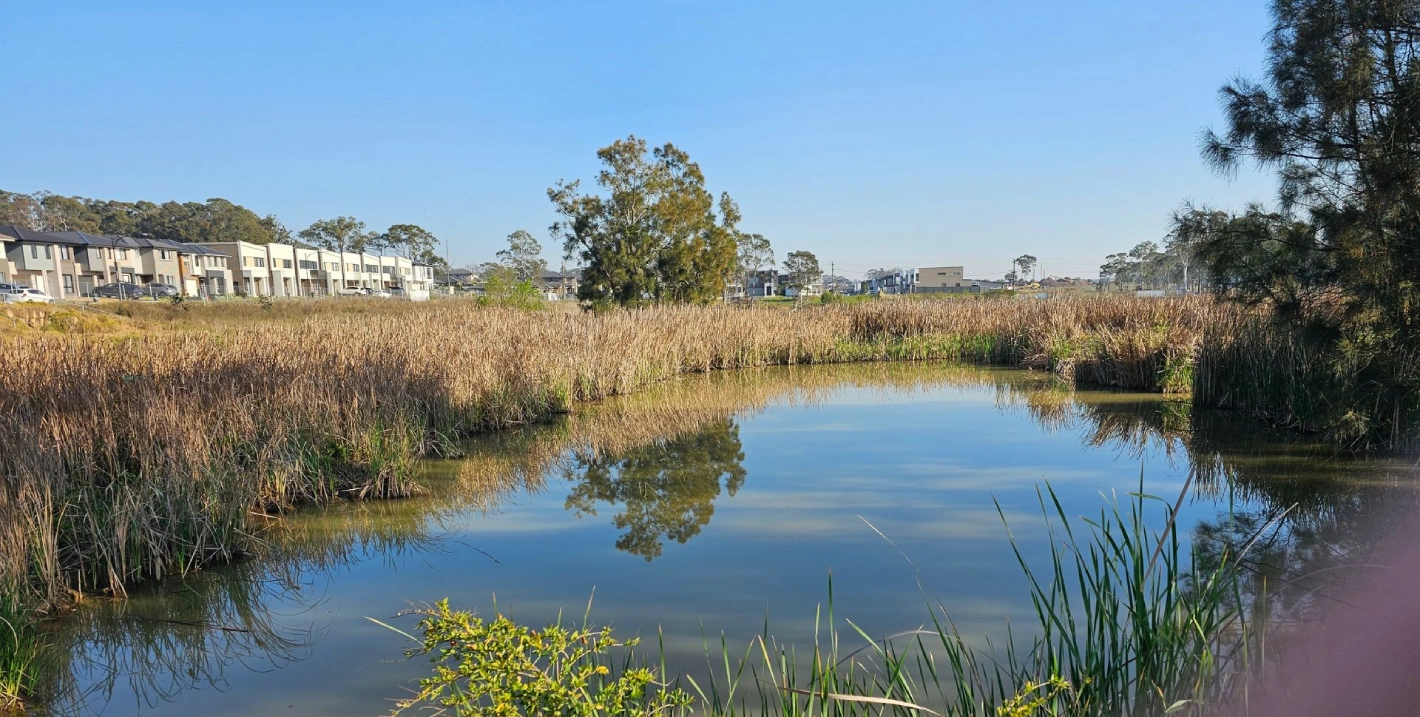
Case Study: Riverstone Stormwater Management Basin
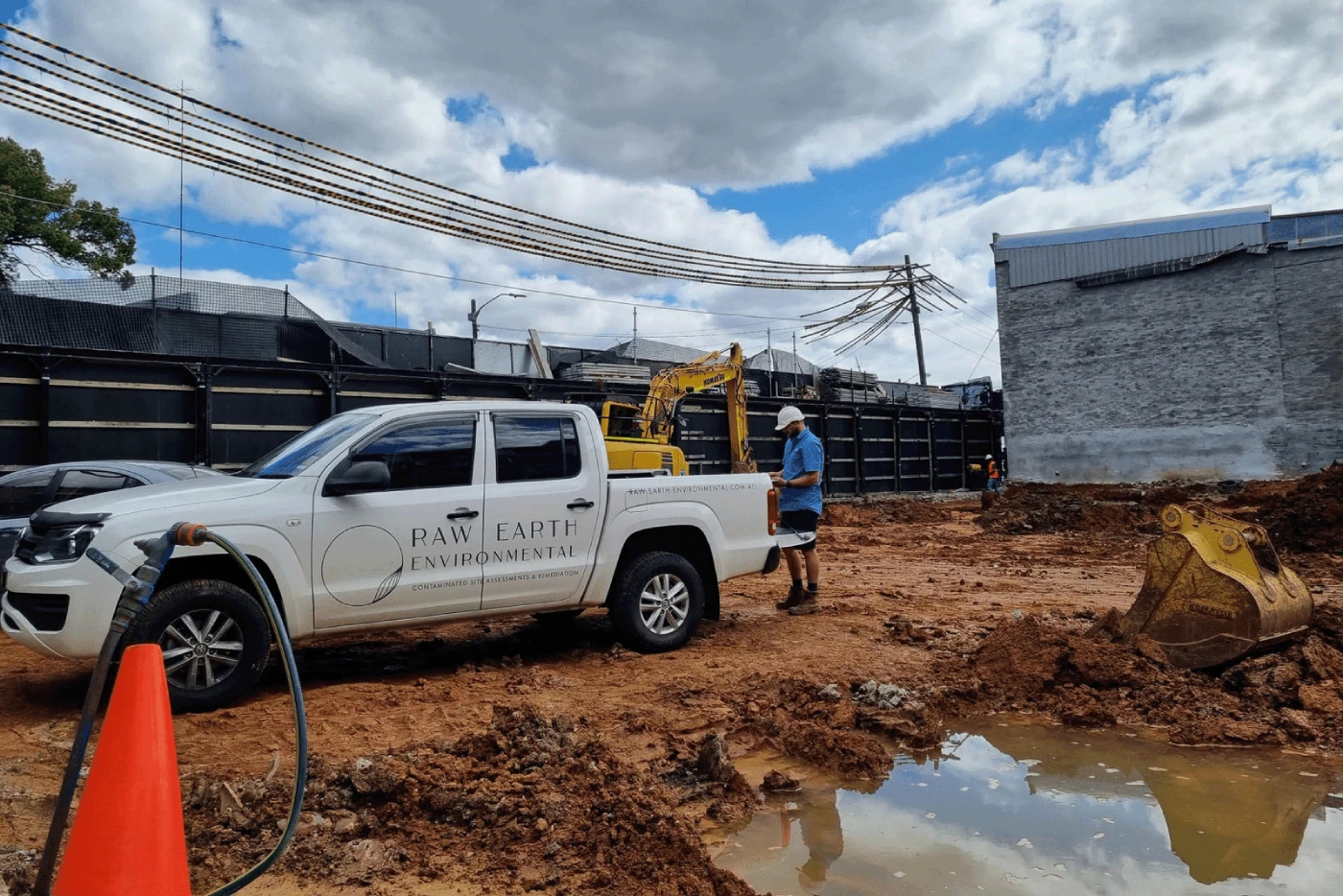
As part of a large-scale infrastructure upgrade in Sydney’s north-west growth corridor, Nova Group Pacific was engaged to conduct soil waste classification works for a new stormwater management basin.
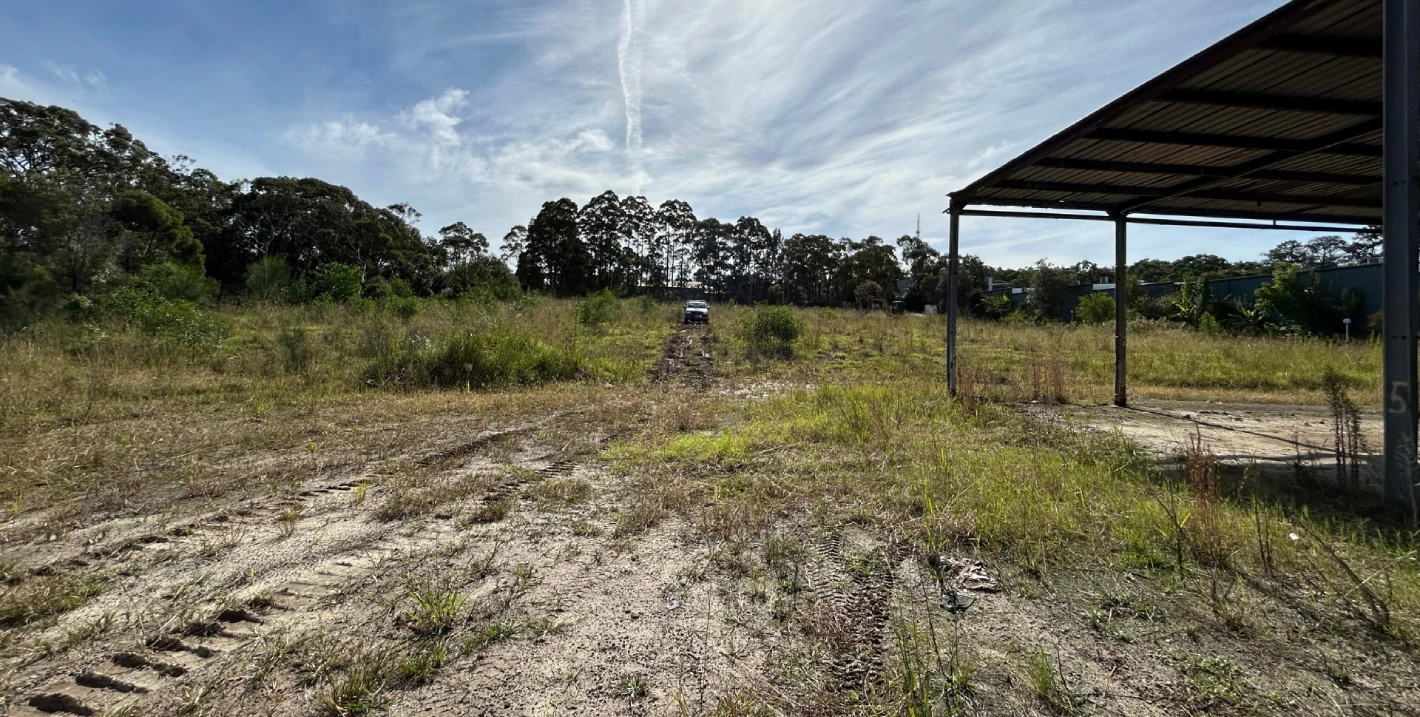
The site involved significant earthworks, and the materials being excavated required assessment to determine appropriate disposal pathways. Misclassification in projects like this could result in clean fill being rejected or contaminated material being reused inappropriately.