







Urban construction projects in Australia face increasing scrutiny as regulatory bodies enforce stricter environmental compliance measures. Recent legislative changes have introduced new requirements for air quality, water management, and noise and vibration monitoring, making it essential for construction professionals to implement robust environmental monitoring strategies.
Failure to comply can result in significant fines, project delays, and reputational damage. This article explores key compliance challenges, the latest regulatory updates, and best practices for ensuring environmental standards are met in Sydney and other urban areas.
What Are the Key Environmental Compliance Requirements for Urban Construction Projects?
In Australia, construction projects must adhere to strict environmental regulations set by the NSW Environment Protection Authority (EPA) and local councils. The primary compliance areas include:
- Air Quality Management – Regulations mandate real-time dust monitoring and control measures to prevent particulate pollution.
- Water Quality Protection – Runoff and stormwater must comply with NSW stormwater management standards to prevent contamination.
- Noise and Vibration Monitoring – Projects must operate within permissible noise and vibration limits, especially in residential areas.
- Waste Management and Soil Classification – Proper classification, handling, and disposal of waste are required under the NSW Waste Classification Guidelines.
- Biodiversity and Habitat Protection – Some projects require environmental impact assessments (EIA) to safeguard ecosystems.
Recent Legislative Updates:
The Protection of the Environment Operations (POEO) Act 1997 has seen amendments strengthening enforcement powers. Construction sites exceeding a certain scale (e.g., >5 hectares) now require continuous real-time environmental monitoring. Additionally, the Environmental Planning and Assessment (EPA) Act 1979 imposes stricter reporting requirements on developers to ensure sustainable practices.
Read more in our article Innovative Urban Environmental Management
How Can Construction Projects Effectively Monitor and Control Dust Emissions?
Urban construction sites generate significant dust, which can pose health risks and violate air quality regulations. The NSW EPA requires particulate matter (PM10) levels to remain below 50 µg/m³ over 24 hours.
Best Practices for Dust Control:
- Real-Time Dust Monitoring – Advanced systems like Aeroqual and DustTrak provide live data on air quality, helping construction managers take immediate action.
- Dust Suppression Techniques – Using water sprays, polymer binders, and vegetative ground cover can significantly reduce airborne particles.
- Enclosed Work Zones – Barriers and temporary enclosures prevent dust from spreading to nearby residential areas.
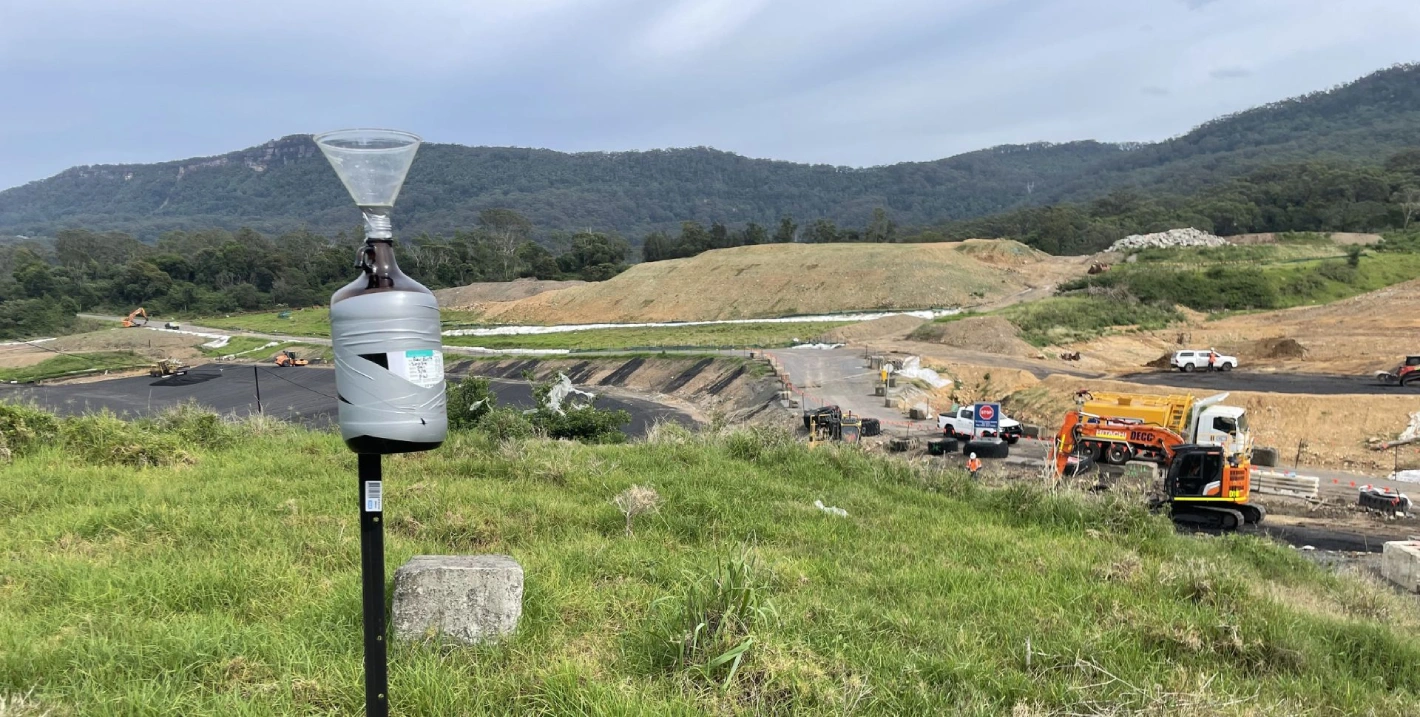
Case Study: Wollongong Waste Facility
At the Wollongong Waste Facility, real-time monitoring and targeted dust suppression helped reduce airborne dust levels, ensuring full compliance with EPA standards.
What Are the Best Strategies for Managing Water Quality on Construction Sites?
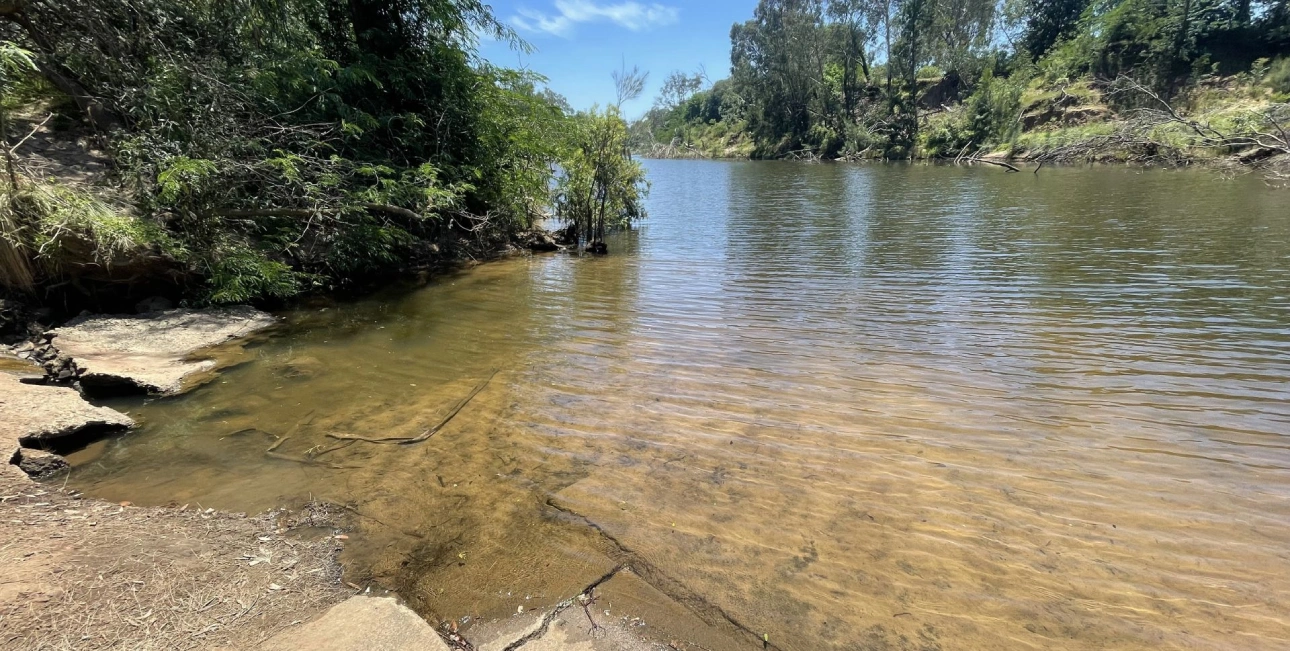
Poor stormwater management can lead to soil erosion, sediment pollution, and contamination of local waterways. NSW construction sites must adhere to stormwater discharge limits set by the EPA to prevent environmental harm.
Key Strategies for Water Compliance:
- Erosion and Sediment Control Plans (ESCPs) – Implement silt fences, sediment basins, and buffer zones to minimise runoff pollution.
- Stormwater Monitoring Programs – Regular turbidity testing and pollutant tracking ensure that water discharged from the site meets regulatory standards.
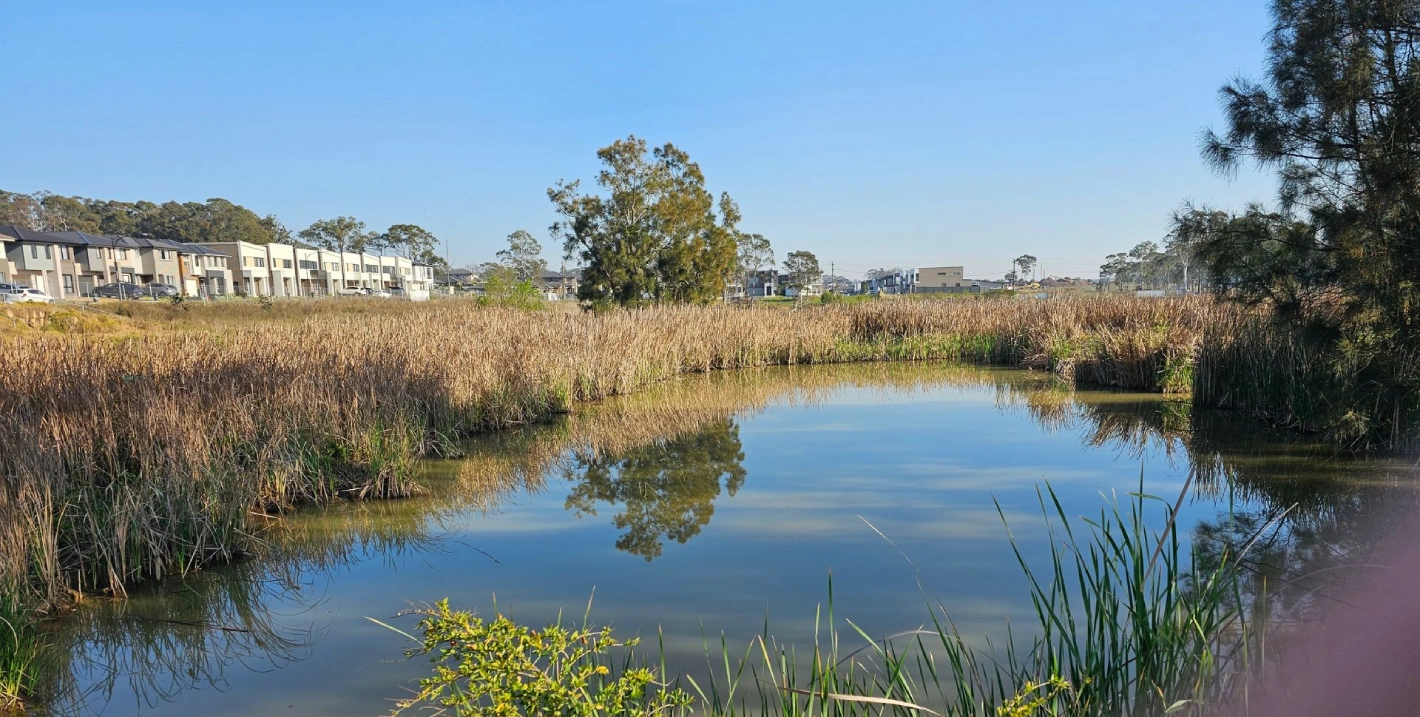
- On-Site Water Treatment – Technologies like coagulation-flocculation and constructed wetlands improve water quality before release.