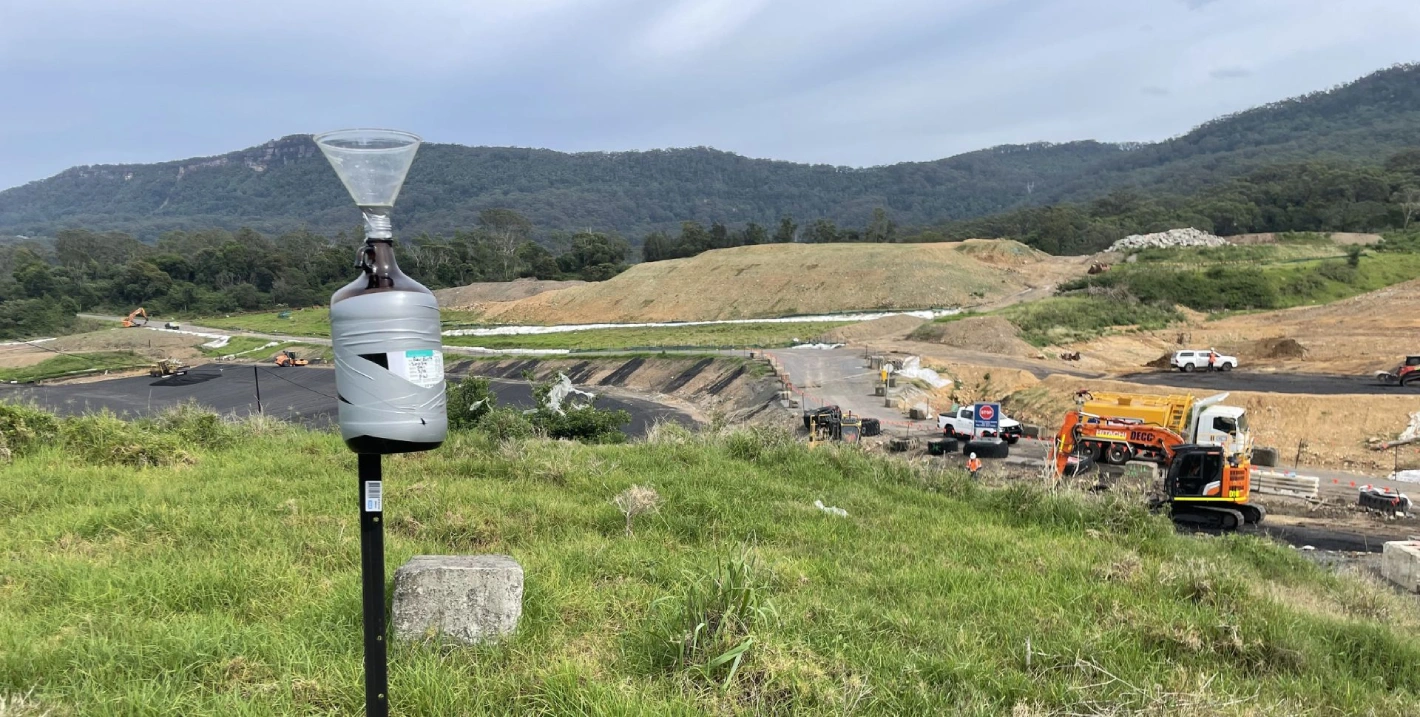








Construction activities, especially in densely populated urban areas like Sydney, bring with them significant environmental challenges. Managing noise and dust on construction sites is not only essential for meeting environmental regulations but also for maintaining community trust and ensuring worker safety. This article outlines advanced techniques for controlling noise and dust emissions, providing real-world examples and strategies that can help you achieve compliance while maintaining cost-effectiveness.
Why is Environmental Monitoring Crucial on Construction Sites?
Environmental monitoring plays a pivotal role in ensuring that construction projects comply with strict regulations while minimising impacts on surrounding communities. In cities like Sydney, where environmental guidelines are heavily enforced, monitoring helps prevent costly fines, project delays, and negative impacts on public health.
By consistently tracking noise levels, particulate matter, and vibrations, construction companies can make real-time adjustments to their operations. For instance, monitoring tools allow for immediate action, such as increasing dust suppression during dry, windy periods or adjusting the timing of loud machinery to avoid peak hours.
Case Study
On a Sydney CBD high-rise project, real-time noise and dust monitoring helped the contractor stay within EPA noise limits, avoiding penalties and maintaining positive community relations. By using water-based dust suppression and strategically scheduling operations, they achieved a 25% reduction in neighbourhood complaints.
For more about environmental monitoring, visit our Construction and Environmental Monitoring Services.
What Are the Most Effective Methods for Noise Mitigation on Construction Sites?
Effective noise mitigation is crucial, especially in areas with strict noise regulations like Sydney. Implementing the right strategies ensures compliance and keeps surrounding communities from being unduly disturbed.
Noise Barriers and Acoustic Screens
Temporary noise barriers, such as acoustic curtains or solid walls, are effective for shielding nearby residents from high-decibel activities. These barriers not only absorb sound but can also be moved or reconfigured as needed throughout the construction phase.
Use of Low-Noise Equipment
Modern advancements in construction technology mean that quieter equipment is now widely available. Electric-powered excavators and machinery significantly reduce noise levels compared to their diesel-powered counterparts, making them ideal for projects in residential or urban areas.
Operational Timing
In busy cities like Sydney, certain regulations govern the hours when noisy construction activities can take place. Adjusting the work schedule to confine high-noise tasks to specific times of day, such as between mid-morning and late afternoon, can help reduce noise impacts and improve compliance.
Case Study
A Sydney-based commercial project mitigated noise by using electric-powered equipment and erecting movable noise barriers around high-noise operations. This, combined with noise monitoring and operational adjustments, reduced complaints by 30%.
To learn how we can help reduce noise on your project, explore our services.
How Can Dust Be Controlled and Reduced During Construction?
Dust pollution is a significant concern on construction sites, particularly in urban areas where nearby residents may be affected. Uncontrolled dust can lead to respiratory issues, environmental degradation, and potential fines for non-compliance.
Read more in our article Haul Road Environmental Controls for Dust, Water & Sediment
Water-Based Dust Suppression
Regular spraying of water over exposed soil and dusty surfaces can dramatically reduce airborne dust particles. Water trucks and hoses are particularly useful during dry weather conditions, ensuring that dust does not become airborne and affect nearby properties or construction workers.
Chemical Dust Suppressants
For larger projects or long-term construction sites, chemical dust suppressants offer a more durable solution. These agents bind with the dust particles, preventing them from being dispersed into the air. They are highly effective on heavily trafficked areas such as roads and entryways where dust levels tend to be highest.
Covering Exposed Materials
Stockpiled materials such as sand, gravel, or soil should be covered with tarps or plastic sheets to prevent wind erosion. This not only reduces dust but also protects these materials from weathering.