







Asbestos soil testing and monitoring are crucial for managing construction projects in Sydney, Wollongong, and Byron Bay, where regulatory compliance and safety are paramount. Given the historical use of asbestos in construction, understanding the latest testing and monitoring techniques is essential for ensuring the safety and success of your projects.
What is Asbestos and Why is It Dangerous?
Asbestos is a group of naturally occurring mineral fibres that were commonly used in construction materials due to their durability and resistance to heat. However, when asbestos fibres are disturbed, they can become airborne and inhaled, leading to serious health issues such as lung cancer, asbestosis, and mesothelioma. In NSW, asbestos-related diseases have been a significant concern, leading to stringent regulations. Understanding these local implications helps in planning and executing safe construction projects.
How is Asbestos Soil Sampling Conducted?
Soil sampling is the first step in asbestos testing. Proper sampling ensures accurate results and involves the following steps:
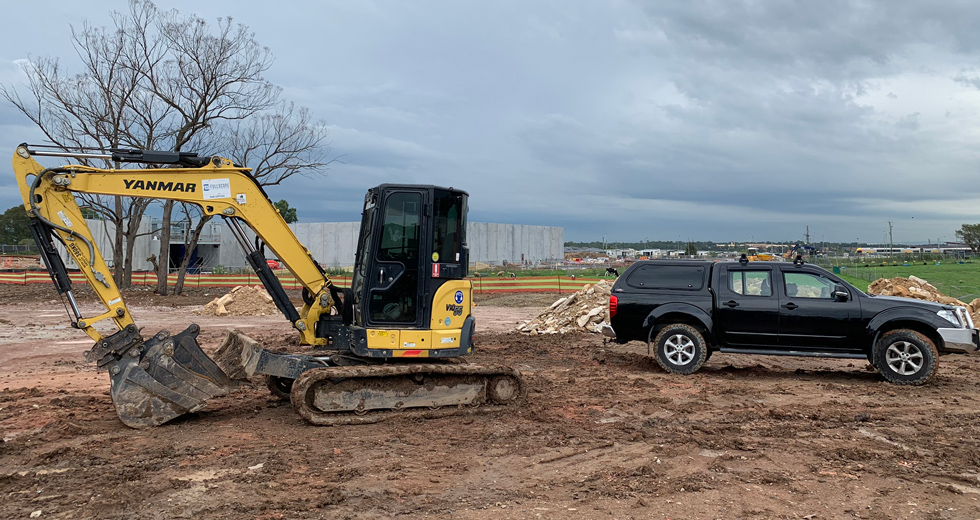
- Site Assessment: Before sampling, the site is assessed to identify potential hotspots where asbestos might be present. This includes areas with historical industrial use or previous demolition activities. In NSW, it’s common to find asbestos in areas where older buildings have been demolished or renovated.
- Sample Collection: Using tools such as trowels or spades, soil samples are collected from various depths and locations. Each sample typically weighs about 2kg. Tools are cleaned between collections to prevent cross-contamination. Standard practices in Sydney involve taking samples from multiple locations to ensure comprehensive testing.
- Documentation: Detailed records are kept, including ground and site conditions, photographs, and precise locations of each sample. This information forms part of a comprehensive soil sampling report.

.jpg)