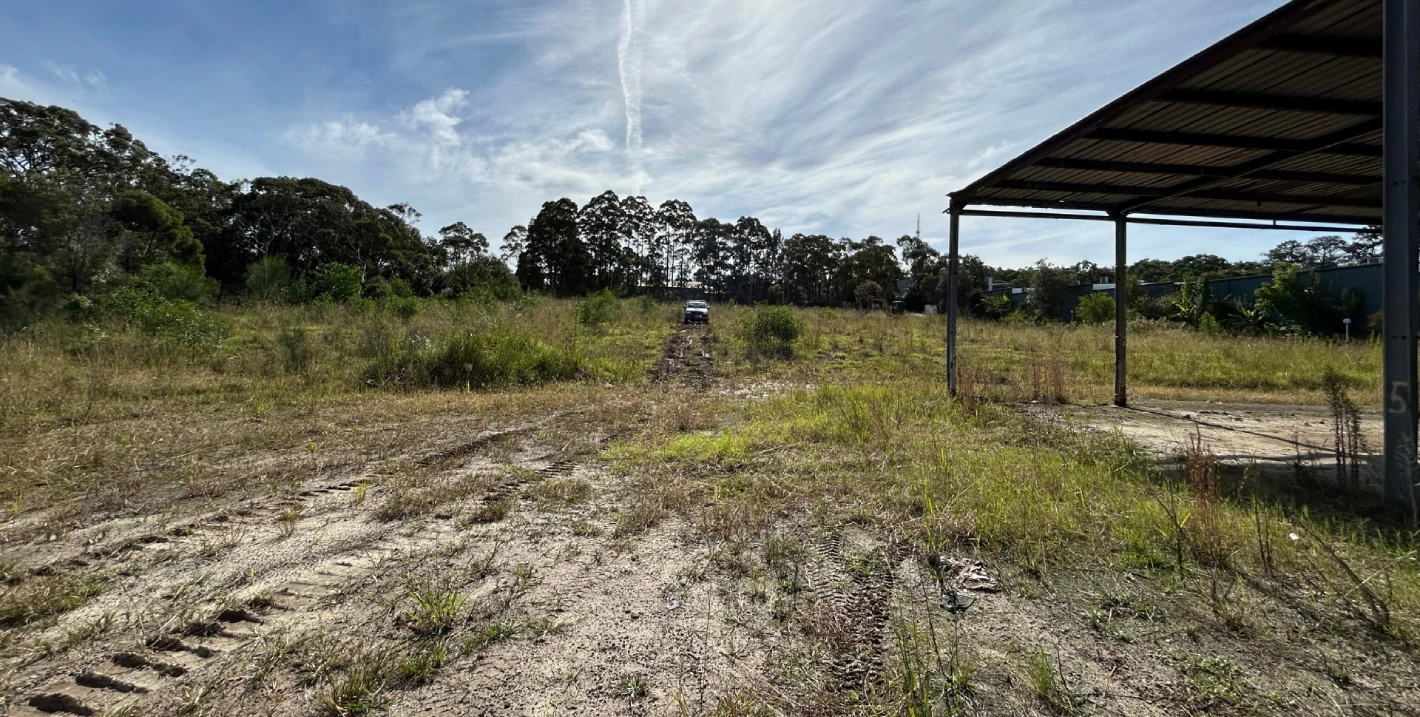








Soil and waste classification play pivotal roles in construction and environmental projects, particularly in New South Wales (NSW), Australia. Accurate classification is essential for ensuring compliance with regulatory standards and optimising project outcomes. In this analysis, we delve into the cost-benefit considerations associated with different classification strategies, highlighting the significance of laboratory analysis in achieving accurate results.
The Importance of Soil and Waste Classification
Soil and waste classification involve categorising materials based on their physical and chemical properties. This classification informs decisions regarding disposal methods, reuse potential, and environmental management strategies. In NSW, adherence to classification guidelines is mandated to mitigate environmental risks and ensure public safety.
Cost-Benefit Analysis
Laboratory Analysis vs. Alternative Methods
Laboratory analysis remains the gold standard for soil and waste classification due to its accuracy and reliability. While alternative methods such as visual assessment, field testing, or portable analytical devices may offer apparent cost and time savings initially, they often lack the precision necessary for informed decision-making.
Visual Assessment
Visual assessment involves the qualitative evaluation of soil and waste materials based on their appearance, texture, and odour. While this method is quick and inexpensive, it is subjective and prone to errors. Visual assessment alone cannot detect hidden contaminants or accurately determine material properties, making it unsuitable for comprehensive classification.
Field Testing
Field testing encompasses on-site measurements of certain parameters, such as pH levels or moisture content, using portable analytical devices or field kits. While field testing provides rapid results, it may lack the sensitivity and specificity required for precise classification. Variability in environmental conditions and equipment calibration can further compromise the reliability of field test results.
Portable Analytical Devices
Portable analytical devices, such as X-ray fluorescence (XRF) analysers or infrared spectrometers, offer on-the-spot analysis of soil and waste samples. While these devices provide rapid data acquisition, their accuracy may vary depending on sample composition and instrument calibration. Portable analysers are limited in their ability to detect certain contaminants or assess complex soil properties accurately.
Precision and Accuracy
Investing in laboratory analysis ensures precision and accuracy in classification results. By accurately identifying contaminants, soil types, and waste components, project stakeholders can make informed decisions regarding material management and disposal pathways. The long-term costs incurred from misclassification, such as remediation expenses or regulatory penalties, far outweigh the upfront savings associated with alternative methods.