








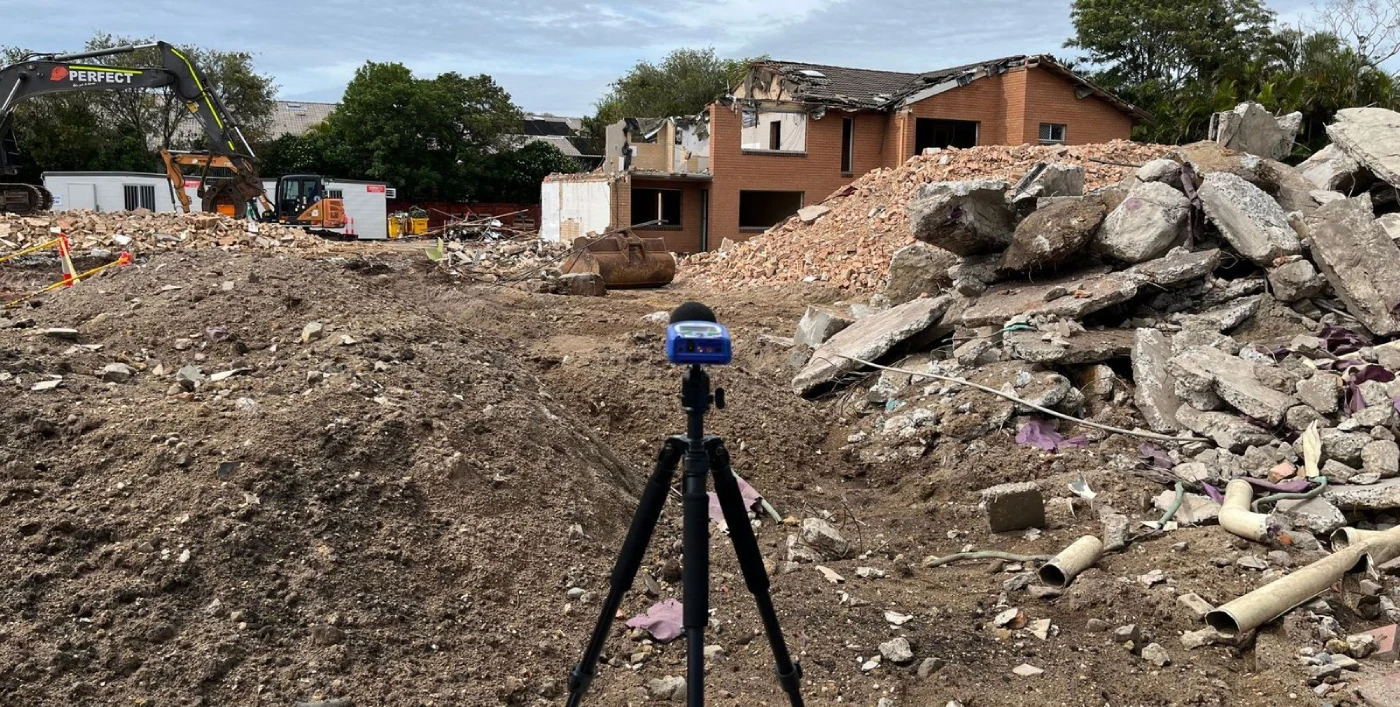
Construction activities like piling, compaction, and demolition can generate vibrations that pose significant risks to nearby buildings, especially heritage structures and sensitive infrastructure. Vibration monitoring is a key tool in mitigating these risks—but when it’s done incorrectly or inconsistently, it can lead to costly damage, compliance breaches, and project delays.
This article outlines the most common mistakes made in vibration monitoring on construction sites, and how to avoid them. Whether you’re managing a residential project in Sydney’s inner west or a commercial site in Wollongong, getting vibration compliance right from the outset is crucial.
Explore Nova Group Pacific vibration monitoring services
1. Failing to Set Appropriate Vibration Thresholds
Setting generic or overly lenient vibration thresholds is a frequent error on job sites. It’s not enough to rely on default limits—vibration tolerances should reflect the sensitivity and construction of nearby structures.
Why it matters:
- Too-high thresholds may allow undetected damage to buildings before alerts are triggered.
- Overly conservative limits can generate nuisance alarms, slowing down works unnecessarily.
How to fix it:
Refer to DIN 4150-3 guidelines as a baseline, and adjust limits based on a pre-construction structural risk assessment. Local councils or heritage conservation areas in Sydney and Byron Bay often mandate stricter thresholds—ensure these are reviewed in DA conditions.
2. Skipping the Pre-Condition Survey
One of the most overlooked compliance steps is failing to complete a thorough pre-condition survey of surrounding properties before construction begins.
Why it matters:
- Without documented baseline conditions, disputes around cracking, plaster dislodgement, or cosmetic damage can escalate into claims.
- Regulators may request pre-works reports during audits.
How to fix it:
Engage a qualified environmental consultant to conduct detailed photographic and written condition surveys of all adjacent and vulnerable buildings. This forms a critical benchmark to defend against unfounded claims and supports your compliance with council obligations.
3. Poor Vibration Monitor Sensor Placement
Incorrect placement or installation of vibration monitors can invalidate the data collected.
Why it matters:
- Placing sensors too far from the vibration source or the affected structure can misrepresent the actual impact.
- Loose or poorly secured sensors may pick up false readings due to wind or site activity.
How to fix it:
Install vibration monitors at the most vulnerable transmission points, such as near footings of adjacent buildings or heritage walls. Ensure devices are secured to rigid surfaces and regularly checked for calibration.
4. Delayed or Manual Vibration Monitoring Data Review
Many teams still rely on periodic data downloads or reactive monitoring, which limits your ability to manage vibration proactively.
Why it matters:
- Without real-time alerts, you may not realise thresholds have been breached until after damage occurs.
- Data delays make it difficult to adjust site activities in time.
How to fix it:
Invest in real-time vibration monitoring systems that send SMS or email alerts to project managers. These systems allow immediate response—whether that’s pausing piling, adjusting equipment, or notifying stakeholders.
5. Failing to Brief Site Staff and Subcontractors
Even with monitoring equipment in place, if your site team isn’t informed or aligned, vibration compliance can easily fall through the cracks.
Why it matters:
- Plant operators or subcontractors might inadvertently cause exceedances if they’re unaware of thresholds.
- Changes to equipment, work zones, or sequences can increase vibration output unexpectedly.
How to fix it:
Integrate vibration protocols into toolbox talks, site inductions, and your Construction Environmental Management Plan (CEMP). Ensure all workers understand the consequences of exceedances and what actions to take if alerts are triggered.


