







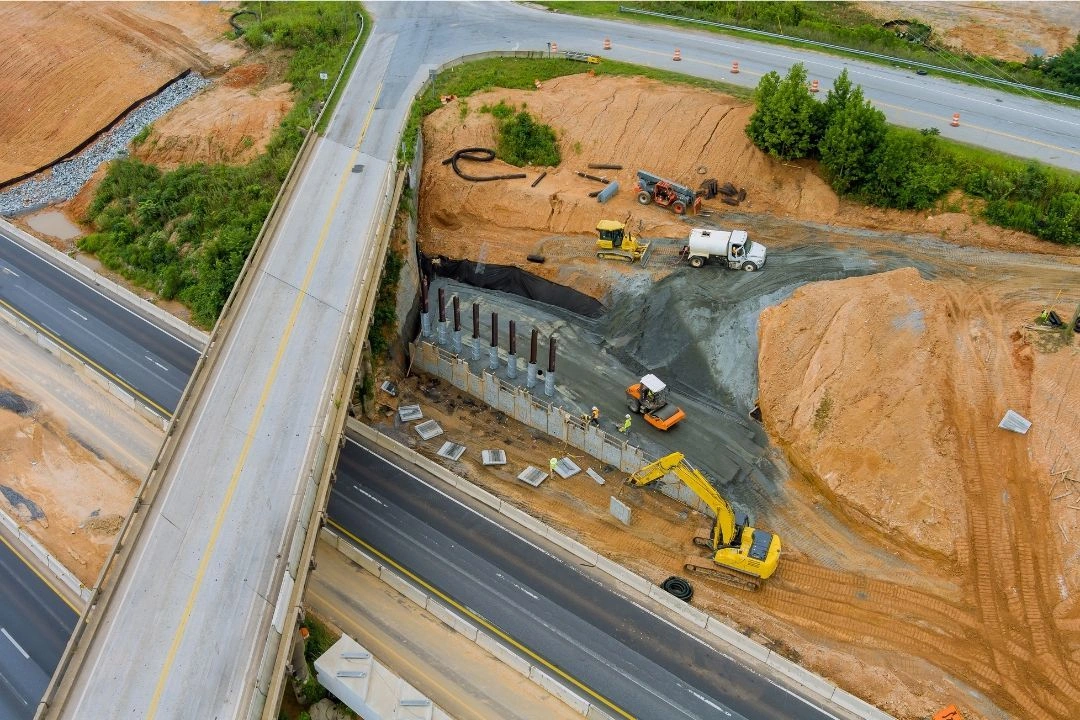
Major infrastructure projects, from highways and rail lines to energy facilities and industrial estates, are built under the watchful eye of regulators, councils, and communities. Every stage, from planning approvals to project delivery, is subject to stringent environmental requirements.
This is where environmental consultants step in. Their role extends far beyond paperwork; they act as technical advisors, compliance partners, and risk managers—helping projects proceed smoothly, safely, and legally.
Environmental Impact Assessments and Approvals
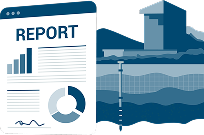
Before an infrastructure project can break ground, it must meet the requirements of environmental legislation and planning frameworks. Consultants play a central role by:
- Conducting Environmental Impact Assessments (EIAs) to identify potential effects on air, water, soil, biodiversity, and surrounding communities.
- Managing stakeholder engagement, ensuring regulators, local councils, and community members are consulted and informed.
- Preparing approval documentation that aligns with regulatory expectations, from development applications through to Environment Protection Licences (EPLs).
This work lays the foundation for compliance, securing the approvals needed to progress a project without avoidable delays.
Identifying and Mitigating Environmental Risks
One of the most valuable contributions consultants make is the early identification of risks that could derail a project if overlooked. These often include:
- Ecological risks such as impacts on protected flora and fauna.
- Heritage risks relating to Indigenous cultural sites or built heritage assets.
- Contamination risks from legacy industrial activities or hazardous materials in soil and groundwater.
By identifying these issues during planning, consultants can design mitigation strategies—such as habitat management plans, heritage offsets, or remediation action plans—that allow projects to move forward while minimising environmental and financial risk. This proactive approach helps avoid costly overruns and project delays.


