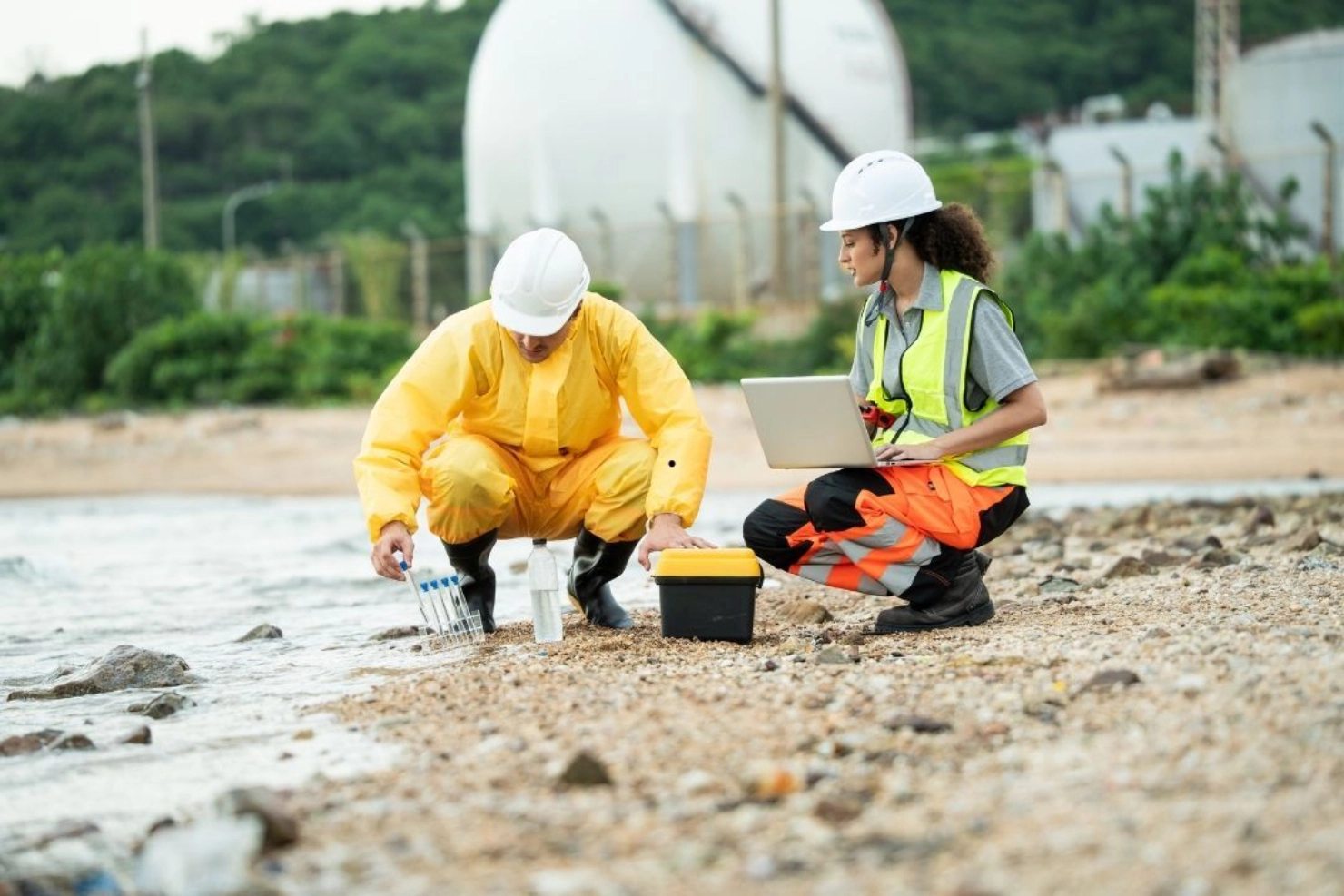






Environmental incident management refers to the systems, procedures, and actions used to identify, respond to, and report events that could cause environmental harm. It ensures construction, remediation, and operational projects manage incidents promptly, protect the environment, and maintain regulatory compliance.
Environmental Incident Management is the structured process of preparing for, responding to, controlling, and reporting environmental incidents—such as spills, unexpected contamination, exceedances, or equipment failures—to minimise environmental impact and ensure legal compliance. This framework is typically outlined within Environmental Management Plans (EMPs), Construction Environmental Management Plans (CEMPs), and site-specific emergency procedures.
Environmental incidents can lead to regulatory breaches, safety hazards, delays, costly cleanup actions, and reputational damage. Effective incident management is essential for demonstrating environmental due diligence and maintaining compliance with:
Strong incident management systems also:
Environmental incident management procedures apply to a wide range of construction, remediation, and operational contexts. Common triggers and incident types include:
Fuel, chemicals, hydraulic fluids, or contaminated water releases requiring immediate containment, cleanup, and notification.
Discovery of:
These events typically activate stop-work procedures and specialist assessment.
Triggers related to groundwater levels, dust emissions, noise, vibration, water quality, or air pollutants. These must be actioned promptly in accordance with compliance frameworks.
System breaches or rainfall events that risk off-site sediment transport or water-quality impacts.
Failures in tanks, pumps, dewatering systems, encapsulation cells, or pollution-control infrastructure.
Emergencies that result in environmental releases or damage to containment systems.
Regulators often require specific incidents to be reported within strict timeframes, such as “immediately”, “within 24 hours”, or “as soon as practicable”.
Nova Group Pacific supports clients with robust, defensible environmental incident management systems that reduce risk and ensure compliance.
Our capabilities include:
Explore related compliance and risk-management concepts:
Whether you need site assessment, remediation, or environmental consulting, our expert team is here to guide your project from planning to completion with precision and care.
Whether you're early-stage or ready to build, this tool helps you work out what reports you need — and how to bundle them into a single site visit.
Fast. Free. Custom to your stage.


We provide sustainable contaminated land, remediation, and geotechnical consulting services across Australia.
.jpeg)