








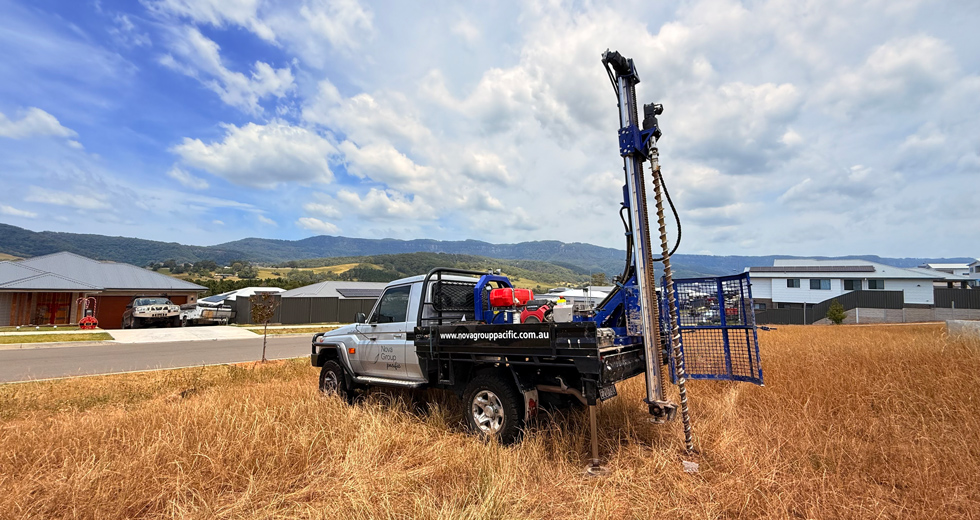
Noise and vibration monitoring in Batemans Bay is a multidisciplinary field dedicated to the quantification and analysis of sound and mechanical vibrations within urban environments. It encompasses various settings, from the hustle and bustle of busy streets and construction sites to the operations within industrial plants, residential neighbourhoods, and transportation hubs. The goal is to assess Batemans Bay’s noise and vibration levels to ensure compliance with local regulations, prevent adverse health effects, and maintain a high quality of urban life.
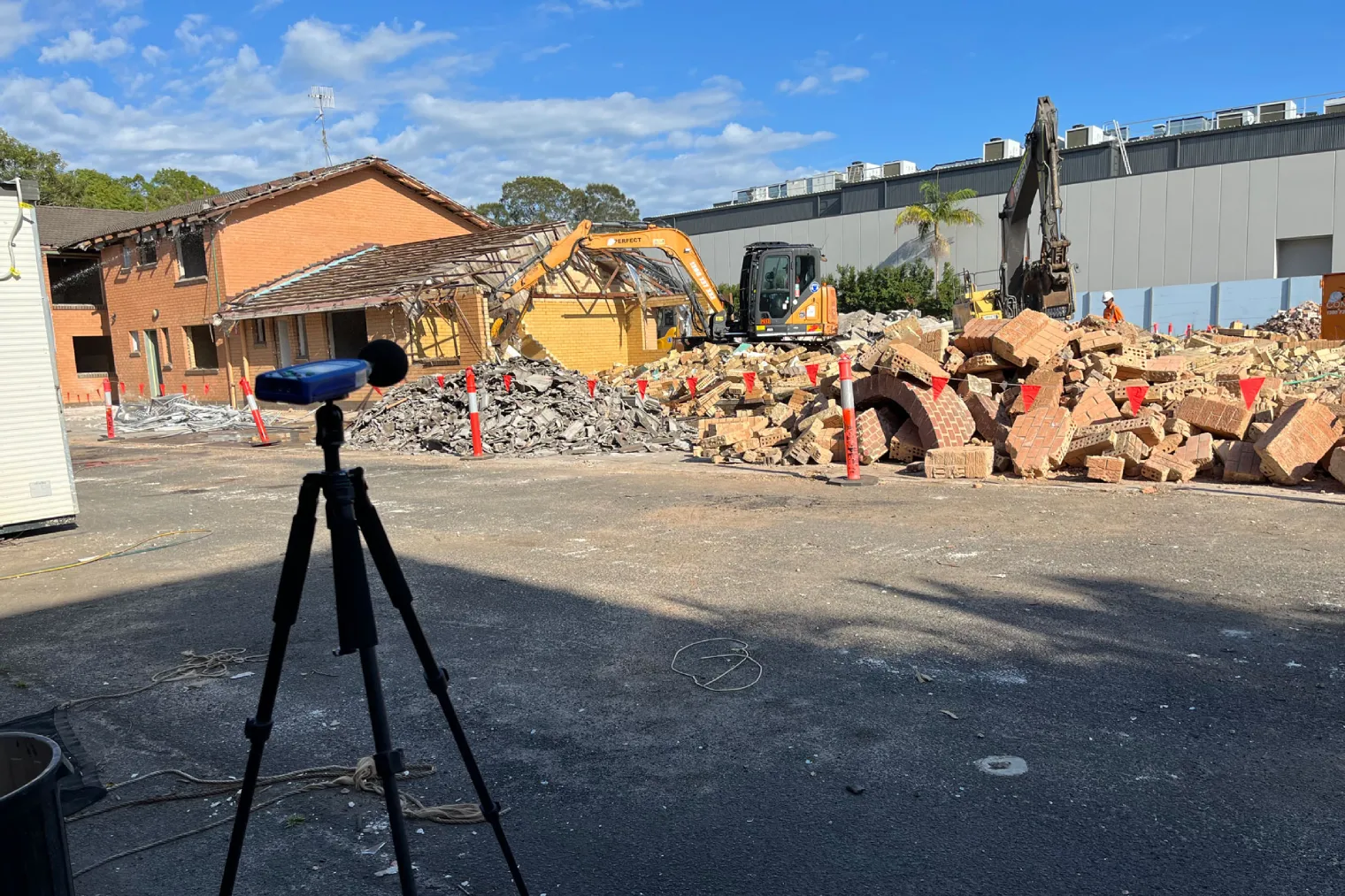
In Batemans Bay, noise and vibration monitoring is vital for several reasons:
Noise and vibration monitoring encompasses various methodologies and technologies to capture, analyse, and manage the diverse aspects of environmental factors across Batemans Bay. Understanding the different types of monitoring is essential for addressing specific challenges in a wide range of applications. Here, we explore the primary types of noise and vibration monitoring in Batemans Bay:
Continuous noise and vibration monitoring involves the uninterrupted collection of data over extended periods. This can occur in areas across Batemans Bay, including construction sites or near major roads and airports, and provides real-time data, making it ideal for detecting and addressing sudden changes or anomalies. Continuous monitoring systems often include remote data access and alarming features, allowing for quick response to exceedances or potential issues.
Event-based monitoring focuses on capturing data during specific occurrences or events across Batemans Bay. It is employed in situations where continuous monitoring may not be necessary, but where monitoring during critical activities is essential, such as controlled demolitions, to assess impacts on surrounding structures and the wider environment.
Short-term or campaign monitoring is employed for a limited duration, typically in Batemans Bay projects with a specific start and end date, such as research studies or construction projects. Once the project concludes, data analysis and reporting follow to assess compliance, potential environmental impacts, and safety concerns.
Remote monitoring and telemetry involve the use of sensors and data collection systems that can transmit data over long distances. It is essential for monitoring in extensive or hard-to-access areas within and around Batemans Bay, allowing for real-time data assessment.
Long-term trend analysis involves collecting data over extended periods, often years or decades, to understand noise and vibration patterns and trends. This is crucial for assessing the impact of long-term Batemans Bay developments, such as urbanisation or infrastructure expansion. It helps city planners, environmental agencies, and researchers make informed decisions about land use, transportation, and urban development based on historical noise and vibration data.
Each type of monitoring has its unique advantages and is suited to specific scenarios across Batemans Bay. The choice of monitoring method depends on the goals, duration, and nature of the project or study, and understanding these types is vital in implementing effective noise and vibration management strategies in Batemans Bay.


A noise and vibration management plan involves a structured approach to control impacts in various settings, crucial for ensuring regulatory compliance and community well-being on a variety of Batemans Bay-based projects. Key components include:
A noise and vibration management plan begins with a baseline assessment, which involves measuring existing noise and vibration levels in Batemans Bay. This step provides a benchmark against which the effectiveness of mitigation measures can be evaluated.
Outlining the relevant noise and vibration regulations, standards, and requirements to ensure that the project or operation adheres to both Batemans Bay-specific and national standards.

Pinpointing sources of noise and vibration on various Batemans Bay projects is essential. This includes detailing equipment, activities, or processes that generate noise and vibration, along with their respective characteristics.
Outlining specific measures and strategies to reduce, control, or mitigate noise and vibration impacts across Batemans Bay, tailored to both urban and natural environments. This may include the use of noise barriers, vibration isolators, scheduling restrictions, and operational changes.
A robust monitoring system is integral to a management plan for any Batemans Bay project. It outlines the frequency and methods of noise and vibration monitoring, and the responsible party for data collection and analysis. Regular reports and data analysis are also part of this section.
Effective communication with Batemans Bay stakeholders, such as local communities, is crucial. This section outlines the strategy for informing and engaging the public regarding the project, potential impacts, and mitigation efforts.
Proper record-keeping is essential for compliance and accountability in projects across Batemans Bay. The plan should specify the documentation requirements, including data logs, inspection reports, and compliance records.
The plan concludes with a section detailing the implementation process, roles and responsibilities, and a schedule for periodic plan review and updates. This ensures that the management plan remains relevant and effective for all Batemans Bay projects.
Effective noise and vibration management plans are tailored to the specific needs and challenges of each project or operation in Batemans Bay. They aim to strike a balance between maintaining productivity and minimising environmental and community impacts.


We understand the complex and nuanced nature of environmental contamination demands bespoke solutions. Regulations change over time and Nova Group Pacific navigates these changes through new processes and an agile workflow. Our team brings a young, nimble perspective to client projects, with a proven track record of meeting client objectives quickly, cost-effectively and to regulation standards.
Whether you're early-stage or ready to build, this tool helps you work out what reports you need — and how to bundle them into a single site visit.
Fast. Free. Custom to your stage.


We provide sustainable contaminated land, remediation, and geotechnical consulting services across Australia.
Complete the form below and one of our team will get back to you within 24 hours.


