





Introduction: Why Environmental Regulations Apply to Construction Sites
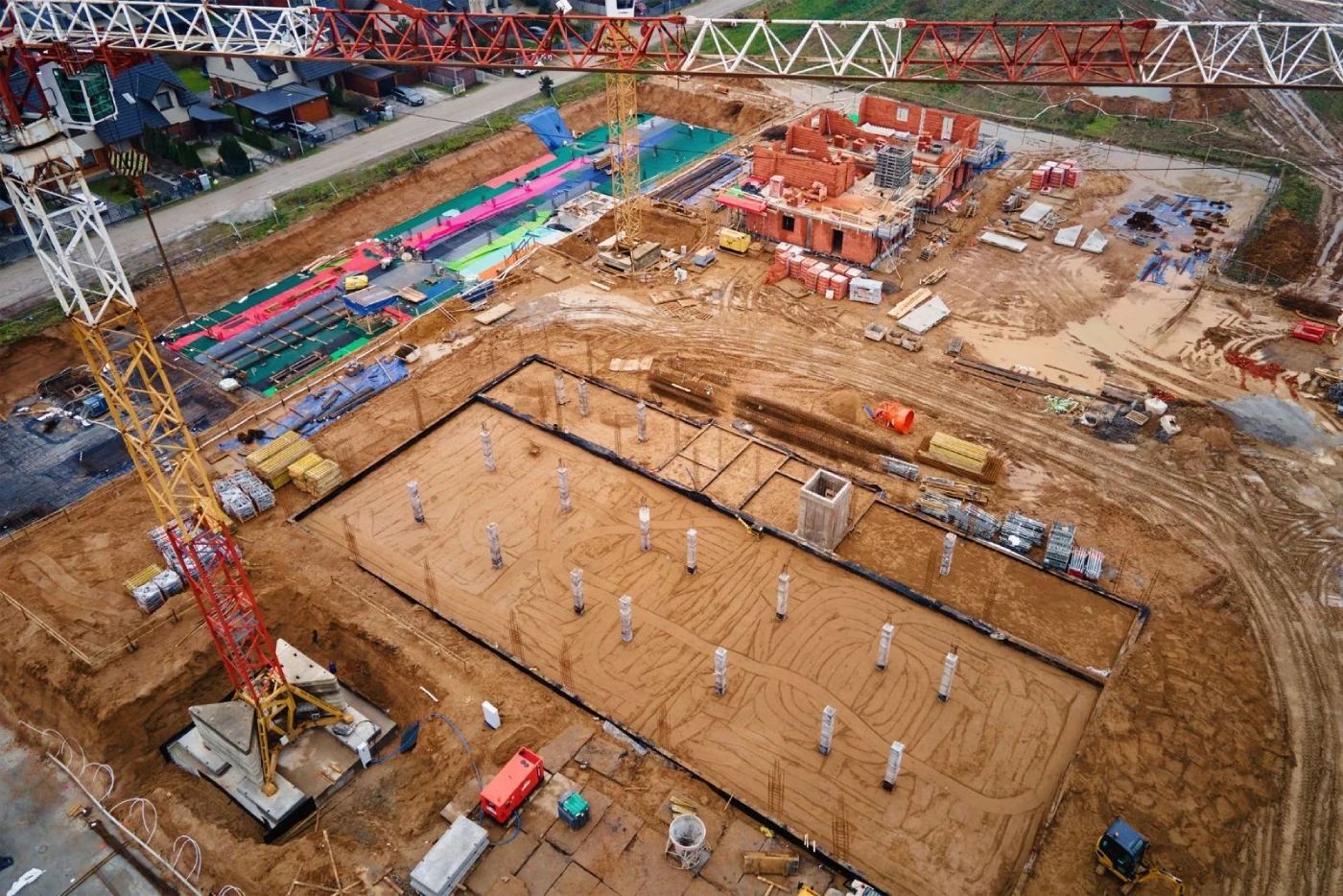
Construction sites are not just places where buildings take shape. They are also locations where land is disturbed, materials are handled, and environmental risks can arise. For this reason, construction activities are regulated under environmental law across Australia.
Environmental regulation exists to prevent pollution, protect surrounding communities, and manage impacts on land, water, and ecosystems. These laws apply regardless of project size: even relatively small works can trigger environmental obligations.
It is important to distinguish between environmental regulations themselves and how compliance is managed on site:
- Regulations set the legal requirements
- Compliance systems are the tools used to meet them
Understanding this difference helps clarify what the law requires before construction begins.
What Are Construction Site Environmental Regulations?
Environmental regulations for construction sites are legally enforceable rules that govern how construction activities may impact the environment. They are established under legislation and applied through approvals, licences, and conditions.
In a construction context, regulated activities can include:
- Clearing or disturbing soil
- Discharging stormwater
- Managing waste and materials
- Generating noise, dust, or emissions
- Working near waterways or sensitive land
Environmental regulation is different from planning controls and building codes:
- Planning controls focus on land use and development approval
- Building codes address structural safety and design
- Environmental legislation focuses on preventing harm to land, water, air, and communities
How Environmental Regulation Works in Australia
Environmental regulation in Australia operates across three levels of government:
1. At the federal level, laws address matters of national environmental significance. These apply only in specific circumstances.
2. State and territory governments regulate most construction site environmental requirements. Each jurisdiction has its own environmental protection legislation, which is why obligations differ between states.
3. Local councils also play a role. They often apply environmental conditions through development approvals and planning instruments.
Some obligations apply broadly under legislation. Others are site-specific and attached to approvals or licences. Both are legally binding.
Key Environmental Laws Affecting Construction Sites
Commonwealth environmental legislation
At a national level, the Environment Protection and Biodiversity Conservation Act 1999 regulates activities that may significantly impact protected matters such as threatened species or heritage places. Most construction projects do not trigger federal approval, but some do.
State and territory environmental protection laws
Each state and territory has its own environmental protection framework. These laws regulate pollution, waste, contaminated land, and environmental harm arising from construction activities.
Environmental regulation within development approvals
Environmental requirements are often embedded into development consents and planning approvals. These conditions give regulatory force to environmental controls during construction.
If you need clarity on how construction site environmental regulations apply to your project, we can provide a free preliminary scope and quote tailored to your site and approval conditions.
Environmental Matters Commonly Regulated on Construction Sites
Environmental regulations for construction sites commonly address the following areas.
- Soil disturbance and erosion
- Sediment runoff and stormwater pollution
- Dust, air emissions, and odour
- Noise and vibration impacts
- Waste generation and material storage
- Impacts to vegetation, waterways, and sensitive environments
Erosion and sediment control regulations in Australia are a key focus due to the risk construction sites pose to downstream waterways.
Environmental Conditions Attached to Construction Approvals
Most construction projects operate under approvals that include environmental conditions. These conditions form part of the legal approval to proceed with works.
Environmental conditions of consent may specify requirements relating to pollution prevention, land disturbance, and environmental protection measures. They sit alongside broader legislative obligations.
Because these conditions are issued under planning and environmental law, they are legally enforceable and must be understood before construction commences.
Environmental Management Documents Referenced by Regulations
Environmental regulations often reference management documents as part of approval frameworks.
Environmental Management Plans, including Construction Environmental Management Plans, are commonly required under regulatory conditions. Their purpose is to document how environmental risks will be addressed on a specific site.
It is important to note the difference between regulatory requirements and site-specific procedures. Regulations set the outcomes or controls that must be achieved, while management plans document how those requirements are addressed in practice, as explained in our article on what an Environmental Management Plan is and when one is required.
Start with a Smart Compliance Check
Scope Your Site Requirements in Minutes
Whether you're early-stage or ready to build, this tool helps you work out what reports you need and how to bundle them into a single site visit.
Fast. Free. Custom to your stage.
Start Quick Planning Tool
Regulatory Oversight and Enforcement Bodies
State Environmental Protection Authorities are the primary regulators for construction environmental compliance in Australia. They administer environmental legislation and provide regulatory oversight.
Local councils and planning authorities also play a role, particularly where environmental conditions are linked to development approvals.
Regulators typically become involved where there is potential for environmental harm, sensitive environments are affected, or approvals require oversight.
How Environmental Regulations Affect Different Types of Projects
Environmental regulation applies differently depending on project characteristics:
- Small-scale construction may have fewer approval requirements, but obligations still exist. Large-scale projects typically face more detailed regulatory frameworks.
- Greenfield developments often focus on land disturbance and biodiversity impacts. Brownfield sites may involve contamination and waste regulation.
- High-risk environments such as waterways, coastal areas, or contaminated land attract more complex regulatory requirements and closer oversight.
Why Understanding Environmental Regulations Early Matters
Environmental regulations influence project planning from the earliest stages. They affect approval pathways, design decisions, and construction sequencing.
A lack of regulatory awareness can lead to delays, redesign, and unexpected costs. Understanding obligations early supports smoother approvals and clearer project programming.
Environmental legislation sets the rules before works begin. Awareness at the planning stage is critical.
Conclusion: Regulations as the Framework for Environmental Protection
Construction site environmental regulations establish the legal baseline for protecting land, water, air, and surrounding communities during building works. Understanding these requirements early is critical, as they influence approvals, define obligations, and shape how construction activities are assessed.
At Nova Group Pacific, we help clients interpret environmental regulations and understand how they apply to specific sites and project conditions.
If you are planning works or navigating environmental approvals, request a free scope and quote to discuss your project with experienced environmental consultants and receive clear, practical advice aligned with Australian regulatory requirements.
Frequently Asked Questions About Construction Site Environmental Regulations
What environmental regulations apply to construction sites in Australia?
Construction sites in Australia are regulated under state and territory environmental protection laws, planning approvals, and, in some cases, Commonwealth legislation. These rules manage impacts such as erosion, stormwater, dust, noise, waste, and pollution.
Are environmental regulations different in each Australian state?
Yes. Each state and territory has its own environmental protection legislation, so construction site requirements and approval processes vary by location.
Do small construction projects have environmental obligations?
Yes. All construction projects must comply with environmental legislation, regardless of size, even if formal approvals are not required.
What is the difference between environmental regulations and approval conditions?
Environmental regulations come from legislation and apply broadly. Approval conditions are site-specific requirements issued as part of a development consent. Both are legally enforceable.
When are Environmental Management Plans required on construction sites?
Environmental Management Plans are required when specified by legislation, licences, or approval conditions, particularly for higher-risk or more complex construction activities.
{
"@context": "https://schema.org",
"@type": "FAQPage",
"mainEntity": [
{
"@type": "Question",
"name": "What environmental regulations apply to construction sites in Australia?",
"acceptedAnswer": {
"@type": "Answer",
"text": "Construction sites in Australia are regulated under state and territory environmental protection laws, planning approvals, and in some cases Commonwealth legislation. These rules manage impacts such as erosion, stormwater, dust, noise, waste, and pollution."
}
},
{
"@type": "Question",
"name": "Are environmental regulations different in each Australian state?",
"acceptedAnswer": {
"@type": "Answer",
"text": "Yes. Each state and territory has its own environmental protection legislation, so construction site requirements and approval processes vary by location."
}
},
{
"@type": "Question",
"name": "Do small construction projects have environmental obligations?",
"acceptedAnswer": {
"@type": "Answer",
"text": "Yes. All construction projects must comply with environmental legislation, regardless of size, even if formal approvals are not required."
}
},
{
"@type": "Question",
"name": "What is the difference between environmental regulations and approval conditions?",
"acceptedAnswer": {
"@type": "Answer",
"text": "Environmental regulations come from legislation and apply broadly. Approval conditions are site-specific requirements issued as part of a development consent. Both are legally enforceable."
}
},
{
"@type": "Question",
"name": "When are Environmental Management Plans required on construction sites?",
"acceptedAnswer": {
"@type": "Answer",
"text": "Environmental Management Plans are required when specified by legislation, licences, or approval conditions, particularly for higher-risk or more complex construction activities."
}
}
]
}