


Summary
Mould assessments identify, measure and document mould growth, moisture sources, and potential health or structural impacts in buildings or remediation sites. In Australia, mould assessments are essential for ensuring healthy indoor environments, managing contamination risk and achieving compliance with occupational and environmental standards.
Definition
A mould assessment is a structured investigation to detect, quantify and evaluate mould contamination and underlying moisture problems within buildings, structures or materials. The process includes site inspection, air and surface sampling, laboratory analysis and reporting, providing recommendations for remediation, prevention and ongoing monitoring.
Why It Matters
1. Health and safety
Mould can produce allergens, irritants, and mycotoxins that cause respiratory illness, asthma and allergic reactions. Prolonged exposure, especially in workplaces or housing, presents serious health risks. Assessments help identify and mitigate these hazards before they impact building occupants.
- Common indoor moulds include Aspergillus, Penicillium, Cladosporium and Stachybotrys (“black mould”).
- The Australian Mould Guideline (AMG) and Safe Work Australia recognise mould as a significant occupational and public health issue.
2. Regulatory and compliance obligations
Mould assessments demonstrate due diligence under:
- Work Health and Safety (WHS) Regulations requiring employers to provide safe workplaces.
- Public health regulations (e.g., Public Health Act 2010 NSW) addressing microbial contamination.
- Environmental Health and Building Codes for dampness and air quality control. They also support insurance, building warranty, and remediation validation requirements.
3. Building integrity and remediation success
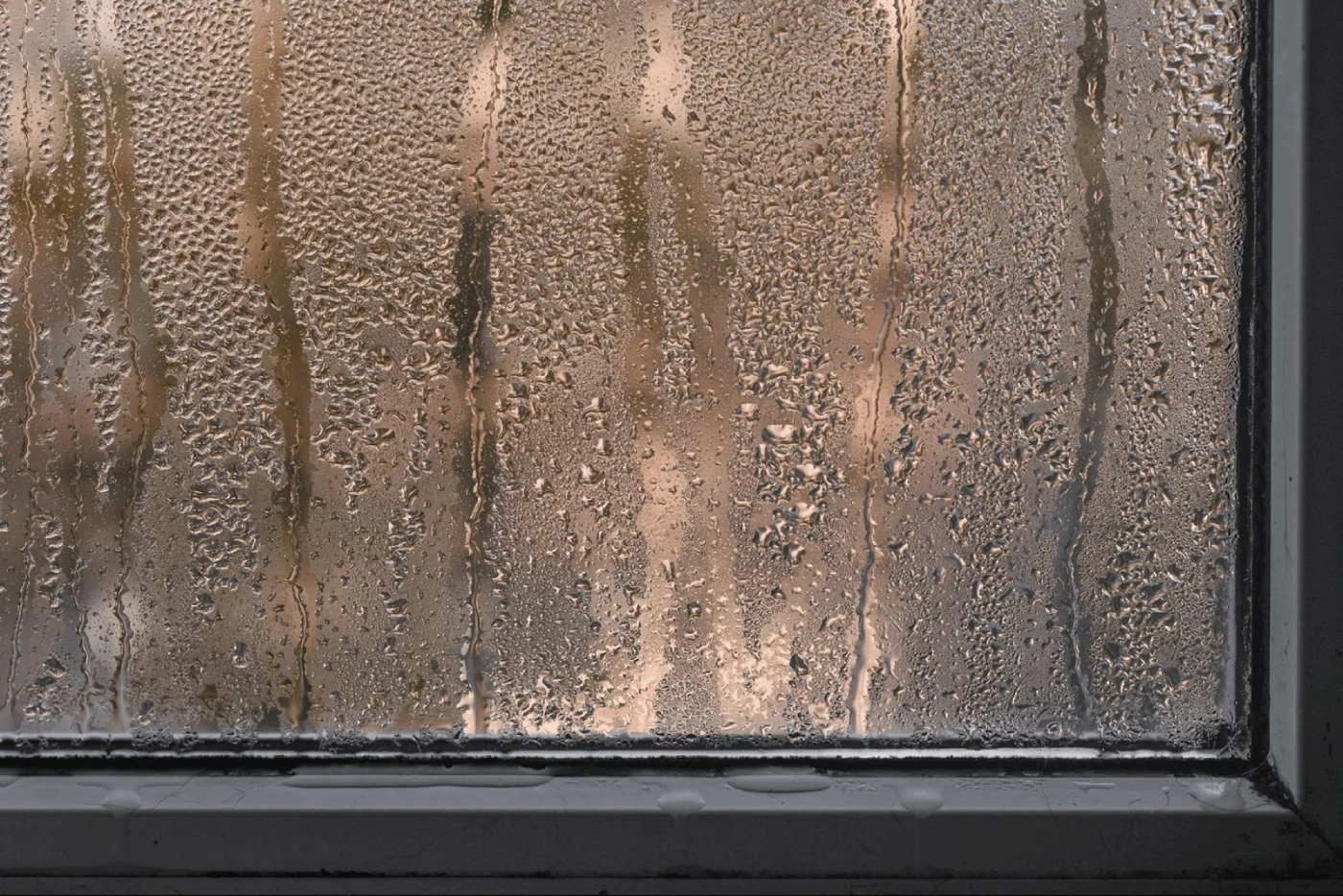
Moisture and mould can damage plasterboard, insulation, flooring, and timber framing. Assessments identify moisture intrusion pathways (e.g., leaks, condensation, poor ventilation), allowing effective remediation before structural deterioration occurs.
4. Environmental and remediation linkages
Mould growth may also indicate underlying contamination or environmental conditions—such as flooding, leaks, or humidity from remediation works or poor ventilation after construction. Comprehensive assessments help ensure mould risk is addressed alongside other environmental compliance measures, such as indoor air quality, hazardous material management and validation reporting.
When It’s Required
Common triggers
- Visible mould or odour: When mould growth or musty odours are detected indoors.
- Post-flooding or water ingress: After leaks, flooding or storm damage affecting walls, ceilings, carpets or subfloors.
- Post-remediation validation: To confirm that previous mould remediation works have been effective.
- Health complaints: When occupants experience respiratory symptoms or allergic reactions linked to building conditions.
- Insurance or property transactions: Assessments often form part of due diligence or building inspection processes.
- Workplace safety inspections: Employers or facility managers must assess mould risk to maintain safe working conditions.
Legislative & guideline context
- Australian Mould Guideline (AMG 2023) – Provides best-practice methods for assessment, sampling and remediation.
- Safe Work Australia – Indoor Air Quality Guidance – Recognises mould as a key air contaminant in occupational settings.
- National Construction Code (NCC) – Requires moisture management in buildings to prevent mould proliferation.
- State Health Departments – Provide additional guidance for residential and public buildings.
What a Mould Assessment Includes
A comprehensive mould assessment typically involves:
- Visual inspection: Identification of visible mould growth, staining, or dampness using moisture meters and thermal imaging.
- Air and surface sampling: Collection of samples using spore traps, swabs or tape lifts for laboratory identification and quantification.
- Moisture mapping: Locating sources of water ingress or high humidity, including plumbing leaks, condensation zones, or building envelope failures.
- Laboratory analysis: Identifying mould species and concentrations relative to outdoor reference samples.
- Risk assessment: Evaluating health, building and compliance risks.
- Reporting and recommendations:
- Source control (e.g., fixing leaks or ventilation)
- Cleaning or removal protocols for contaminated materials
- Verification sampling post-remediation
- Preventive maintenance plans
How We Can Help
At Nova Group Pacific, we provide comprehensive mould assessment and remediation-support services across commercial, residential and industrial environments.
Our services include:
- Site inspection and sampling – Identifying visible and hidden mould through air, surface and moisture assessments.
- Laboratory analysis and reporting – Accredited testing and interpretation of mould species and concentrations.
- Remediation guidance – Recommendations for cleaning, containment, HVAC filtration and building material restoration.
- Post-remediation validation – Confirmation sampling to verify effective mould removal and air quality restoration.
- Integration with compliance frameworks – Linking mould assessments with Environmental Management Plans (EMP), Validation Reports, and Occupational Hygiene programs.
Contact Nova Group Pacific for professional mould assessment and remediation oversight that ensures healthy, compliant and resilient building environments.