







Introduction
Many construction projects in NSW need to pump and remove groundwater before excavation, basement construction or tunnelling can proceed. This process, known as dewatering, keeps a work area dry enough for construction to continue safely. It also raises environmental obligations that project teams sometimes underestimate.
Dewatering usually means discharging water somewhere, whether to a stormwater system, a waterway or a sewer. Because of this, regulators pay close attention to its environmental impact. This article explains when dewatering triggers formal obligations in NSW. It covers what a Dewatering Management Plan should include too, along with where compliance failures most often occur.
What Is Dewatering on a Construction Site?
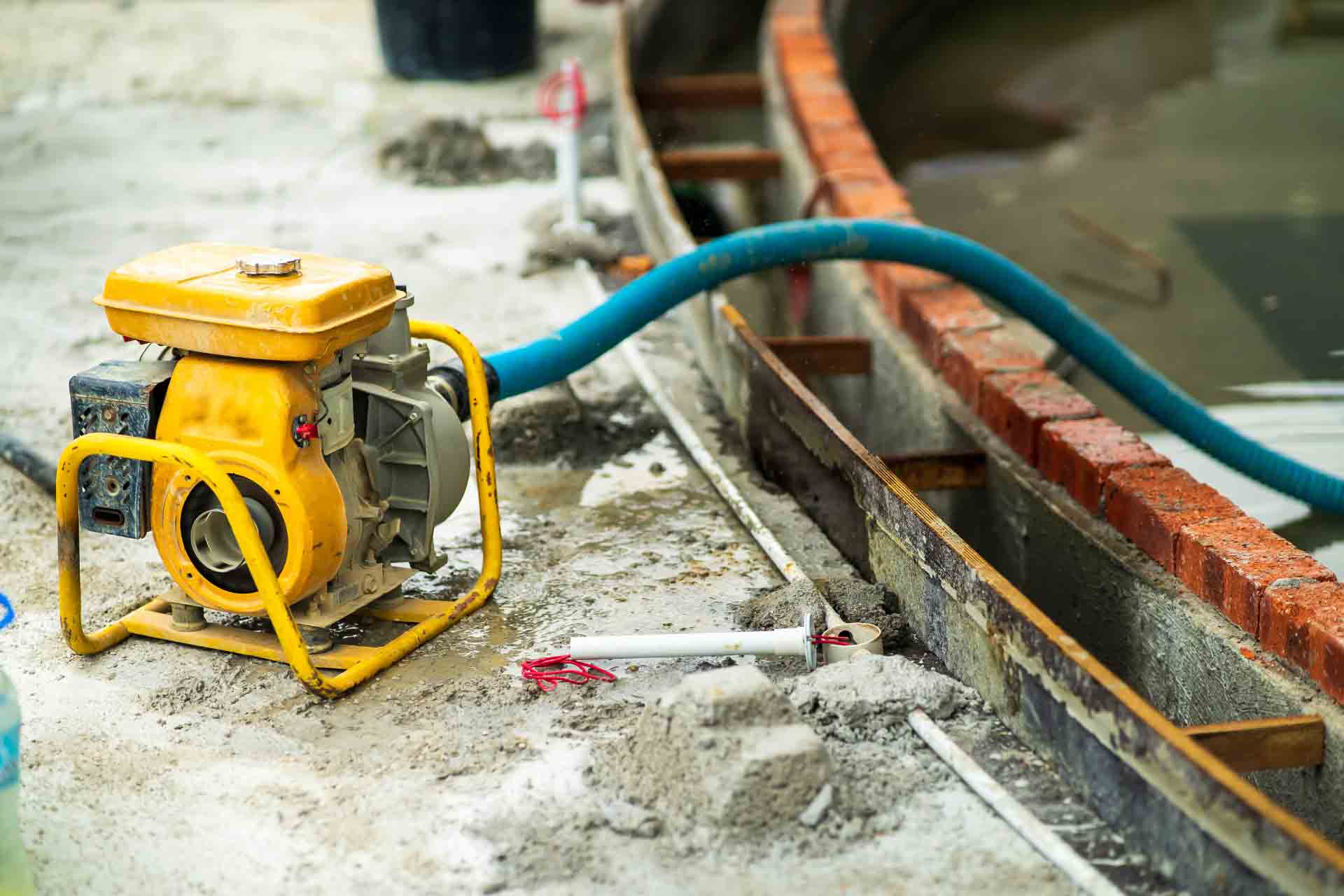
Dewatering involves pumping groundwater or surface water away from an excavation, trench or basement. This lets construction work proceed in dry conditions. Sites near the coast, floodplains or waterways often need it, since the water table sits close to the surface in these locations.
Once removed, this water has to go somewhere. Teams may discharge it to a stormwater drain, a nearby waterway or the sewer network. Some sites instead use a licensed tanker for offsite disposal. Each disposal pathway carries its own regulatory requirements, and the water's quality often determines which pathway applies. Untreated groundwater can carry sediment, elevated pH or dissolved contaminants. The disposal method needs to match what the water actually contains.
When Does Dewatering Trigger Obligations Under the POEO Act and EPA Guidelines?
Protection of the Environment Operations Act 1997 (NSW) governs water pollution, and it applies directly to construction dewatering. Discharging water that contains pollutants to waters, or to a stormwater system connected to waters, breaches the Act without lawful authority. This means most dewatering discharges need an environmental protection licence or another approved authority beforehand.
Larger projects, or those holding an existing EPL for other activities, typically need to vary that licence to cover dewatering discharge. Smaller sites may instead rely on a trade waste agreement with the local water utility. This applies particularly where discharge goes to sewer rather than a waterway. Development consent conditions frequently specify which pathway applies and what monitoring the project must carry out. Sites near acid sulfate soils face extra scrutiny too. Dewatering can lower groundwater levels enough to expose these soils and trigger acid generation.
Confirming these obligations before dewatering starts matters more than most teams expect. Retrofitting a licence or trade waste agreement once pumping is already underway can delay a project by weeks. This delay grows longer where the regulator asks for additional water quality data first.
What Must a Dewatering Management Plan Include?
A Dewatering Management Plan sets out how a project will manage groundwater extraction and disposal throughout construction. Most consent authorities and EPA licences require one wherever dewatering forms part of the works. The plan typically forms part of, or sits alongside, the site's broader CEMP.
Extraction and Treatment Methods
This section describes how the project will extract groundwater and estimate expected volumes. Where treatment is necessary, it sets out how the project will treat water before discharge too. Sediment settling, pH adjustment and oil and grease separation are common treatment steps, depending on what the groundwater contains.
Discharge Pathway and Approvals
This section confirms where treated water will go, whether stormwater, waterway, sewer or tanker removal. It records the specific approval that authorises each pathway, along with any trigger levels the discharge must meet before release.
Monitoring and Reporting
The plan sets out sampling frequency, tested parameters and how the project will report results to the regulator or council. This monitoring program usually runs for the full duration of dewatering activities, not just at the start.
What Discharge Monitoring Requirements Apply to Dewatering?
Discharge monitoring confirms that dewatering doesn't degrade the receiving environment, whether that's a stormwater system, creek or sewer network. Programs commonly track pH, total suspended solids and turbidity. Depending on site history, they may also track specific contaminants such as hydrocarbons or heavy metals. Water quality results get compared against trigger levels set in the licence, consent conditions or trade waste agreement.
Sampling usually happens before discharge begins and again at defined intervals throughout pumping. Teams should also resample if conditions change, such as after heavy rainfall. Dewatering rates can vary significantly during construction, so monitoring frequency often needs to scale up during periods of higher extraction. Consultants generally recommend building this flexibility into the monitoring program from the outset. Treating it as a fixed schedule that never adjusts to site conditions tends to cause problems later.
What Are Common Dewatering Compliance Failures?
Several recurring issues cause dewatering compliance failures on NSW construction sites. Discharging without the correct approval in place ranks among the most frequent. Teams sometimes assume an existing licence already covers dewatering when it doesn't. Skipping pre-discharge water testing causes similar problems, since crews sometimes pump straight to stormwater without confirming the water meets trigger levels first.
Inadequate treatment before discharge creates further risk, particularly on sites with elevated sediment or unusual groundwater chemistry. Poor coordination between the dewatering contractor and the CEMP holder can leave monitoring gaps too. Responsibility sometimes falls between the two parties, and nobody ends up owning the result. These failures rarely stem from a single cause. More often, several small gaps compound until a regulator notices, whether through a site inspection, a complaint or a routine audit.
How Can Construction Projects Manage Dewatering Compliance Effectively?
Confirming the correct approval pathway before dewatering begins is one of the most important steps a project can take. This involves reviewing the development consent and any existing EPL, along with the water utility’s trade waste requirements if discharge to sewer is proposed. Where the approval pathway is unclear, early discussions with the relevant regulator can help resolve any uncertainty before pumping begins
Building discharge monitoring into the project's water quality controls helps keep dewatering aligned with the rest of the site's environmental management. Coordinating dewatering activities with erosion and sediment controls along haul roads reduces the risk of sediment reaching the discharge point in the first place. Clear internal reporting lines close most of the remaining gaps, so that dewatering results reach the person managing the CEMP.
Why Is Professional Dewatering Management Important?
Dewatering compliance sits at the intersection of hydrogeology, water chemistry and NSW environmental law. Getting it wrong can carry real consequences. Regulators can issue penalty notices, require immediate cessation of discharge or, in serious cases, pursue prosecution under the POEO Act. Beyond the legal exposure, an unplanned suspension of dewatering can halt excavation entirely until the issue resolves.
Experienced environmental consultants help project teams work out which approvals apply. They also design an appropriate treatment and monitoring program and respond quickly if an exceedance occurs. This kind of support often prevents a minor water quality issue from escalating into a formal compliance audit or broader environmental compliance action.
Conclusion
Dewatering keeps excavation and basement works dry, but it also brings a construction project directly into contact with NSW water pollution law. Understanding when discharge needs formal approval helps project teams avoid the compliance failures that catch other sites out. So does knowing what a Dewatering Management Plan must cover and where monitoring commonly falls short.
Confirming these obligations early, well before pumps start running, gives project teams time to secure the right approvals. It also gives them time to build a monitoring program that actually fits the site. That preparation is usually far cheaper than responding to a stop-work direction once dewatering is already underway.
At Nova Group Pacific, we help construction projects across Australia design and manage dewatering programs that meet EPA, council and development consent requirements. Our team also supports broader environmental compliance needs, from CEMP development through to incident response. Contact us to discuss your project.