







Dewatering and discharge monitoring are critical aspects of environmental management, especially in construction, mining, and various industrial processes in Tweed Heads. Let's dive into what these terms mean and why they are vital for ensuring environmental compliance in Tweed Heads.
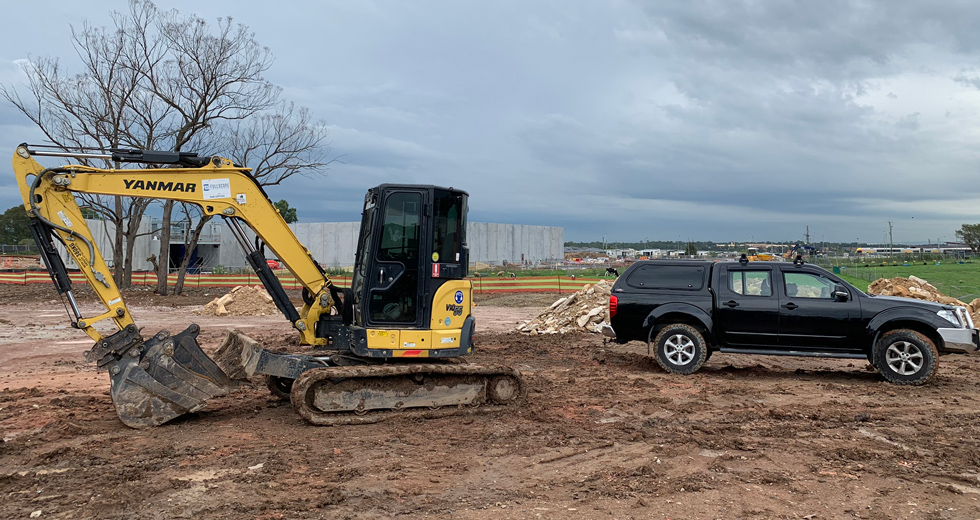
Dewatering is a process that involves the removal of excess water from construction sites, mines, or industrial facilities in Tweed Heads. This excess water can come from sources such as rainwater, groundwater, or wastewater produced during various operations. Dewatering is essential to maintain safe working conditions, prevent structural damage, and ensure the stability of excavation sites in Tweed Heads.
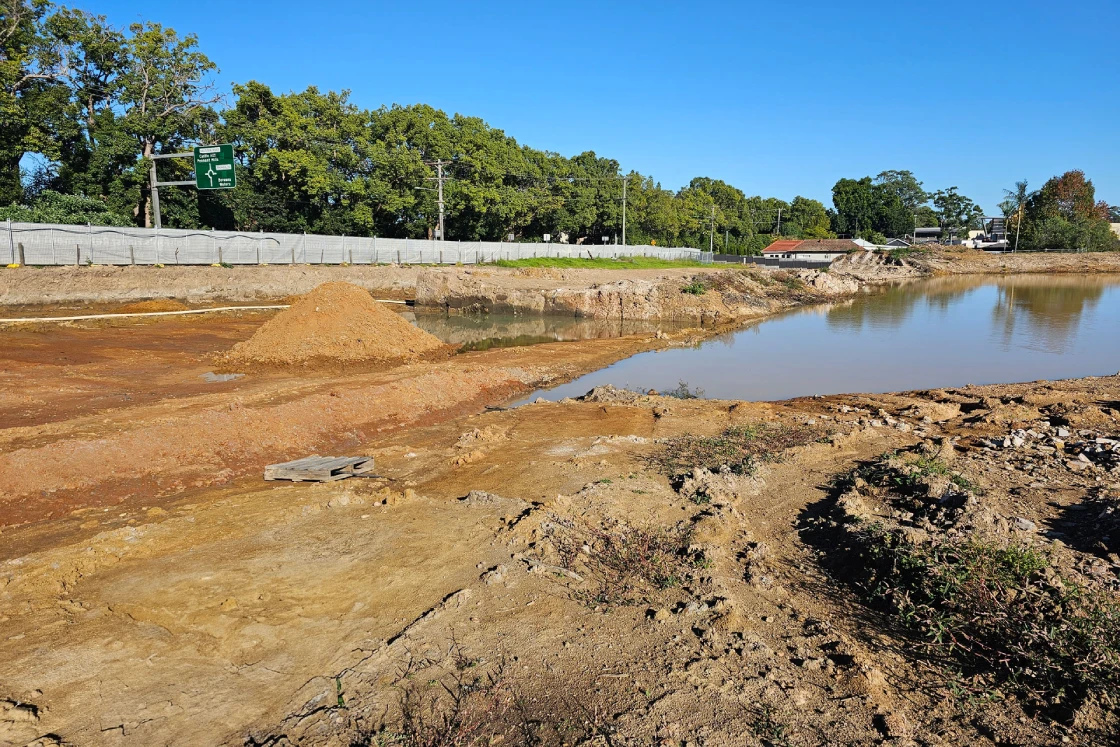
During dewatering, water is typically extracted using pumps or other specialised equipment. The removed water is then either treated and discharged safely or reused within the operation. It's important to note that improper dewatering practices in Tweed Heads can lead to erosion, groundwater contamination, and regulatory non-compliance. That's why the development of a well-structured Dewatering Management Plan (DMP) is crucial.
An effective Dewatering Management Plan (DMP) is essential for the successful execution of dewatering activities in Tweed Heads while ensuring compliance with environmental regulations. A well-structured DMP serves as a roadmap, guiding the dewatering process and minimising its impact on the environment.
Discharge monitoring is the systematic measurement and analysis of the quality and quantity of water being discharged from a site or operation into the surrounding environment in Tweed Heads. It serves the purpose of ensuring that the discharged water meets environmental regulations and standards specific to Tweed Heads. Discharge can contain various contaminants or pollutants, including suspended solids, chemicals, heavy metals, and more.
To monitor these discharges effectively, companies and organisations in Tweed Heads often employ a combination of sampling, analysis, and real-time monitoring techniques. The data collected from these efforts is then used to demonstrate compliance with regulatory limits and to track the environmental impact of the operation.
The integration of dewatering management plans and discharge monitoring is crucial in Tweed Heads to not only meet regulatory requirements but also to minimise the ecological footprint of industrial and construction activities.


Discharge monitoring ensures that water leaving a Tweed Heads site meets environmental regulations and standards. By regularly testing and analysing water quality, dewatering operations in Tweed Heads can demonstrate their commitment to staying within permissible limits for parameters such as suspended solids, pH, and specific contaminants.

Regular monitoring allows for the early detection of any potential issues or deviations from established water quality standards in Tweed Heads. This proactive approach enables quick corrective actions to prevent environmental harm and maintain compliance.

Accurate and consistent data collection is essential for informed decision-making. Data from discharge monitoring in Tweed Heads can be used to optimise dewatering processes, refine water treatment methods, and reduce environmental impacts while staying in line with regulatory requirements.

Stakeholders, including local communities and regulatory agencies in Tweed Heads, often require transparency and evidence of responsible environmental practices. Regular discharge monitoring and the public reporting of results can help build trust and assurance that the dewatering operation is environmentally responsible.

In the event of any environmental claims or disputes, having a well-documented history of discharge monitoring in Tweed Heads can provide legal protection. It serves as evidence that the operation has taken diligent steps to comply with environmental regulations.

Discharge monitoring data can also be valuable for assessing the long-term environmental impact of dewatering activities in Tweed Heads. This information can guide future environmental mitigation efforts and contribute to more sustainable practices.
Incorporating discharge monitoring as a critical element in the Dewatering Management Plan (DMP) ensures that environmental compliance is maintained throughout the project's lifecycle in Tweed Heads. It helps mitigate risks, fosters responsible environmental practices, and ultimately supports the goal of minimising the ecological footprint of dewatering operations in Tweed Heads.


We understand the complex and nuanced nature of environmental contamination demands bespoke solutions. Regulations change over time and Nova Group Pacific navigates these changes through new processes and an agile workflow. Our team brings a young, nimble perspective to client projects, with a proven track record of meeting client objectives quickly, cost-effectively and to regulation standards.
Whether you're early-stage or ready to build, this tool helps you work out what reports you need — and how to bundle them into a single site visit.
Fast. Free. Custom to your stage.


We provide sustainable contaminated land, remediation, and geotechnical consulting services across Australia.
Complete the form below and one of our team will get back to you within 24 hours.


