





Nova Group Pacific's Occupational Hygienists in Lismore bring extensive expertise to the identification, assessment, and remediation of various mould species and microbial contamination.
Mould, a type of fungus, is common in both indoor and outdoor environments across Lismore. Thriving in damp conditions, mould exists in forms like black, white, and green mould. It plays a role in decomposing organic matter, but evidence links mould spores to health risks, which is why mould assessment and remediation services are essential for both residential and commercial properties in Lismore and beyond.
In Lismore’s humid conditions, mould growth can pose significant health threats, particularly for individuals with asthma or allergies Mould has been associated with respiratory infections, bronchitis, and allergic reactions. Prolonged exposure may lead to more serious health problems, such as the development of hypersensitivity pneumonitis and autoimmune diseases. Beyond respiratory issues, mould exposure is linked to skin irritation, aggravating conditions like eczema. Addressing mould concerns promptly in Lismore homes and businesses helps reduce the risks of respiratory, skin, and even neurological symptoms.
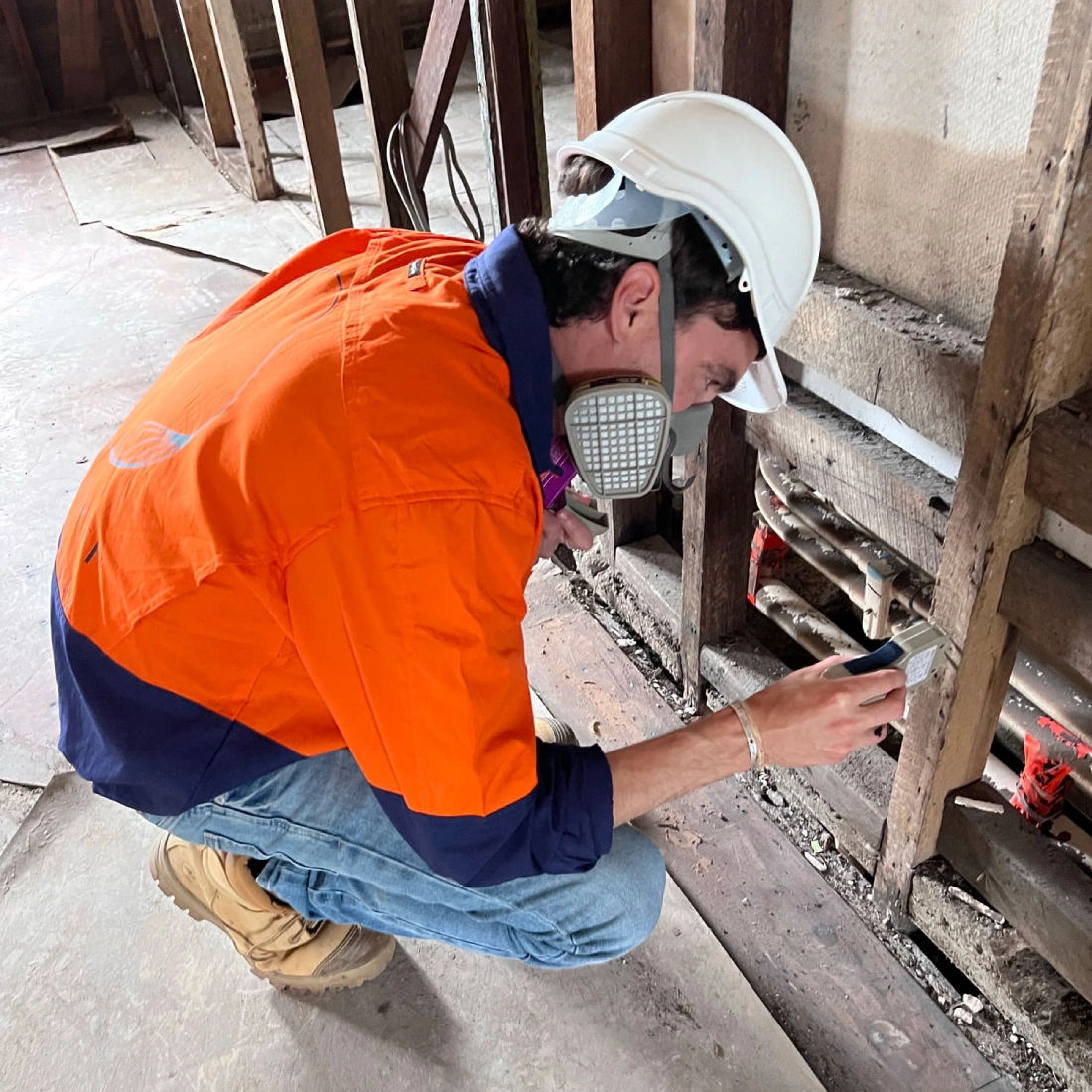
Nova Group Pacific specialises in Mould Assessments & Remediation services across the Lismore region, offering tailored solutions for mould-related challenges. Our team helps ensure healthier indoor environments by using industry-approved methods to tackle mould concerns. For businesses and residences in Lismore, contact us for a thorough assessment and a tailored remediation plan.
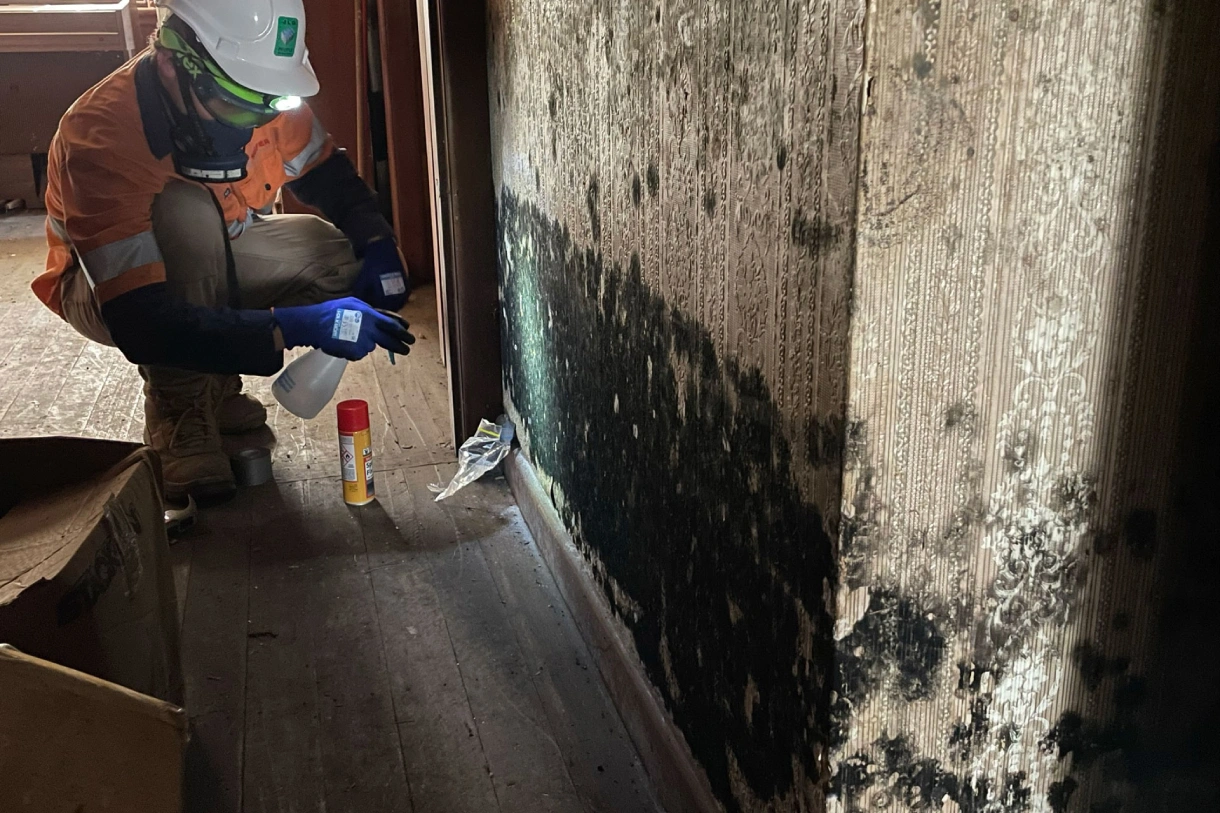
Our Mould Testing services take a multi-faceted approach to assess mould presence in Lismore environments. We provide air sampling to measure airborne mould spore levels and surface sampling to assess visible contamination. Using moisture metres and thermal imaging, we identify moisture sources contributing to mould growth, offering comprehensive data to guide remediation efforts.
Nova Group Pacific excels in Mould Remediation across Lismore, ensuring your indoor spaces are restored to healthy conditions. We follow safe, environmentally friendly remediation methods that include removing contaminated materials, thoroughly cleaning affected areas, and applying preventative measures to stop future mould growth. Our team ensures minimal disruption to Lismore occupants during the process.
Following mould remediation in Lismore, Nova Group Pacific conducts post-remediation verification to ensure the successful resolution of mould issues. Our qualified professionals perform a thorough inspection, confirming effective mould removal and preventive measure implementation. Air and surface sampling may validate the absence of mould or reduced spore levels. The verification process provides clients with assurance that their Lismore property has been restored to a mould-free and healthy condition.


We understand the complex and nuanced nature of environmental contamination demands bespoke solutions. Regulations change over time and Nova Group Pacific navigates these changes through new processes and an agile workflow. Our team brings a young, nimble perspective to client projects, with a proven track record of meeting client objectives quickly, cost-effectively and to regulation standards.
Whether you're early-stage or ready to build, this tool helps you work out what reports you need — and how to bundle them into a single site visit.
Fast. Free. Custom to your stage.


We provide sustainable contaminated land, remediation, and geotechnical consulting services across Australia.
Complete the form below and one of our team will get back to you within 24 hours.


