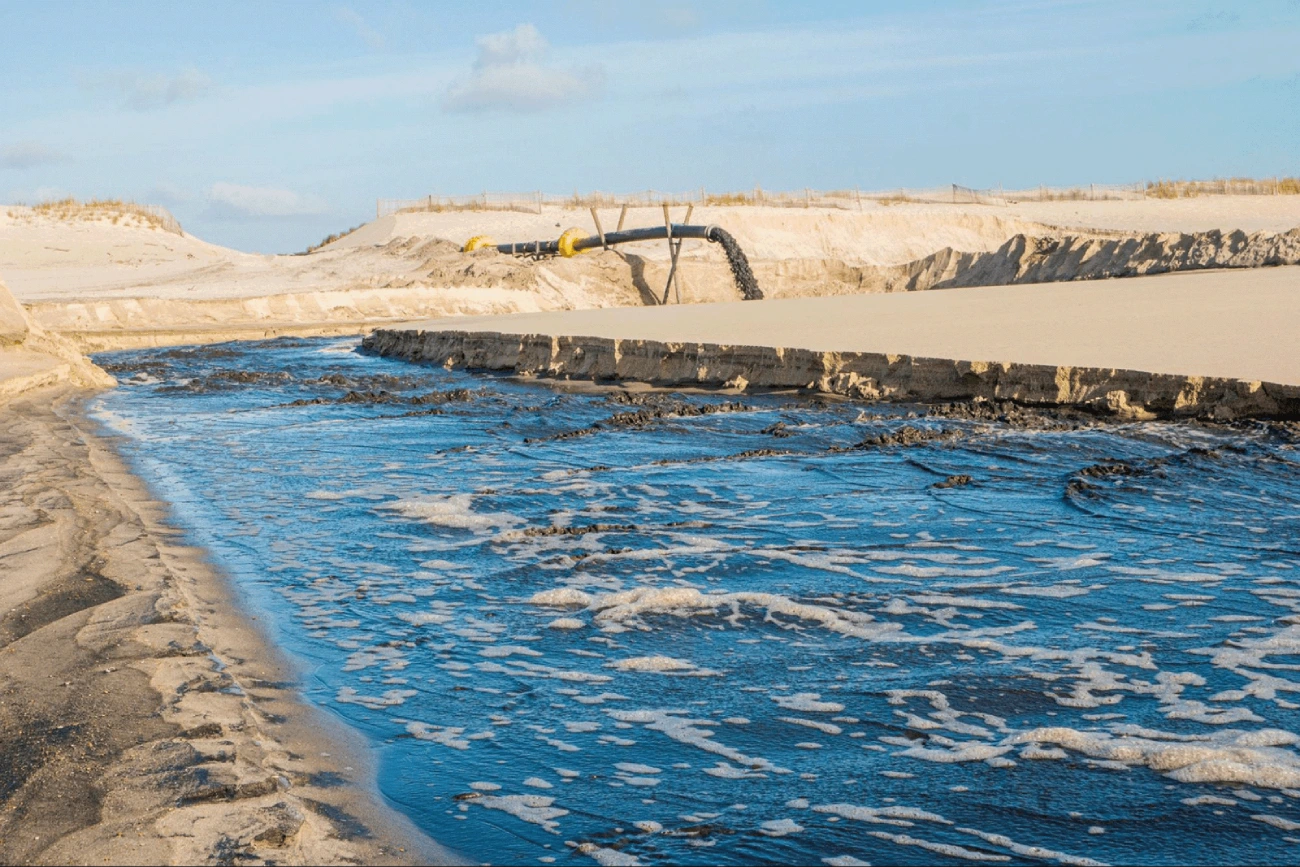



Virgin Excavated Natural Material (VENM) is clean, naturally occurring soil, rock, sand, clay, and similar materials excavated from the ground that have not been mixed with manufactured chemicals, contamination, or waste. VENM is a regulated waste classification used across Australia to support compliant reuse and disposal during construction and earthworks.
Virgin Excavated Natural Material (VENM) is natural material excavated from the earth—such as clay, gravel, sand, silt, and rock—that has not been processed, contaminated, or altered by human activity or industrial processes. To be classified as VENM, the material must be demonstrably free from contaminants including asbestos, fill material, hydrocarbons, heavy metals, and construction waste.
Correctly identifying and classifying VENM is essential for compliance with waste regulations, environmental protection requirements, and construction management obligations. Misclassification can lead to:
VENM plays a key role in:
All Australian jurisdictions provide strict criteria for determining VENM, including EPA Victoria, EPA NSW, QLD DEPW, SA EPA, and others. These criteria typically require both visual inspection and analytical testing where contamination risks exist.
Determining whether excavated material qualifies as VENM is required at several stages of construction, demolition, and remediation projects. Common triggers include:
Projects involving cut-and-fill, basement construction, trenching, or large civil works must classify excavated material before transport or reuse.
Material classified as VENM may be accepted at certain facilities or reused onsite/offsite without the need for managed waste tracking—provided it meets regulatory criteria.
Planning authorities may require VENM classification as part of environmental assessment or waste minimisation strategies.
Excavated soil near former industrial, commercial, or landfill sites must be assessed to confirm it is truly uncontaminated before being treated as VENM.
Discovery of odours, staining, asbestos fragments, or debris can automatically disqualify material from VENM classification and require further investigation.
Road, rail, and utility works frequently involve large volumes of excavated material requiring rapid and accurate classification.
Nova Group Pacific provides comprehensive assessment and testing to determine whether excavated materials meet VENM criteria, supporting compliant waste management and cost-efficient project delivery.
Our services include:
Explore related waste classification and soil management topics:
Whether you need site assessment, remediation, or environmental consulting, our expert team is here to guide your project from planning to completion with precision and care.
Whether you're early-stage or ready to build, this tool helps you work out what reports you need — and how to bundle them into a single site visit.
Fast. Free. Custom to your stage.


We provide sustainable contaminated land, remediation, and geotechnical consulting services across Australia.