





x

Dust Management & Dust Suppression in Byron Bay

In Byron Bay, Dust Management, Dust Suppression, and Dust Control are critical components of environmental management across various industries. These practices are vital for maintaining a clean, safe, and environmentally responsible Byron Bay-based workspace. Understanding when and how to implement them is essential for industries where dust can pose health and environmental risks.
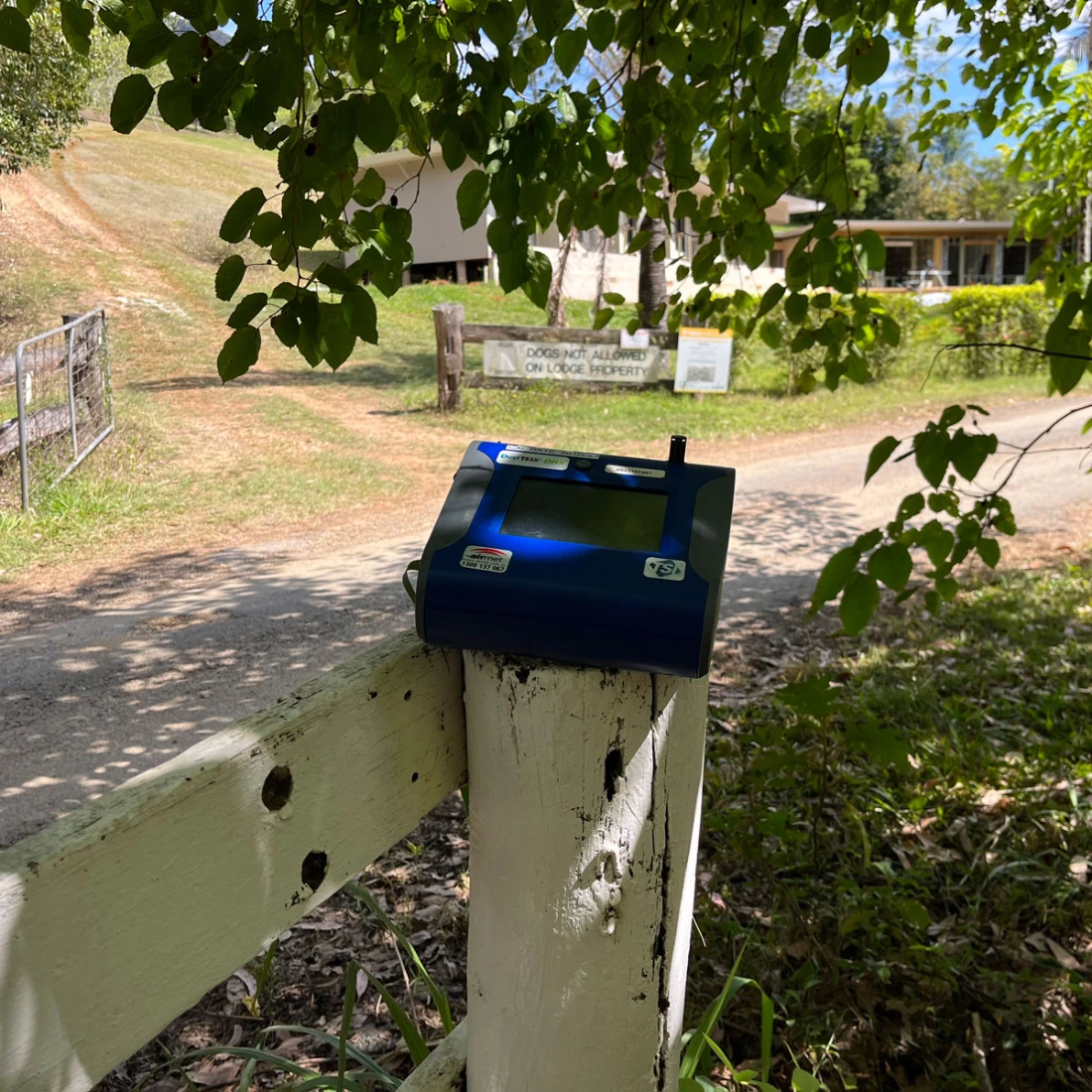
  • ‍Dust Management refers to the comprehensive strategy employed to identify, evaluate, and control dust-related issues within a given setting. This can encompass a range of activities, including dust source identification, monitoring, and mitigating measures. Effective dust management is not only about keeping your environment clean but also about complying with Byron Bay environmental regulations and protecting the well-being of your workforce.‍
  • Dust Suppression, on the other hand, is a subset of dust management. It involves the use of various techniques and technologies to reduce or eliminate dust generation at the source. This may include the use of water, chemicals, or specialised equipment to control dust particles. Dust suppression is often necessary in situations where dust poses immediate health or safety hazards.‍
  • Dust Control and Dust Mitigation are two similar terms often used interchangeably with dust management and suppression. They refer to the process of minimising the presence and impact of dust in an industrial or environmental context. Dust control measures can range from dust barriers and enclosures, to modified work practices aimed at reducing dust emissions.

When Is Dust Management and Dust Suppression Needed?

Dust management and suppression are essential across various industries and scenarios in Byron Bay. They play a vital role across construction sites, controlling the significant dust generated during activities like demolition and excavation. Road construction and vehicular traffic in urban Byron Bay areas also contribute to dust emissions, making dust suppression crucial for improved air quality and road safety. Furthermore, dust control practices benefit residential areas by enhancing overall quality of life through the reduction of allergens.

Implementing a Dust Management Plan in Byron Bay

A Dust Management Plan is a best practice for organisations that regularly deal with dust-related challenges. Construction sites, development projects, and demolition activities across the Byron Bay region will benefit greatly from a proactive approach, with a plan outlining strategies, methodologies, and a schedule for managing and suppressing dust within the workplace. Implementing a Dust Management Plan is an investment in both the sustainability of your operations and the well-being of your team and the surrounding community through:

  • Regulatory Compliance: Byron Bay construction, development, and demolition projects are subject to strict environmental regulations. Non-compliance can result in fines and project delays. A well-crafted dust management plan ensures that your operations align with these regulations, safeguarding your organisation from potential legal and financial consequences.
  • Air Quality Improvement: Dust particles generated during construction, excavation, and demolition activities can contain harmful substances. These particles can not only affect the health of workers but can also be carried by the wind, impacting nearby Byron Bay communities. A robust dust management plan helps mitigate these risks by implementing dust control measures that minimise the release of airborne contaminants.
  • Worker Safety: Dust-related respiratory problems are a significant concern in these industries. Implementing dust suppression measures, such as wetting down work areas or using dust control equipment, protects the health and safety of your workforce. It reduces the risk of conditions like silicosis and exacerbation of existing respiratory issues.
  • Productivity Enhancement: Effective dust management contributes to a more efficient workplace. When dust levels are kept in check, workers can perform their tasks without disruptions caused by dust-related hazards. This, in turn, boosts overall productivity and project timelines.

Our Approach

We understand the complex and nuanced nature of environmental contamination demands bespoke solutions. Regulations change over time and Raw Earth navigates these changes through new processes and an agile workflow. Our team brings a young, nimble perspective to client projects, with a proven track record of meeting client objectives quickly, cost-effectively and to regulation standards.

Get In Touch

Frequently Asked Questions about Dust Management & Dust Suppression

Heading

keyboard_arrow_down

A Construction and Environmental Management Plan (CEMP) is a comprehensive document designed to guide construction and development projects in minimising and mitigating their environmental impacts. It outlines strategies, protocols, and measures to ensure that construction activities are carried out in an environmentally responsible and sustainable manner. A CEMP acts as a proactive tool that aims to harmonise the needs of construction with environmental protection.

2. What is a CEMP in environment?

keyboard_arrow_down

A CEMP in the environmental context is a specialised plan tailored to construction and development projects taking place in sensitive or ecologically significant areas. It emphasises the preservation and protection of local ecosystems, wildlife, and the surrounding environment. Such CEMPs go beyond standard environmental compliance, addressing the unique challenges posed by the project's location. They incorporate measures to prevent habitat disruption, protect water bodies, whilst ensuring that the development occurs with the least harm to the natural surroundings.

3. What are the roles and responsibilities of CEMP?

keyboard_arrow_down

The roles and responsibilities within a CEMP encompass various stakeholders involved in the construction project. These may include the construction company, project managers, environmental consultants, and regulatory authorities. Key responsibilities include:

  • Construction Company: Required to implement and manage the CEMP, ensuring staff adherence, and providing necessary resources.
  • Project Managers: Supervising CEMP implementation, monitoring progress, and managing emergency responses.
  • Environmental Consultants: Conducting environmental risk assessments and helping in the formulation of mitigation strategies. Commonly the environmental consultant will develop the CEMP to the site requirements.
  • Regulatory Authorities: Reviewing and approving CEMPs, ensuring compliance with regulations and development approvals.

4. What is the objective of Construction Environmental Management Plan?

keyboard_arrow_down

The primary objective of a CEMP is to facilitate responsible and sustainable construction practices by minimising and mitigating the environmental impact of construction projects. It aims to strike a balance between human development and environmental preservation, ensuring that construction activities coexist harmoniously with nature. CEMPs aim to protect ecosystems, reduce pollution, safeguard public health, reduce disruption to the local community and foster a commitment to sustainability.

5. What should be included in a Construction Environmental Management Plan (CEMP)?

keyboard_arrow_down

A well-rounded CEMP typically includes:

  • An Environmental assessment and mitigation strategies.
  • Strategies for minimising noise, dust, and emissions.
  • Regulatory compliance and permit information.
  • Monitoring and reporting procedures.
  • Clear communication which outlines the roles and responsibilities of the project staff.
  • Procedures for engaging with stakeholders, including the local community.

Inclusion of these components ensures that the CEMP is a robust and adaptable document that guides the project towards its environmental goals and obligations.

No items found.