







Introduction:
Soil classification in NSW determines how excavated material can be transported, reused or disposed of. Without appropriate sampling and classification before excavation begins, projects can face costly delays, rejected waste loads, unexpected landfill charges and regulatory issues.
For developers, contractors and asset owners, soil classification is more than an environmental compliance exercise. It is a practical risk management tool that provides certainty before excavation starts. By understanding the quality of excavated material early, project teams can accurately budget disposal costs, schedule earthworks and avoid unnecessary disruptions once construction is underway.
Whether the project involves a commercial development, industrial site, infrastructure upgrade or brownfield redevelopment, a robust soil classification process helps ensure excavated material is managed safely and in accordance with NSW EPA requirements.
Why is soil classification required before excavation?
Soil classification identifies the environmental quality of excavated material so that it can be managed legally and efficiently.
In Australia, excavated soil cannot simply be transported to any landfill or reuse location without understanding its chemical and physical characteristics. Waste facilities require classification information to determine whether material is suitable for acceptance and under what conditions.
In NSW, EPA Waste Classification Guidelines establish the framework for classifying waste according to its environmental risk. These classifications influence where material can be disposed of, whether beneficial reuse is possible and the associated disposal costs.
Without reliable classification data, excavation programs often stop while additional sampling is arranged. Consequently, machinery, subcontractors and project schedules may all be affected.
How does the NSW waste classification process work?
The process involves collecting representative soil samples, laboratory testing and comparing the results against NSW EPA waste classification criteria.
Although every site differs, the process generally includes:
- Reviewing the site's environmental history
- Developing an appropriate sampling strategy
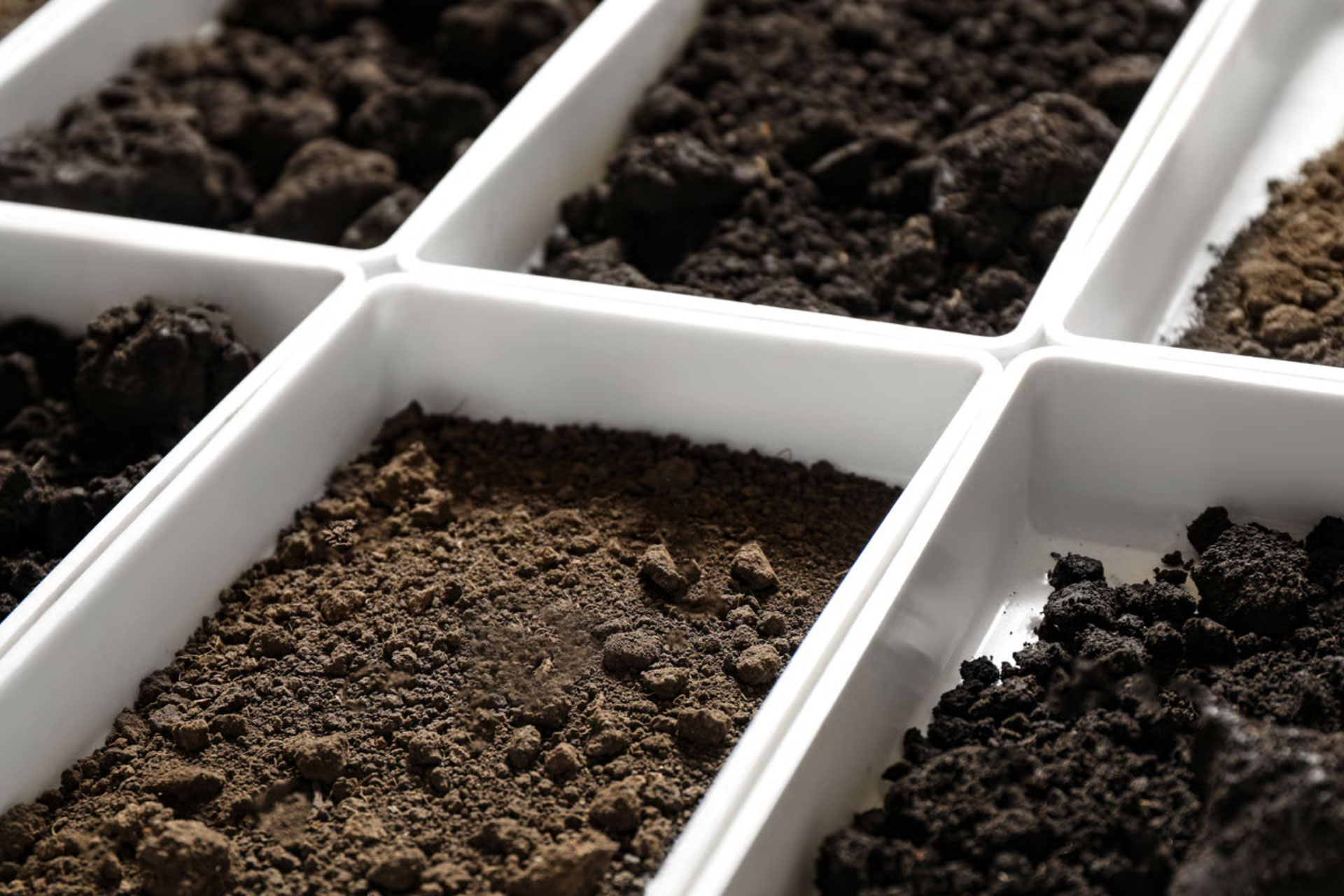
- Collecting representative soil samples
- Laboratory analysis for contaminants relevant to the site's history
- Interpreting analytical results against NSW EPA Waste Classification Guidelines
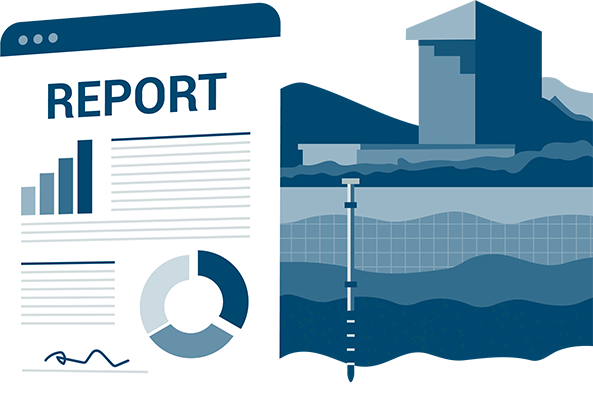
- Preparing a waste classification report for disposal facilities and project stakeholders
The selection of contaminants depends on previous land use. For example, former service stations may require assessment for petroleum hydrocarbons, while industrial properties may require metals, asbestos, volatile organic compounds or other contaminants.
Early planning is particularly valuable because laboratory turnaround times can affect excavation programs if testing is left until construction has already commenced.
Why are representative soil samples so important?
Accurate classification depends on representative sampling. Poor sampling can produce misleading results that increase project risk.
Sampling should reflect the volume, depth and variability of material proposed for excavation. If sampling is insufficient or unrepresentative, disposal facilities may reject the classification report or require further investigation.
A well-designed sampling program helps:
- Reduce uncertainty before excavation
- Improve confidence in disposal planning
- Minimise the likelihood of unexpected contamination discoveries
- Support accurate contractor pricing
- Reduce unnecessary disposal costs
Sampling strategies should also consider areas of known or suspected contamination identified through previous environmental investigations, including Preliminary Site Investigations, Detailed Site Investigations and Environmental Site Assessments where available.
How does soil classification reduce project costs?
Completing soil classification before excavation allows project teams to make informed decisions that reduce both direct and indirect costs.
One of the largest financial risks during excavation is uncertainty. When waste classification is unknown, contractors often allow significant contingencies within project pricing. Alternatively, unexpected contamination can require emergency sampling, revised transport arrangements or alternative disposal facilities.
By obtaining reliable classification data early, project teams can:
- Budget disposal costs with greater certainty
- Select appropriate waste facilities before excavation begins
- Avoid idle plant and labour during testing delays
- Reduce the risk of rejected waste loads
- Improve construction programming
In many cases, understanding the true classification of excavated material also identifies opportunities for lawful reuse rather than higher-cost disposal.
What happens if soil is not classified correctly?
Incorrect or incomplete soil classification can lead to regulatory, financial and operational consequences.
Waste facilities rely on accurate classification reports when accepting excavated material. If documentation is incomplete or laboratory results do not adequately represent the material delivered, loads may be rejected.
This can result in:
- Additional transport costs
- Excavation delays
- Repeat sampling and laboratory testing
- Increased landfill charges
- Contractual disputes
- Compliance issues under NSW environmental legislation
Furthermore, discovering contamination after excavation has commenced often requires immediate investigation, disrupting project sequencing and increasing overall project costs.
When should soil classification be completed?
The best time to undertake soil classification is during project planning, before excavation contracts are finalised.
Early investigation allows disposal pathways to be confirmed before construction begins. It also provides contractors with reliable information when pricing earthworks, reducing commercial uncertainty throughout the project.
For complex developments involving contaminated land, soil classification is often integrated with broader environmental investigations and remediation planning. This coordinated approach supports more efficient project delivery while reducing environmental and commercial risk.
Conclusion
Soil classification is a fundamental component of successful excavation projects in NSW. By understanding the environmental quality of excavated material before construction begins, project teams can minimise disposal delays, accurately forecast costs and maintain compliance with NSW EPA requirements.
Rather than being viewed solely as a regulatory requirement, soil classification should be considered an essential risk management process that supports safer, more efficient and more predictable project delivery.
Contact Nova Group Pacific
If your project involves excavation, contaminated land or waste disposal planning, we can provide reliable soil sampling, waste classification and environmental consulting services that support compliant and efficient project delivery.
Our team works with developers, contractors, government agencies and industrial clients to deliver practical advice backed by robust environmental investigation.
Contact us to discuss your project or learn more about our Soil & Waste Classifications, Site Assessments & Remediation, and contaminated land consulting services.